
Installation of Mobile Toilets in Dormitories
The installation of mobile toilets in dormitories should be carefully selected based on actual needs and site characteristics. Formal mobile toilets are suitable for specific scenarios, while formalistic cases have many drawbacks.
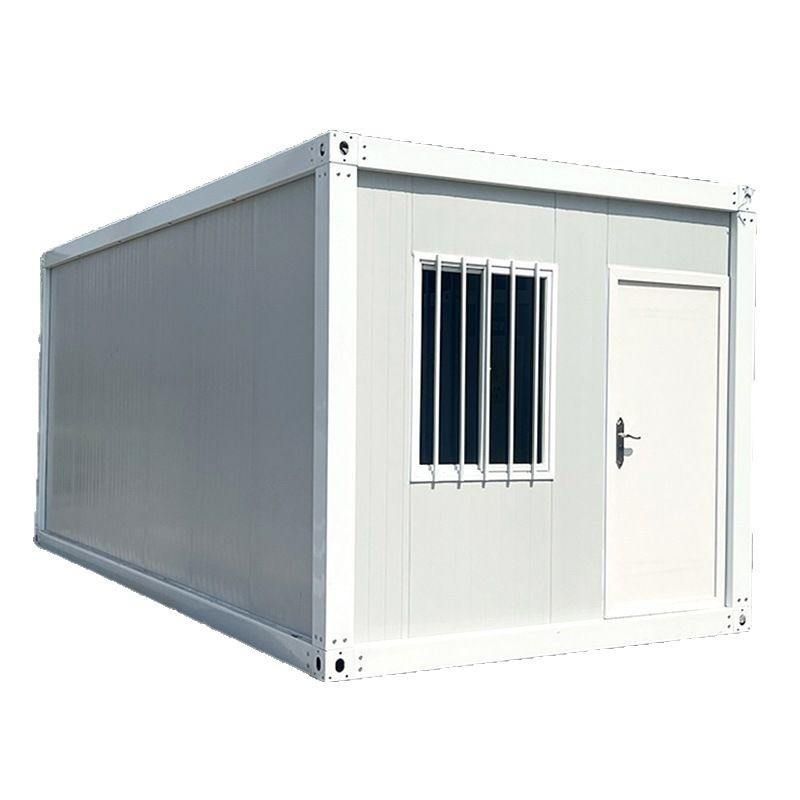
Characteristics and Suitable Scenarios of Formal Mobile Toilets
Formal mobile toilets typically consist of components such as fecal sewage storage tanks (or fecal sewage treatment devices), floor slabs, sanitary ware, walls, washing equipment, water tanks, roofs, and mobile devices. They can be classified into various types based on structural form, mobility method, and sewage treatment method. These mobile toilets have significant advantages, being movable, combinable, and easy to transport, which allows them to flexibly adapt to the needs of various temporary or specific sites. They are mainly suitable for places with high personnel turnover and temporary demands for sanitary facilities, such as stations, docks, tourist attractions, and large construction sites. In these locations, mobile toilets can be quickly set up and dismantled to meet the toilet needs of a large number of people. At the same time, their sewage treatment devices can effectively handle fecal sewage, reducing environmental pollution.
Problems with Formalistic Mobile Toilets in Dormitories
However, there are also some formalistic cases of mobile toilets in dormitories. For example, a school claimed to have independent bathrooms to enhance the accommodation experience but actually installed squat toilets in a corner of the dormitory enclosed by iron sheets. This so-called "mobile toilet" has many problems. Privacy cannot be guaranteed. The iron sheets around it are hollow at the bottom, leaving users with no privacy when using the toilet or taking a shower. Indoor dryness is a prominent issue. It cannot block shower water, resulting in long-term dampness on the dormitory floor, which easily breeds bacteria and mold, affecting the health of residents. Odor and noise problems are severe. It cannot effectively isolate the odor of feces and the sounds made during toilet use, causing great distress to other people in the dormitory. This approach is typically "indicator-oriented" rather than "demand-oriented", not truly starting from the actual needs of students but rather taking unreasonable measures just to meet certain indicators or for superficial improvements.
Therefore, when considering the installation of mobile toilets in dormitories, it is necessary to fully evaluate actual needs and site conditions, avoid blindly following trends or engaging in formalism, and choose a truly suitable solution.



