Dormitory Container Modular Housing for Athletes
During the 2026 Nagoya Asian Games, container-style dormitories were used as temporary housing for athletes, presenting issues in terms of space, facilities, and environment, but receiving relatively positive feedback on food services.

I. Basic Information
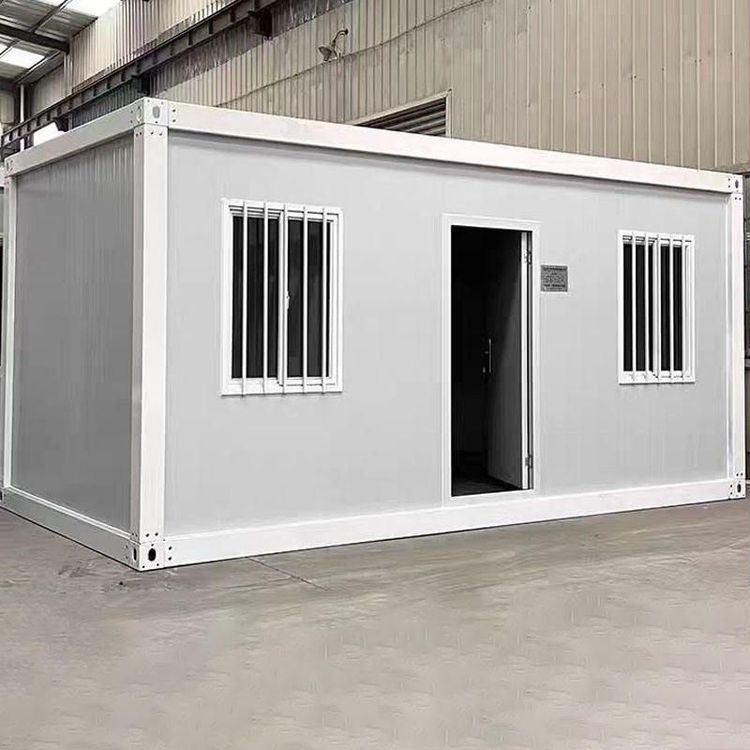
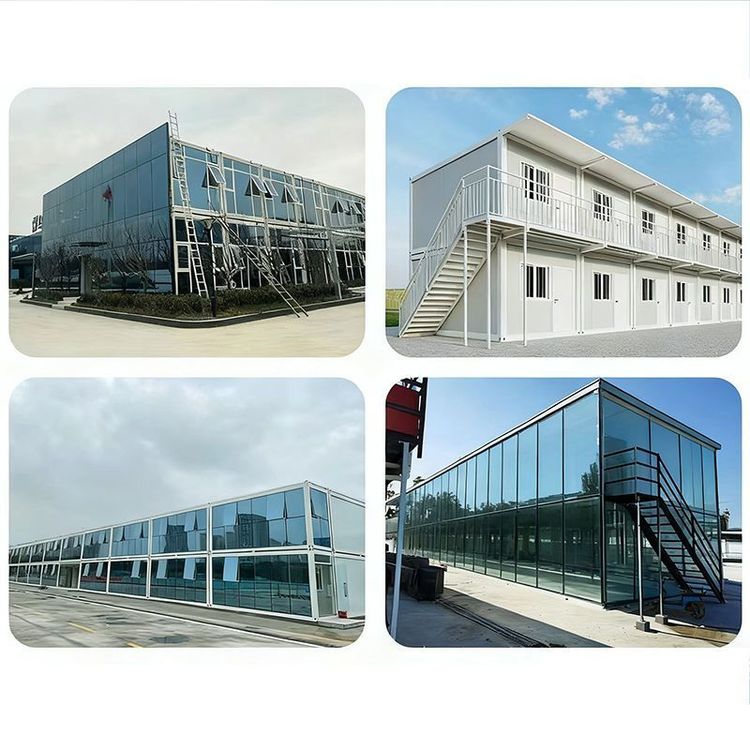
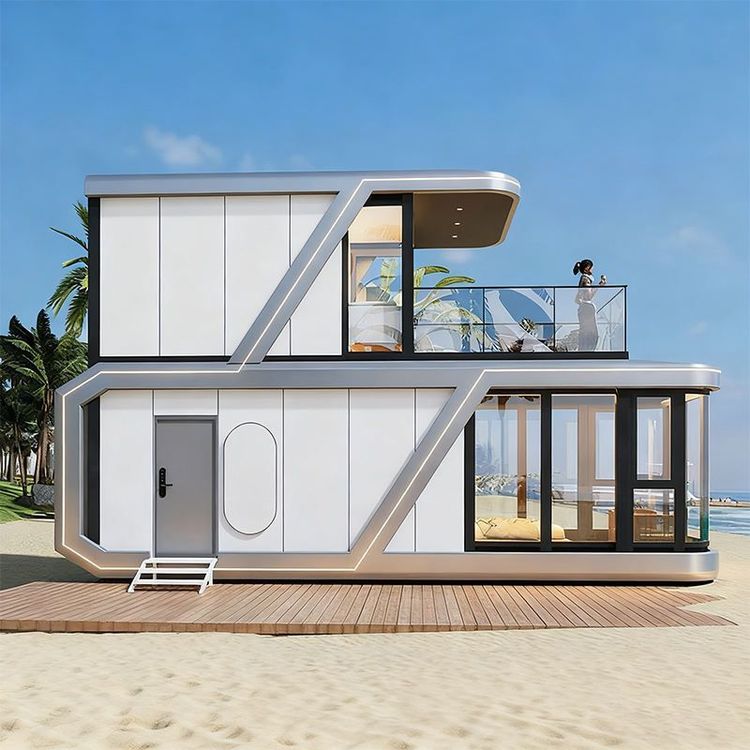
To reduce costs, the 2026 Nagoya Asian Games did not build a traditional athletes' village. Instead, it set up the "Garden Pier Modular Temporary Housing" at Nagoya Port Pier, consisting of 400 units that could accommodate up to 2,400 people. These accommodations were converted from shipping containers, and teams such as the Chinese women's basketball team and the South Korean men's basketball team stayed in these dormitories.
II. Living Issues
- Cramped Space: The interior space of the rooms was limited. The Chinese women's basketball team shared a room with three people, and even with an extended bed bench for an exceptionally tall player like Zhang Ziyu (2.23 meters tall), daily movements such as turning around and getting out of bed were restricted due to insufficient space. South Korean men's basketball players also reported that Lee Hyun-Jung, who is 2.02 meters tall, found the bed length of about 1.95 meters unfriendly to tall athletes.
- Facility Failures: Leaking sinks were a common problem. The sink in the Chinese women's basketball team's room leaked, and a video uploaded by South Korean men's basketball guard Byun Jun-hyung showed continuous leakage under the sink in his bathroom, with water pooling on the floor, affecting the living experience.
- Uncomfortable Environment: The heat-absorbing nature of the container material made the interiors stuffy, especially during summer or when exposed to direct sunlight, making temperature regulation difficult and further reducing living comfort.
III. Food Evaluation
Despite the shortcomings in living conditions, the food services in the container dormitories received relatively positive feedback. The menu offered a variety of dishes, including local specialties such as tempura, sushi, and udon noodles, which were well-received by the athletes and became one of the few highlights.
IV. Design Background and Purpose
The original intention behind designing these container dormitories was to reduce costs by replacing traditional athletes' villages with modular temporary housing, reflecting the event organizers' consideration of resource utilization. However, the space, facility, and environmental issues that emerged during actual use highlighted the limitations of temporary housing in meeting the special needs of athletes, such as height and comfort.