
Dongying Mobile Toilet Production Process
The production process of mobile toilets in Dongying covers six core aspects: material selection, modular assembly, internal facility installation, surface treatment, integration of environmental protection systems, and functional verification. The specific process is as follows:
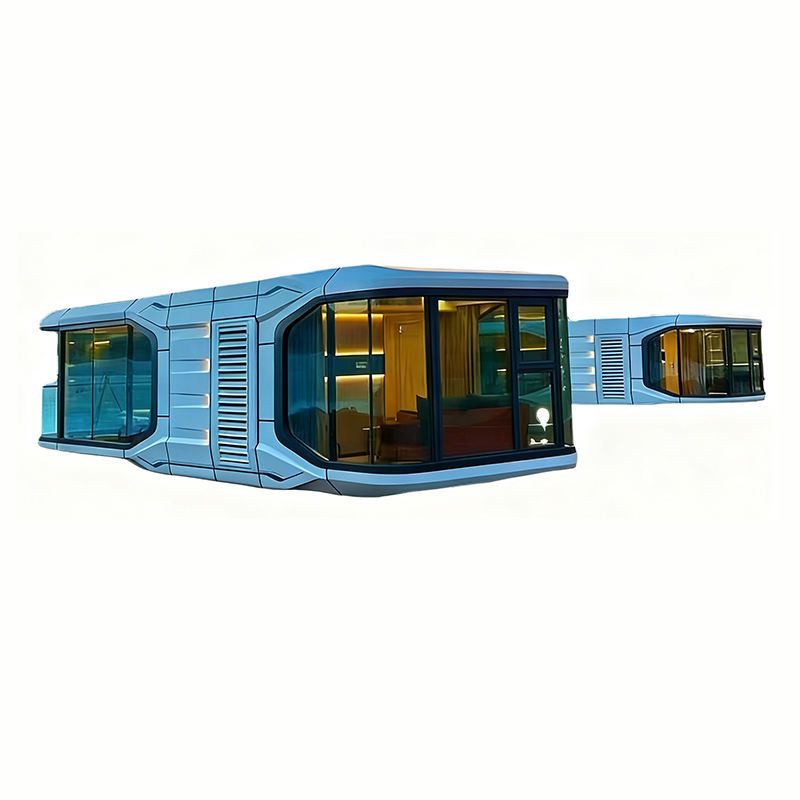
1. Material Selection and Preprocessing
The main materials include fiberglass-reinforced plastic (FRP), stainless steel, and metal embossed panels. FRP is laminated with resin and glass fibers, with polyurethane foam material filled inside for thermal insulation. Stainless steel sheets undergo surface passivation treatment to enhance resistance to chemical corrosion. Metal embossed panels use galvanized steel sheets as the base material, which are formed into three-dimensional patterns through embossing equipment and then combined with polyurethane cores. In the preprocessing stage, CNC plasma cutting machines are used to divide the sheets into wall modules, with cutting accuracy controlled within ±0.5 millimeters. Bending is performed using hydraulic bending machines to ensure precise module dimensions.
2. Modular Assembly
A production line approach is adopted, with the floor assembly entering the assembly station first. Non-slip aluminum plates and moisture-proof pads are bonded using structural adhesive. Wall modules are connected to the floor using specialized clips, with polyurethane foam sealant injected at the joints for sealing and reinforcement. The piping system is pre-embedded within the wall cavities, utilizing a same-floor drainage design to reduce clogging risks. Ventilation ducts are hidden within the ceiling cavity, equipped with backflow preventers to stop odors from returning and ensure efficient air circulation.
3. Internal Facility Installation
Following the principle of functional zoning, washbasins are made of one-piece ceramic bowls and fixed to stainless steel brackets using mechanical clips. Toilets are installed differently based on their types: water-saving direct-flush toilets require precise calibration of the drainage pipe slope, while composting toilets need the installation of biological decomposition chambers and ventilation devices. Wiring for the intelligent control system is laid along pre-embedded conduits, with human body sensors and lighting systems integrated onto a unified circuit board for automated control.
4. Surface Treatment
Metal surfaces undergo a six-step spraying process: degreasing and phosphating to remove surface impurities, epoxy primer to enhance adhesion, electrophoretic coating to improve corrosion resistance, and fluorocarbon topcoat for enhanced weather resistance. Internal walls are treated with antibacterial coatings, with silver ion-added paint inhibiting microbial growth. All joints are sealed with silicone sealant for secondary waterproofing, ensuring long-term leak-free use.
5. Integration of Environmental Protection Systems
Mainstream technologies include microbial decomposition, chemical coagulation, and vacuum collection: microbial decomposition units are equipped with a constant-temperature stirring system to maintain the active temperature of thermophilic bacteria for organic matter decomposition. Chemical coagulation systems use biodegradable gel materials to convert liquid waste into a solid state. Vacuum collection systems rely on negative pressure pipelines for transportation, consuming only 10% of the water used by traditional flush toilets, significantly reducing water consumption.
6. Functional Verification and Environmental Efficiency Assessment
Complete units undergo simulated use testing before leaving the factory, with evaluation items including water seal airtightness, flushing efficiency, anti-clogging capability of the sewage system, stability of the electrical system, and overall structural strength, ensuring the product meets environmental protection and usage standards.



