Does Xinjiang Need to Buy Mobile Toilets?
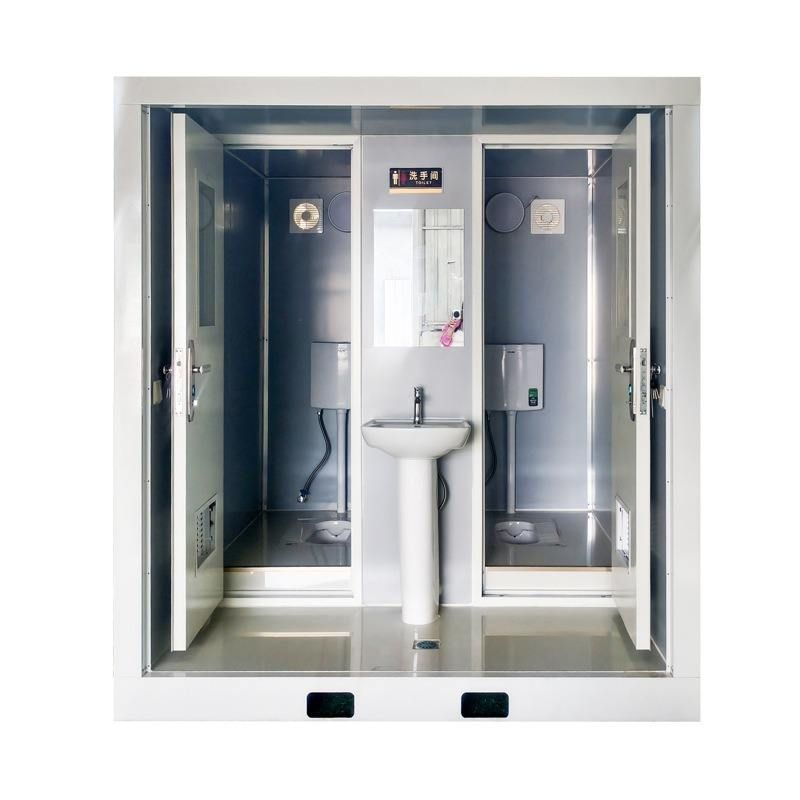
Xinjiang needs to purchase mobile toilets. With its vast territory, complex geographical and climatic conditions, and uneven population distribution, Xinjiang has a significant demand for mobile toilets, for the following reasons:
I. Insufficient Coverage of Fixed Public Sanitation Facilities
In some areas of Xinjiang, especially remote villages, Gobi deserts, and high-altitude regions, the construction costs of traditional fixed public toilets are high and maintenance is difficult due to natural conditions, resulting in low coverage of sanitation facilities. Mobile toilets, with their mobility and rapid deployment capabilities, can effectively fill the gaps left by fixed facilities, providing basic sanitation services for local residents and passersby. For example, along major transportation routes or in remote construction areas, mobile toilets can be flexibly adjusted according to demand, avoiding resource waste caused by redundant construction.
II. Temporary Demand Driven by Tourism Development
Xinjiang is rich in tourism resources, with scenic spots widely distributed and experiencing significant seasonal fluctuations in tourist numbers. During the peak tourist season, popular attractions such as Kanas and Tianshan Tianchi often face a surge in visitors, making it difficult for fixed public toilets to meet instantaneous demand. Mobile toilets can quickly respond to changes in tourist flow, alleviating peak-period toilet pressure through modular combinations or temporary additions. Additionally, their independent water and electricity circulation systems (such as waterless packing types and microbial degradation types) can adapt to environments in scenic spots with water shortages or without sewage pipelines, reducing ecological disturbance.
III. Supporting Demand for Seasonal Production Activities
Seasonal production activities in Xinjiang, such as cotton picking and pastoral area migrations, result in short-term population concentrations. Mobile toilets can serve as temporary sanitation solutions, moving with production teams to avoid health issues caused by inadequate sanitation conditions. For example, in oilfield operation areas on the edge of the Taklimakan Desert, mobile toilets can accompany exploration teams deep into uninhabited areas, ensuring basic living needs for workers.
IV. Essential Facilities for Large-Scale Events and Emergency Scenarios
Xinjiang frequently hosts large-scale festivals (such as the Naadam Festival and Grape Festival) or sports events, where mobile toilets can quickly establish temporary sanitation networks to meet the concentrated usage needs of tens of thousands of people in a short period. Meanwhile, after natural disasters such as earthquakes and floods, mobile toilets can serve as emergency relief supplies, providing pollution-free and easy-to-maintain sanitation facilities for disaster areas and aiding in post-disaster reconstruction.
In conclusion, through their flexibility, adaptability, and functionality, mobile toilets have become an important tool for improving Xinjiang's public sanitation system and supporting economic and social development, with their demand expected to continue growing.