Does a Container House Need Drying?
Whether a container house needs drying depends on its usage environment, material properties, and internal treatment. Generally, there is no need for deliberate drying, but ventilation and dehumidification should be noted in specific scenarios.
1. Material Properties Determine Basic Moisture Resistance
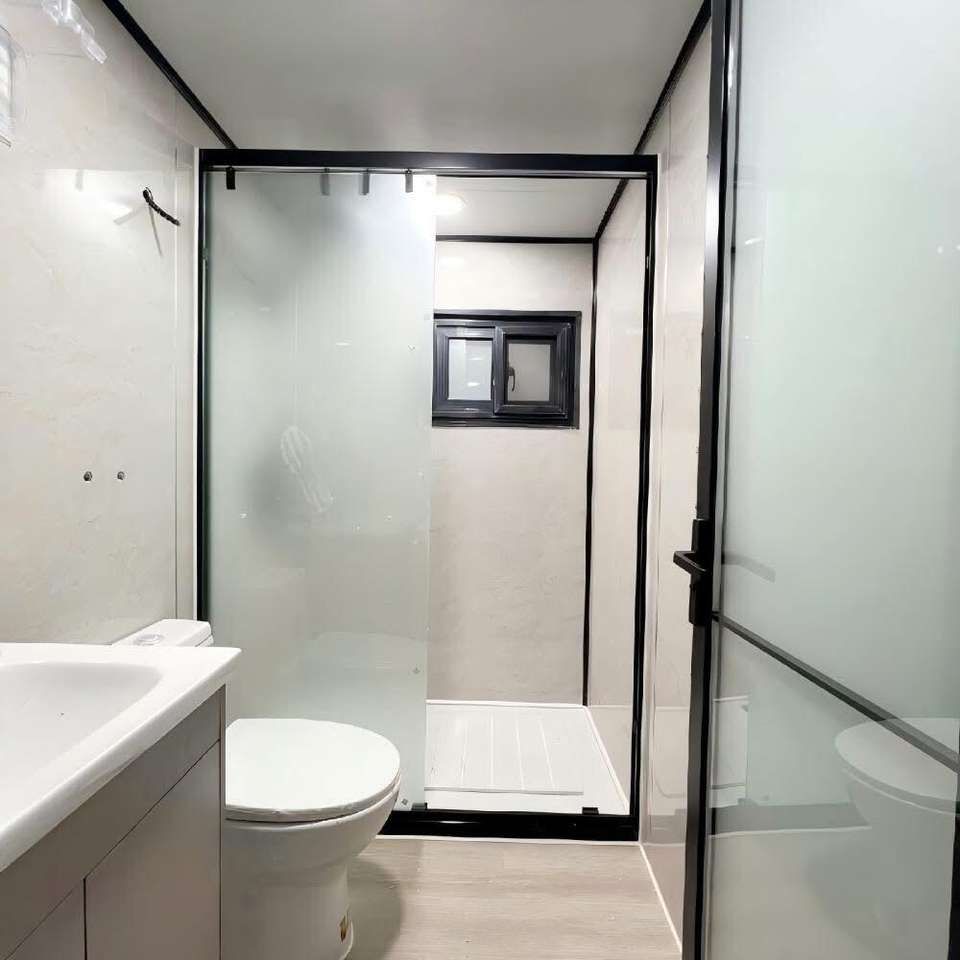
The main structure of a container house is a steel frame, and the outer shell is often made of weather-resistant steel or anti-corrosion color-coated steel plates, which inherently possess rust and water resistance. The interior walls commonly use insulation materials such as polyurethane sandwich panels and rock wool boards, covered with fire-resistant gypsum boards or metal plates, forming a multi-layer protective structure. The national 'Technical Standard for Steel Structure Integrated Houses' requires that the heat transfer coefficient of the walls of residential container houses be ≤0.45W/(㎡·K), which is 1.8 times the insulation efficiency of traditional brick-and-mortar walls. This design effectively blocks the penetration of external moisture and reduces the risk of internal dampness from a material perspective.
2. Usage Environment Affects Drying Needs
- Dry Environment: In arid regions such as deserts and plateaus, the internal humidity of container houses is low, and there is almost no need for drying. Their metal shells can even accelerate the evaporation of internal moisture through heat conduction, maintaining a dry state.
- Humid Environment: If the container house is located in coastal or rainy areas for a long time, or if the ground foundation drainage is poor, it may lead to internal condensation or water seepage. In this case, active dehumidification methods such as adding ventilation openings and installing dehumidification equipment should be used instead of relying solely on drying. For example, a double-story container café in Moganshan effectively avoids the accumulation of ground moisture through a bottom ventilation slot design.
3. The Importance of Internal Treatment and Maintenance
- Thermal Insulation Layer and Sealing: High-quality container houses add thermal insulation layers (such as polystyrene boards and polyurethane foam layers) to the exterior walls and use details such as double-glazed windows and sealing strips to further reduce thermal bridge effects and air infiltration. Actual measurements show that the temperature inside the cabin rises 22 minutes slower than outside in summer, and the indoor temperature only drops by 1.3℃ after being closed for 8 hours in winter. This stability reduces the risk of condensation caused by temperature differences.
- Regular Inspection and Maintenance: Even with excellent material performance, it is still necessary to inspect the joints, water tightness, and drainage systems after long-term use. For example, Qinghai Guangzan Light Steel recommends professional maintenance every 1-2 years, including painting for rust prevention and replacing aging sealing strips, to ensure the long-term dryness of the house structure.
4. Drying Suggestions for Special Scenarios
If the container house is used for temporary storage or in scenarios that are not completely enclosed (such as construction site dormitories), and flammable and moisture-absorbing items (such as textiles and wood) are stored inside, it is recommended to briefly open the windows for ventilation after the rainy season or use industrial fans to accelerate air circulation. However, prolonged exposure to sunlight should be avoided to prevent excessive internal temperatures from affecting the lifespan of the materials.