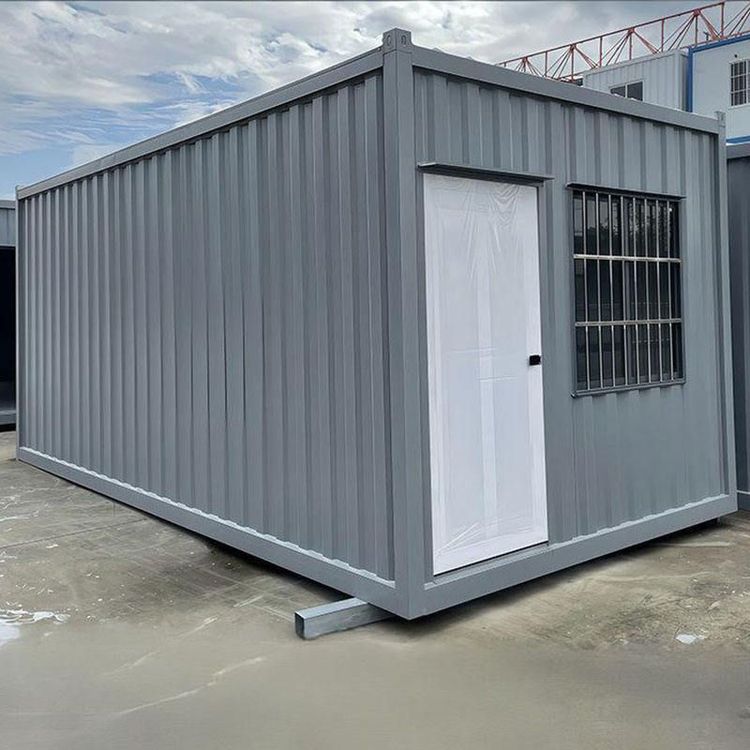
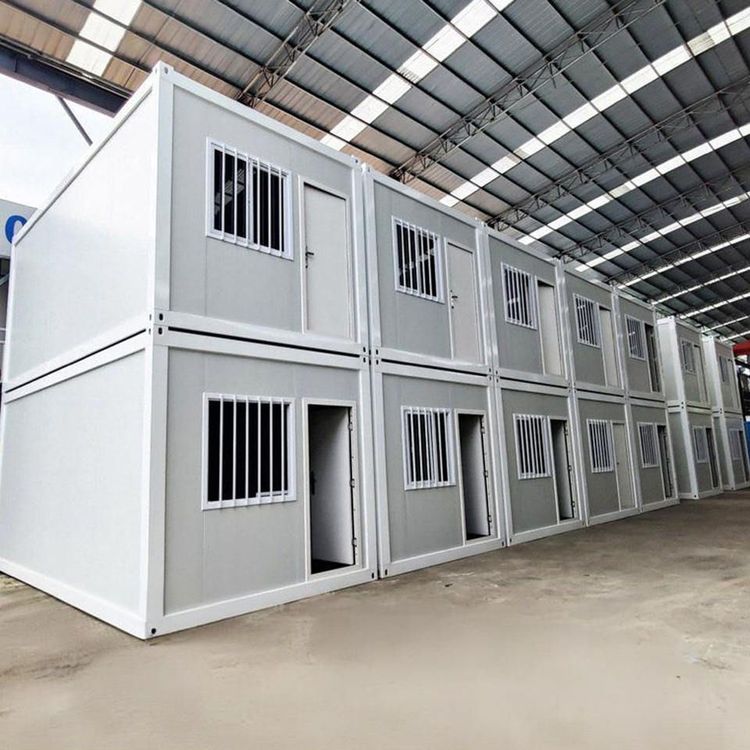
Do Termites Eat Container Houses?
The main materials of container houses are generally not eaten by termites, but if wood or cellulose-containing materials are used inside, they may still attract termites. Here is a detailed analysis:

Termites have highly specialized feeding habits. Their digestive systems rely on symbiotic microorganisms to break down cellulose, so materials containing cellulose, such as wood, paper, and cotton-linen, are their main food sources. The main structures of container houses are usually made of metal (such as steel and aluminum) or plastic. These materials do not contain cellulose and cannot provide nutrition for termites, so termites will not actively gnaw on the metal or plastic shells of containers.
However, container houses may still become targets of termite infestation under the following circumstances:
- Wooden structures or decorations: If wood (such as floors, partitions, and furniture) or cellulose-containing decorative materials (such as wallpapers, cardboard boxes, and cotton curtains) are used inside the house, termites will bore into these parts through gaps or concealed areas.
- Suitable environmental conditions: Termites prefer warm and humid environments. If the interior of a container house has poor ventilation, excessive humidity, or water leakage problems, it may attract termites to build nests.
- External invasion routes: Termites may invade the interior of containers from the outside through soil, pipes, or wood contact points (such as untreated wooden pile supports).
Prevention recommendations:
- Material selection: Avoid using untreated wood or cellulose-containing materials inside containers. Prioritize termite-resistant materials such as metal, glass, and tiles.
- Environmental control: Keep the interior of the house dry. Regularly inspect the drainage system to avoid water accumulation. Use dehumidification equipment to reduce humidity.
- Regular inspections: Focus on inspecting concealed areas such as corners, gaps, and around pipes for signs of termite activity (such as mud tubes, termite trails, and feces).
- Physical isolation: If the container needs to be in contact with the soil, lay termite barriers (such as metal mesh or concrete bases) at the bottom to block termite invasion routes.
By implementing scientific prevention measures, the risk of termite infestation in container houses can be effectively reduced.