
Do Container Mobile Houses Leak?
Container mobile houses generally do not leak under normal circumstances, as their waterproof performance is ensured through multiple design aspects.
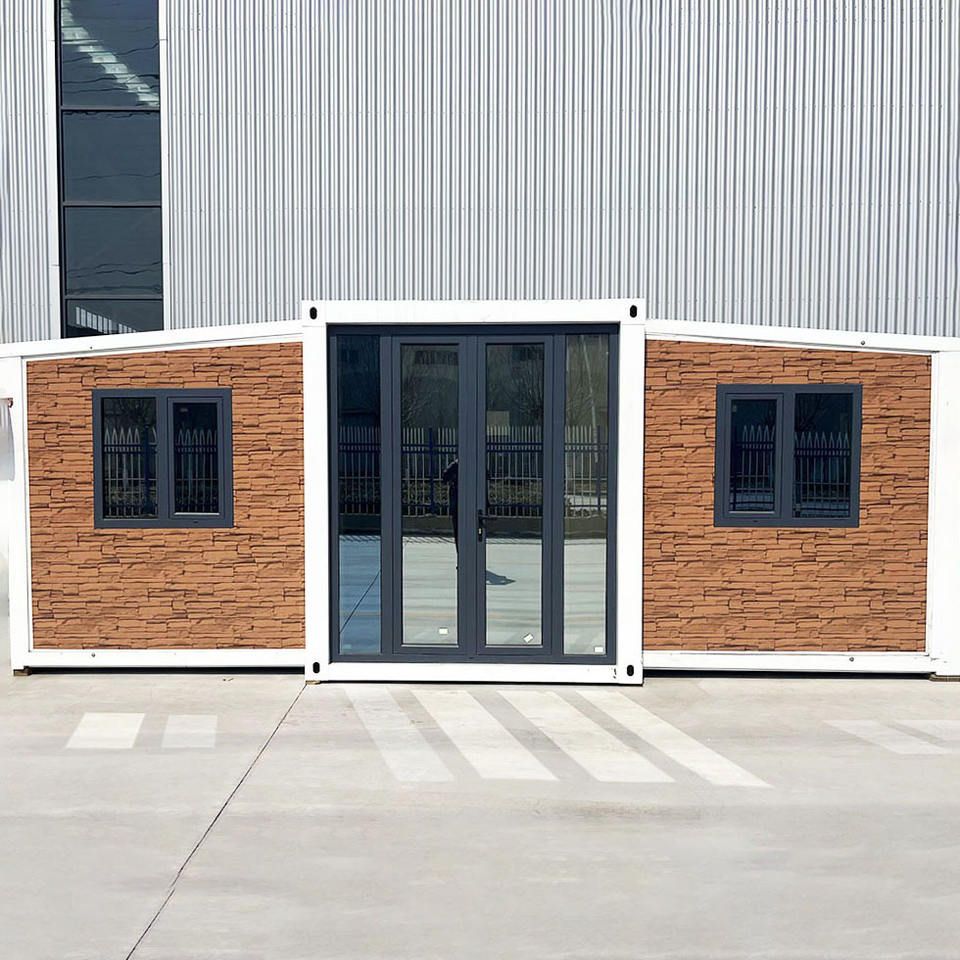
1. Main Structure and Material Characteristics
The main frame of container mobile houses is constructed from high-strength steel, which inherently possesses corrosion resistance and deformation resistance, providing a fundamental guarantee for waterproof performance. The sealing property of steel is superior to that of traditional building materials, effectively reducing the possibility of rainwater penetration. Additionally, the uniformity and stability of steel ensure that the house is less likely to develop enlarged gaps due to structural deformation over long-term use, thereby lowering the risk of leakage.
2. Jointing Process and Sealing Technology
The jointing process of container houses is a crucial aspect of their waterproof performance. They employ a dual-sealing technology consisting of sealing strips and high-strength bolts: sealing strips are filled into the joint gaps, forming a flexible waterproof layer that can accommodate slight structural deformations; high-strength bolts ensure tight connections at interfaces through mechanical fixation. This combined design effectively prevents rainwater from infiltrating through the joints, maintaining sealing even in heavy rain or strong wind conditions.
3. Specialized Waterproof Design
For different types of container houses, waterproof design is further refined:
- Foldable Container Houses: Waterproof membranes or coatings are laid on the roof and walls, forming a continuous waterproof barrier; the roof is designed with a drainage slope, cooperating with drainage pipes to quickly channel rainwater; interfaces are sealed with both sealing strips and structural adhesive to ensure waterproofing at foldable parts.
- Box-type Portable Packing Container Houses: The top is designed with drainage channels and downspouts, forming a complete drainage system; structural adhesive sealing covers all joint seams and fixing points, and a moisture-proof membrane is adhered to the interior walls to prevent condensation water penetration.
4. Technological Upgrades and Quality Control
Taking the Shanghai market as an example, compliant container mobile houses have addressed issues such as large joint gaps and rainy-season leakage in traditional containers through technological upgrades. Leading manufacturers control production precision within 5 millimeters, reducing the risk of leakage caused by processing errors; the product pass rate has increased to 94.2%, indicating that the overall waterproof performance of the industry has reached a high level. Leakage issues often stem from process defects such as inadequate sealing of structural adhesive or improper adhesion of moisture-proof membranes, rather than design flaws.
In conclusion, the waterproof performance of container mobile houses is achieved through multiple guarantees of structure, materials, processes, and quality inspection, eliminating the need to worry about leakage under normal use.



