
Do Container Houses Need to Be Filed for Record?
Whether container houses need to be filed for record depends on their purpose and placement location, with some cases requiring filing.
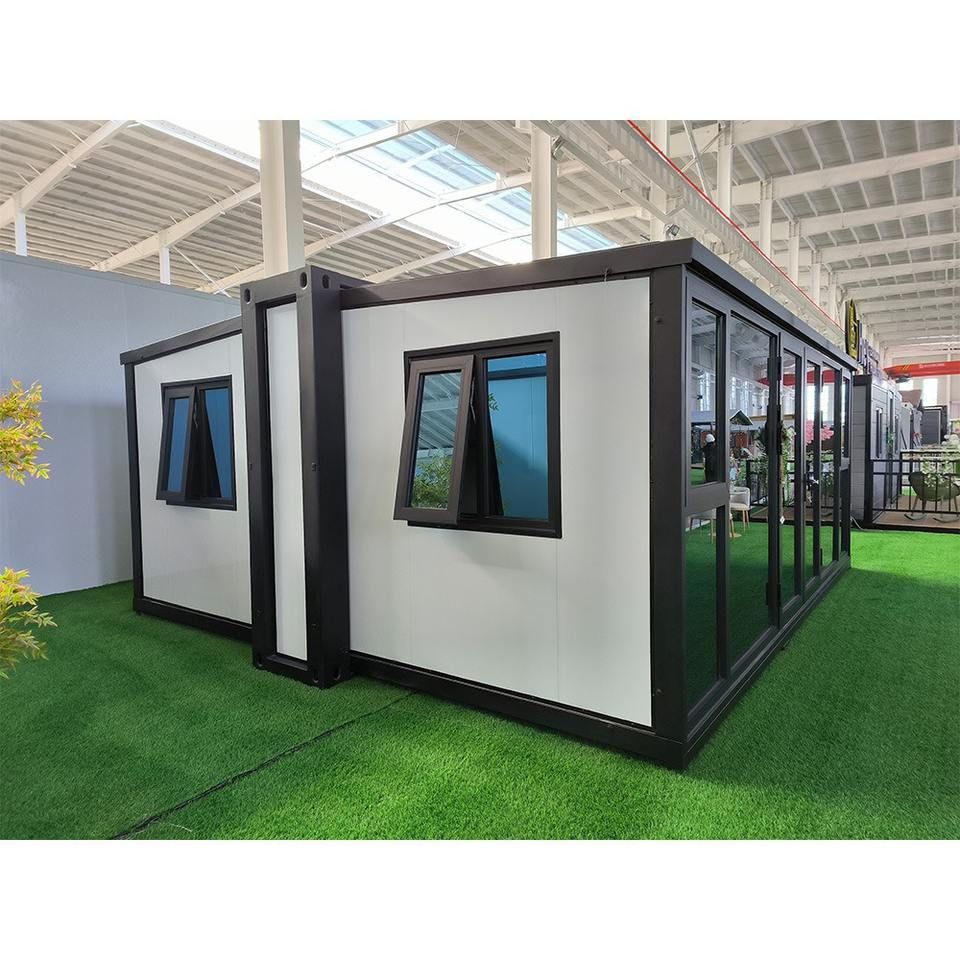
If container houses are used to provide temporary accommodation and occupy public spaces or involve business transactions, they should be considered within the scope of buildings. In such cases, they typically need to undergo corresponding approval processes to ensure their legality and safety. This is because temporary accommodation involves multiple factors such as the safety of occupants, public health, and urban planning, necessitating strict management and supervision.
When container houses are placed on construction land or agricultural facility land, the filing requirements are clearer. If used for agricultural facility purposes, they must be filed in accordance with relevant regulations. This is because agricultural facility land has specific usage norms and management requirements, and filing ensures that the use of container houses meets the needs of agricultural production while avoiding unnecessary waste or damage to land resources. When it comes to converting agricultural land into construction land, the situation becomes more complex, requiring approval for the conversion of agricultural land. This process aims to protect arable land resources, ensure the rationality and sustainability of land use, and prevent the indiscriminate occupation of agricultural land for non-agricultural construction.
Furthermore, even if container houses are not used for residential or agricultural purposes but are merely temporarily stacked, they still legally require permits or filing. This is because temporary stacking may impact the surrounding environment, traffic, and public safety. Through permit or filing systems, relevant departments can regulate and manage stacking behavior to ensure it does not harm public interests.
In summary, whether container houses need to be filed for record cannot be generalized but should be judged based on their specific purpose and placement location. When it comes to public safety, land resource utilization, and urban planning, filing is an important means to ensure legality and compliance.



