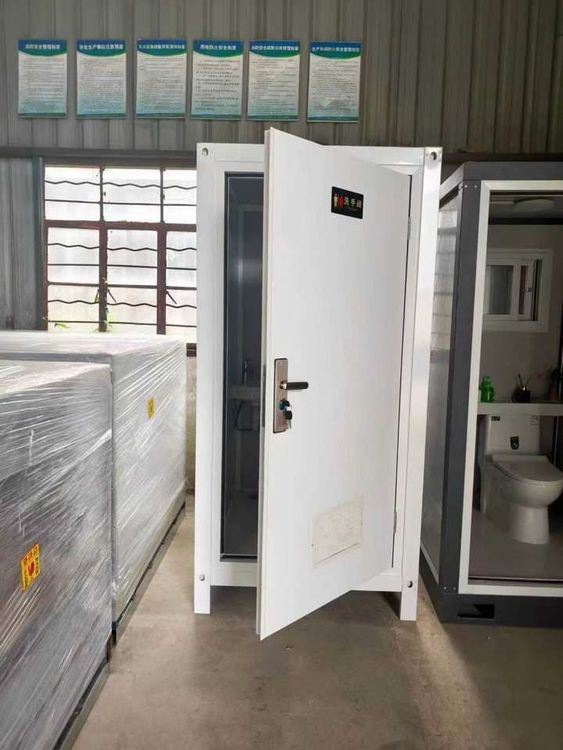
Do Container Houses Leak Now?
Container houses may indeed experience water leakage during use, but this can be effectively avoided through proper selection and maintenance. The following provides a popular science explanation from three aspects: the causes of water leakage, relevant cases, and preventive measures.
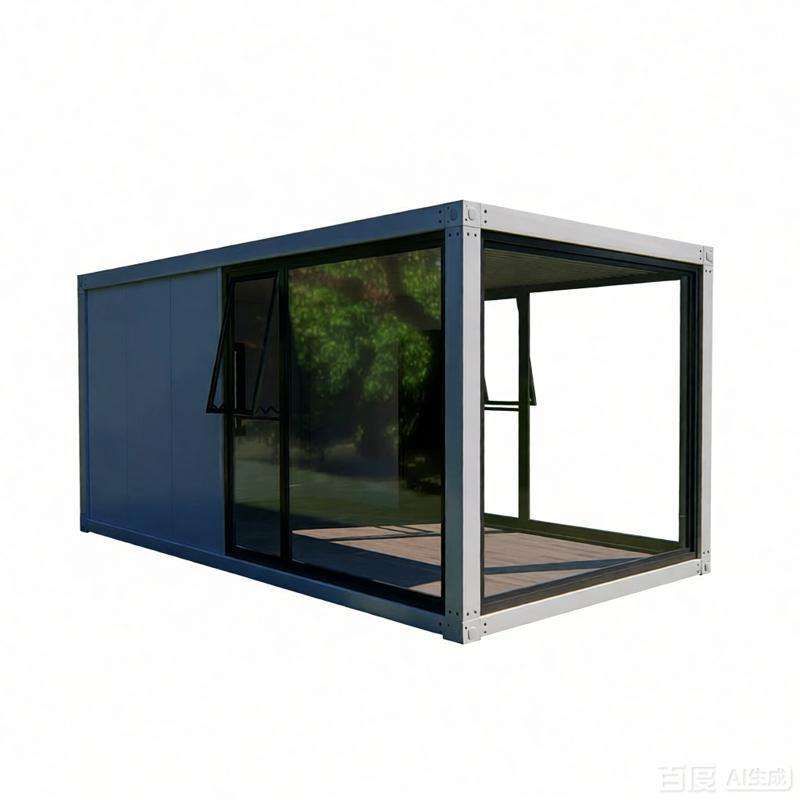
Relationship between Water Leakage Causes and Extreme Conditions
The waterproof performance of container houses is influenced by a combination of design, material, and environmental factors. Their structures are made of metal materials. If the welding joints are not sealed tightly or the sealant ages after long-term use, leakage channels may form. In addition, extreme weather is an important trigger for water leakage. For example, on September 8, 2026, a wooden container house in the Minato Ward of Nagoya City leaked during a heavy rain, leading to the emergency evacuation of about 400 people. During this incident, the hourly rainfall reached 104.5 millimeters, far exceeding the rainproof standard set by Japan's Ministry of Land, Infrastructure, Transport and Tourism for temporary buildings (the maximum hourly rainstorm resistance capacity should be no less than 80 millimeters). At the same time, the container accommodation area was located in a low-lying area near the port, and poor drainage exacerbated the water accumulation pressure, further breaking through the waterproof limit. This shows that the risk of water leakage in container houses significantly increases under extreme rainfall or unfavorable terrain conditions that exceed design standards.
Preventive Measures and Maintenance Points
To reduce the probability of water leakage, comprehensive interventions are required in terms of design, construction, and maintenance:
- Material and Process Optimization: Select weather-resistant sealants to ensure tight sealing at key parts such as welding joints and door and window seams. Adopt double-layer roofs or add waterproof membrane layers to improve the overall waterproof grade of the structure.
- Terrain and Drainage Design: Avoid setting up in low-lying areas or areas prone to water accumulation. Guide rainwater to drain quickly through slope design to reduce the continuous pressure of water accumulation on the roof.
- Regular Inspection and Maintenance: Check the aging condition of the sealant every 1-2 years, and promptly reapply or replace it as needed. Clean debris from the roof to prevent drainage openings from being blocked. Before heavy rains, check the structural stability of the roof to ensure there are no looseness or damages.
Conclusion
The water leakage problem of container houses is not inevitable. Its occurrence is closely related to extreme weather, design defects, or insufficient maintenance. Through scientific site selection, strict construction, and regular maintenance, their waterproof reliability can be significantly improved to meet daily use requirements.