
Do Container Houses Have Property Rights?
Container houses generally do not have property rights. Here is a detailed analysis:
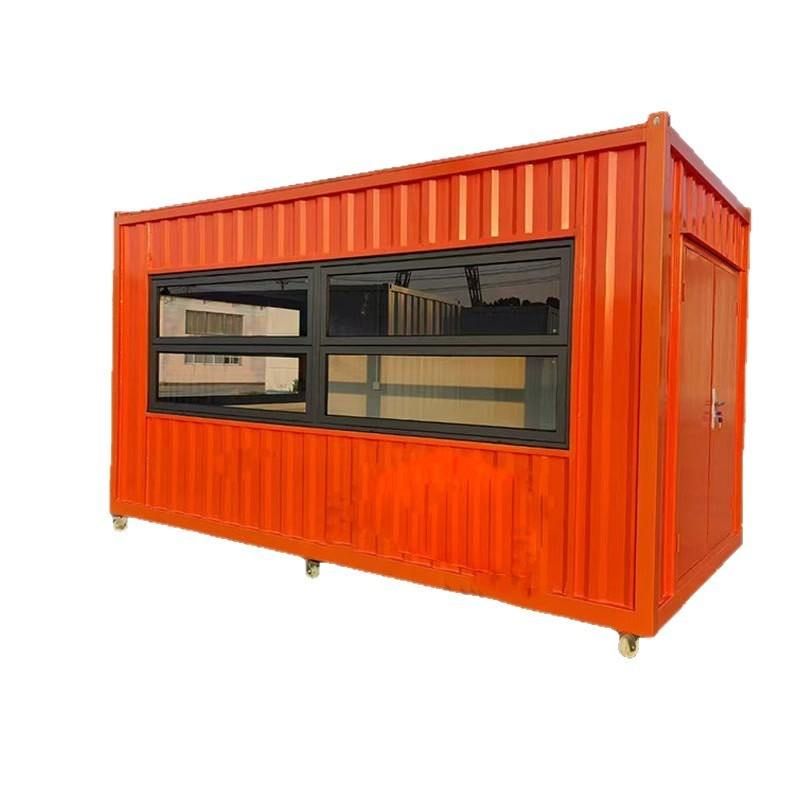
The Essential Nature of Container Houses
Containers were originally designed as containers for transporting goods, with transportation as their primary purpose. They do not fall within the category of real estate. According to the definitions of 'real estate' in the relevant interpretations and regulations on property tax and vehicle and vessel usage tax issued by the Ministry of Finance and the State Administration of Taxation, 'real estate' refers to property in the form of a building. It requires a roof and enclosing structures (walls or columns on both sides) that can provide shelter from wind and rain and be used for production, work, study, entertainment, living, or storing goods. Even if a container is modified to have the appearance of a house and is used for work, study, etc., due to its essential nature, it is still not recognized as traditional real estate and thus does not have property rights.
Basis for Property Registration and Property Tax Payment
Real estate requires clear property registration, and the property owner is responsible for paying property tax. Since container houses do not belong to real estate and have no property registration, there is no situation where the property owner pays property tax. For example, in some cases, even if a container is modified into a house suitable for living, because it has no property rights, it is not within the scope of property tax payment.
Explanation of Special Cases
Although container houses generally do not have property rights, there is a special case. If a container house can be used normally and has legal real estate property certificates and approval for renting from the housing management department, it can be rented out in accordance with the rental policies stipulated by the state and the local people's government of the city where the house is located. However, in reality, most container houses, due to factors such as materials and construction methods, find it difficult to obtain legal building permits and property rights. For example, container houses that are personally modified for living often lack legal property rights and cannot be registered for household registration.



