
Disadvantages of Prefabricated Panel Houses
The disadvantages of prefabricated panel houses are mainly reflected in insufficient seismic performance, poor sound insulation and thermal insulation, difficulty in adjusting the internal structure, the risk of water seepage, and a relatively short service life.
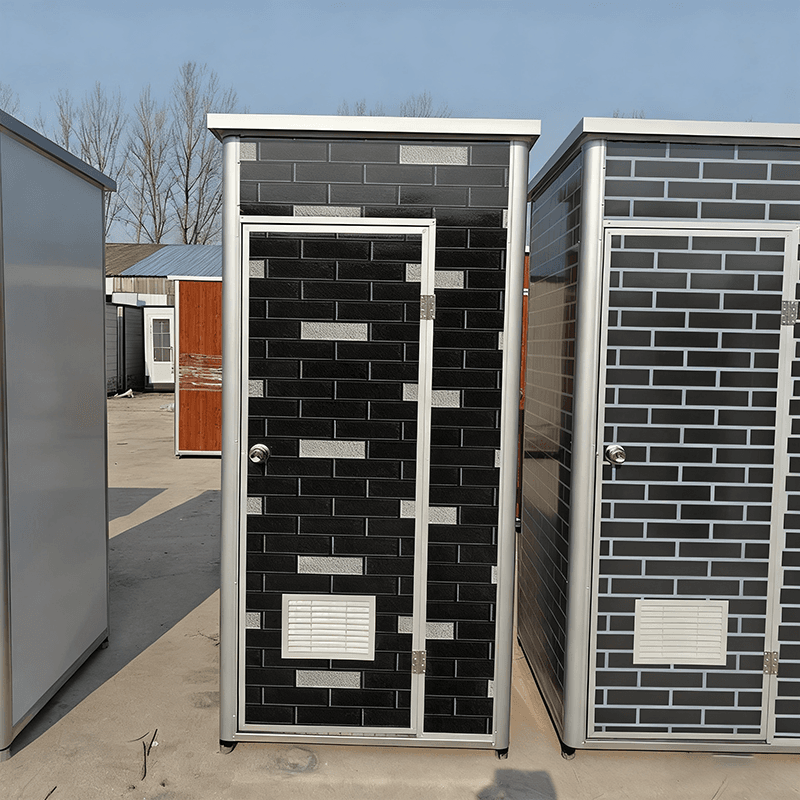
Insufficient Seismic Performance: Prefabricated panel houses mainly rely on cement for construction. Although a certain amount of steel bars are added, their overall seismic capacity cannot be compared with that of modern buildings. They are assembled from prefabricated panels, lacking firmness and toughness. They often adopt a hollow design, and the quantity and distribution of steel bars are not as scientific and reasonable as those in cast-in-place houses. Even slight vibrations can loosen the joints between floor panels. Over time, cracks in the house increase and widen. When facing natural disasters such as earthquakes or floods, safety precautions are clearly inadequate, and even the entire house may collapse.
Poor Sound Insulation and Thermal Insulation: Prefabricated panel houses perform poorly in terms of thermal and sound insulation. In summer, the house is as hot as a "steamer", with soaring temperatures, making it difficult for air conditioners to cool the space. In winter, the cold is piercing, and it is difficult for heating systems to warm the house. Air conditioners consume a lot of electricity, leading to astonishing energy consumption over the years and increasing electricity and energy waste costs. At the same time, the sound insulation effect is poor, and the voices of neighbors can be clearly heard, affecting sleep quality.
Difficulty in Adjusting the Internal Structure: Unlike modern commercial houses, prefabricated panel houses almost do not allow large-scale modifications. Every wall may be related to the overall structure, making it difficult for residents to customize the living space according to their personal needs, limiting the flexibility and comfort of living.
Risk of Water Seepage: As time goes by, cracks appear in the cement components, and the gaps between components increase, increasing the risk of water seepage between floors. Wall cracks spread like spider webs, and the roof leaks severely, turning the house into a "water dungeon" on rainy days. Cracks weaken the overall strength of the walls. Over time, the structure becomes unstable, and the probability of collapse increases. Moreover, the damp environment caused by water leakage is prone to breeding mold and bacteria, which are harmful to health.
Relatively Short Service Life: The designed service life of prefabricated panel houses is about 30 to 50 years. Most of them were built in the 1970s to 1990s, and many have approached or exceeded their intended service lives, showing signs of aging. Many old prefabricated panel houses have been identified as "dilapidated houses", and they are difficult and costly to repair. If the construction technology at that time was not up to standard and materials were cut corners, they may have to be "retired" even earlier.



