
Disadvantages of Container Mobile Houses
The main disadvantages of container mobile houses include insufficient thermal insulation performance, poor sound insulation, and fire safety hazards.
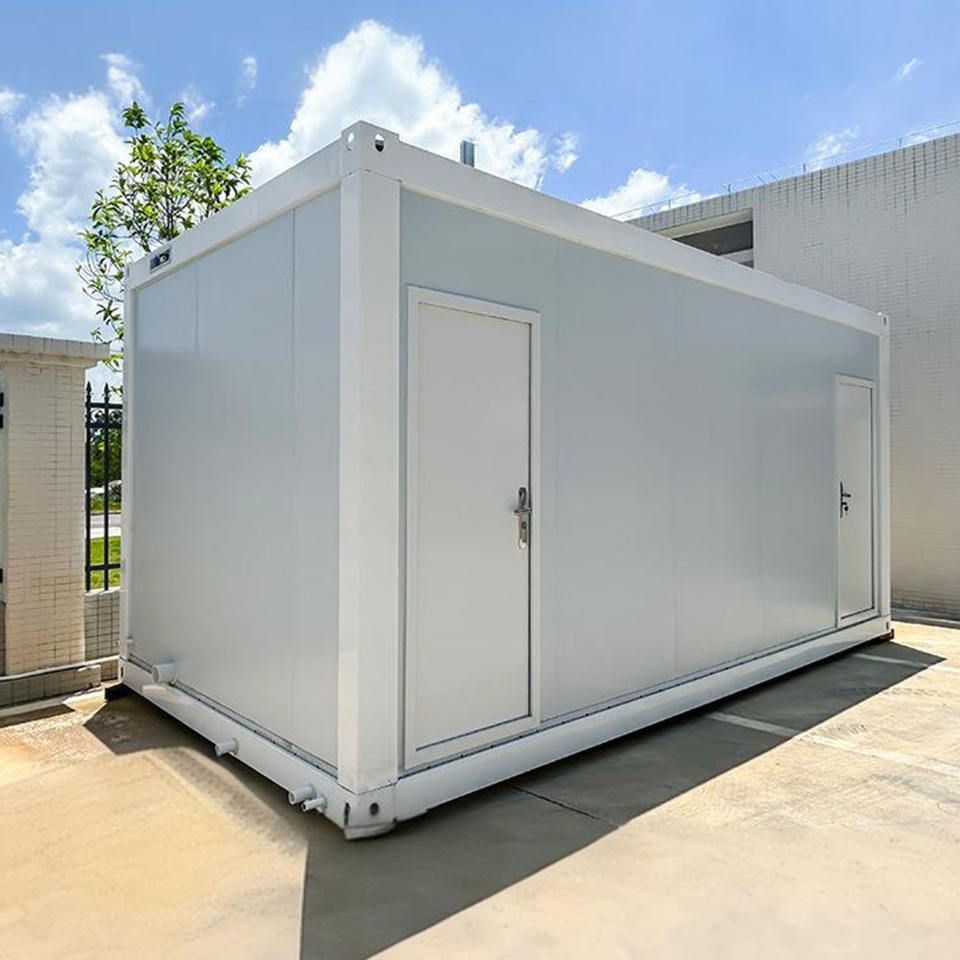
1. Thermal Insulation Issues
The thermal insulation performance of container mobile houses is significantly affected by the quality of materials used. For low-end products, due to differences in materials, their thermal insulation effects are difficult to guarantee, especially under extreme weather conditions. The indoor temperature is easily influenced by the external environment, leading to increased energy consumption or reduced living comfort. To improve performance, it is necessary to choose products from reliable manufacturers, but the price is usually about twice that of low-end products, increasing usage costs.
2. Sound Insulation Issues
The metal structure of containers has a strong sound transmission effect, resulting in poor sound insulation performance. Daily noises (such as conversations, equipment operation) can easily propagate through the walls, potentially causing interference to living or working environments. To improve sound insulation, additional sound insulation treatments (such as adding sound insulation materials or double walls) are required, further increasing construction costs and complexity.
3. Fire Safety Hazards
- Illegal Building Materials: To save costs, some temporary buildings use flammable sandwich materials such as polystyrene and polyurethane foam. These materials have poor fire resistance and are prone to combustion when exposed to open flames (such as electrical welding sparks, cigarette butts), significantly increasing the risk of fire.
- Rapid Combustion: Flammable materials begin to melt and deform at 80℃, and the dripping substances can ignite surrounding combustibles, causing the fire to spread rapidly and expand the scope of the fire.
- Difficulty in Fire Extinguishment: After a fire occurs, the fire spreads rapidly and can easily cause collapse. The container structure wrapped in iron sheets obstructs the water jet from firefighting equipment, resulting in low fire extinguishment efficiency and significantly increasing rescue difficulty.
- Escape Difficulties: The black smoke and toxic gases (such as products of combustion from polystyrene and polyurethane) released during combustion quickly fill the indoor space, reducing visibility and endangering human health, increasing the risk of casualties among trapped individuals.
In summary, in addition to cost and convenience, container mobile houses require special attention to their thermal insulation, sound insulation, and fire safety performance, especially in terms of material selection and fire prevention design, to ensure safety and comfort during use.



