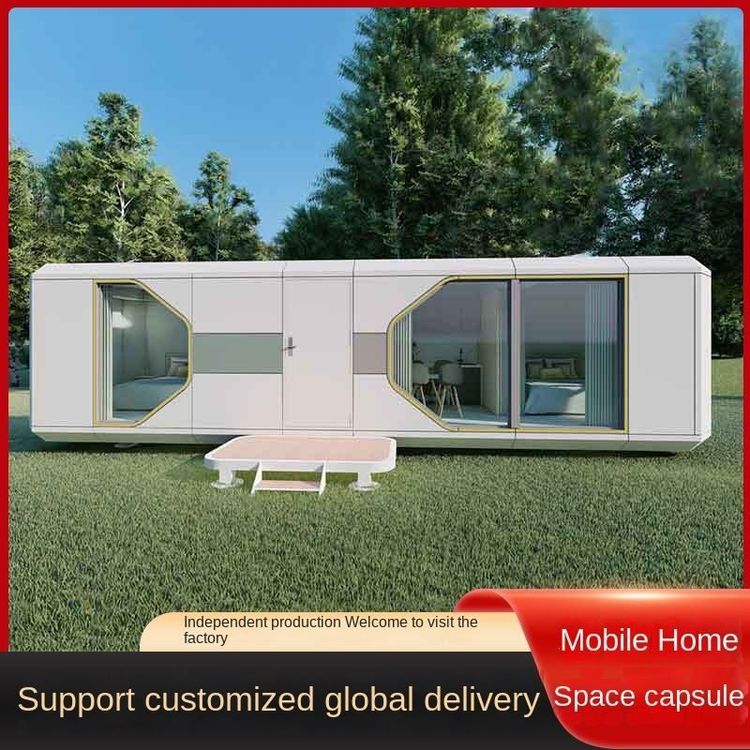
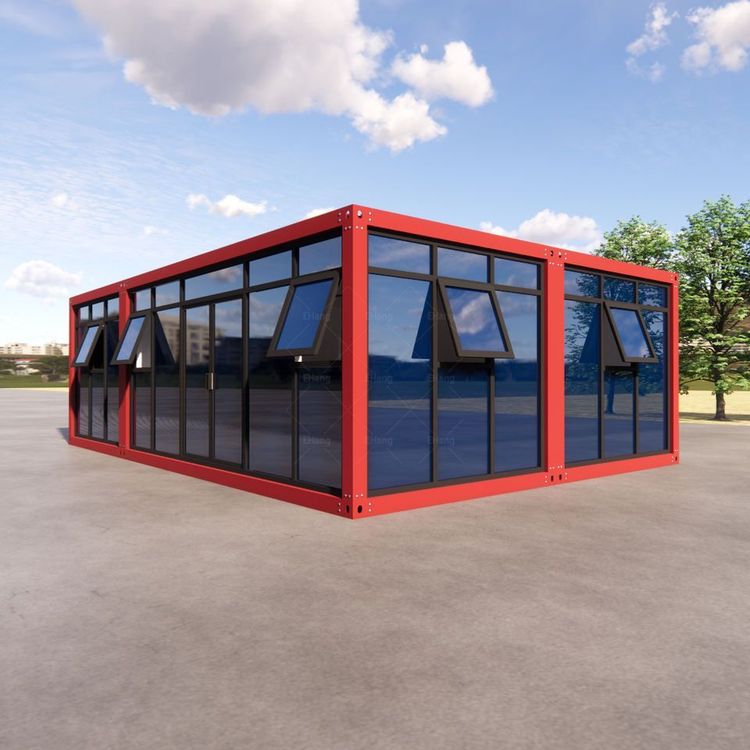
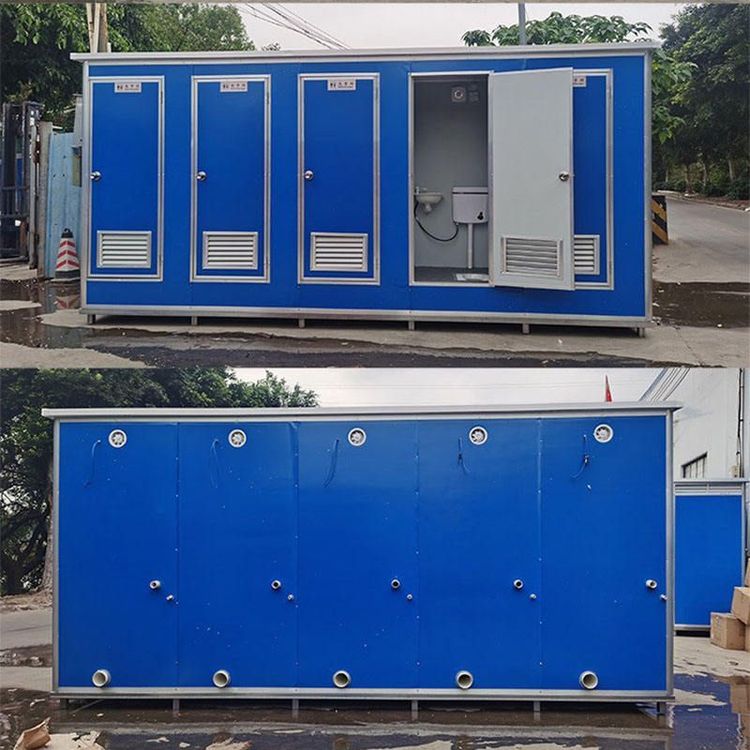
Disadvantages of Container Houses
The disadvantages of container houses are mainly reflected in the following aspects:

1. Limited sound insulation and thermal insulation performance
The thermal conductivity of container materials is as high as 50 w/(m·k), more than 10 times that of concrete. In summer, without additional thermal insulation layers, the indoor temperature can be 8-12℃ higher than the outdoor temperature, increasing air conditioning energy consumption by 40%-60%. In winter, in northern regions, condensation easily forms inside the container, requiring the installation of more than 5cm of polyurethane insulation layer to meet residential standards, increasing costs by approximately 200 yuan/㎡. In extreme weather conditions, noise can easily penetrate, significantly reducing living comfort.
2. Limited internal space
Standard container sizes are 20 feet (5.9m×2.35m×2.39m) or 40 feet (12m×same width and height). After modification, the net height is only 2.1-2.2m, which can easily cause a sense of oppression during long-term residence. Horizontal splicing of multiple containers requires cutting load-bearing structures, weakening overall rigidity and posing significant risks in typhoon-prone areas. The placement of furniture and equipment is restricted by height and width, making it difficult to meet the needs of large families or specific spaces.
3. Poor structural safety and fire resistance
Without scientific structural calculations and reinforcement during modification, long-term use may lead to a decline in structural stability, especially in extreme weather conditions such as earthquakes and typhoons, posing safety hazards. Ordinary container houses have extremely poor fire resistance, losing their load-bearing capacity within about 10 minutes after a fire. Moreover, the core materials (such as polyurethane and polystyrene) are flammable and spread rapidly, while narrow passages hinder evacuation, and illegal construction exacerbates risks.
4. Legal and regulatory and property rights issues
In China, container houses are often classified as temporary buildings and require renewal every 2 years (e.g., according to the 'Shanghai Temporary Construction Planning and Management Measures'). Non-compliance may result in forced demolition. The site selection and approval process is complex, and property rights are unclear, posing legal risks for long-term use.
5. High maintenance costs
The materials are prone to corrosion and rust, requiring regular inspection and repair of rust, paint peeling, and other issues, as well as cleaning and disinfection. Maintenance work is cumbersome, with high time and economic costs.
6. Inadequate supporting facilities
Water and electricity connections and sewage systems may be incomplete, leading to unstable supply or difficult disposal. Communication and internet access may also be limited, affecting daily life convenience.