
Disadvantages and Hazards of Prefabricated Houses
The disadvantages and hazards of prefabricated houses are mainly reflected in the following aspects:
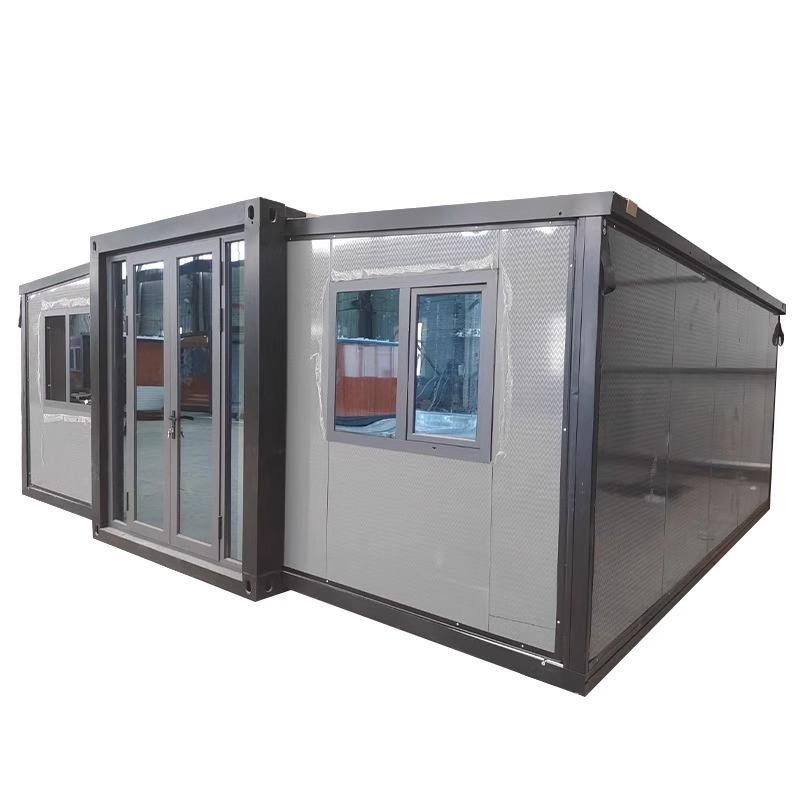
1. Low structural strength and poor earthquake resistance
Prefabricated panel houses are assembled from prefabricated panels, lacking overall firmness and toughness. They often adopt a hollow design, with the quantity and distribution of steel bars being less scientific than those in cast-in-place houses. Their earthquake resistance is extremely poor; slight vibrations can cause the joints between floor panels to loosen, and over time, cracks can increase and expand, potentially leading to the collapse of the entire building. Additionally, improper renovation (such as drilling holes or knocking down walls) can also damage the structural stability, posing safety hazards.
2. Short service life and prominent aging issues
The designed service life of prefabricated houses is typically 30 to 50 years. Many houses built in the 1970s to 1990s are approaching or have exceeded their service lives, experiencing issues such as wall aging and steel bar corrosion. Some houses have been identified as "dangerous buildings," with high repair costs and difficulties, and may even require demolition and reconstruction.
3. High risk of wall cracks and water leakage
Over time, cement components are prone to cracking, and the gaps between components expand, leading to water seepage problems. Common manifestations include mottled walls, deformed floors, and leaking windows, which affect living comfort and may damage indoor decorations.
4. Poor thermal insulation performance
The gaps in the walls of prefabricated panel buildings and the insufficient sealing around doors and windows allow cold air to easily infiltrate in winter and make the interior stuffy in summer. In extreme weather conditions, energy consumption increases significantly, resulting in a poor living experience.
5. Poor sound insulation performance
The thickness and material limitations of prefabricated panels result in poor sound insulation performance. Daily activities of neighbors (such as walking or talking) can easily penetrate the walls, reducing the quality of life.
6. Limited internal structural modifications
The walls of prefabricated houses often serve as structural supports, and large-scale modifications (such as removing non-load-bearing walls) can damage the overall stability, making it difficult for residents to customize their living spaces according to their needs.
7. Vulnerable connection points, prone to collapse due to settlement or cracking
Prefabricated panels are connected to walls and to each other through simple overlapping or filling, lacking reinforcement from ring beams and structural columns. Foundation settlement or wall cracking can cause the panels to shift and loosen. Long-term weathering or steel bar corrosion can further weaken the connection strength, potentially leading to partial or complete collapse.
8. Substandard materials, brittle and prone to breakage
Some prefabricated panels produced by small workshops have issues such as overly thin steel bars (or even the use of steel wire instead), substandard concrete grades, and insufficient thickness, leading to brittle failure. When exceeding the load-bearing capacity or aging over time, the prefabricated panels may suddenly break, and actions such as stacking heavy objects or knocking on the floor during renovation can trigger collapse risks.



