Dirty Condition of Mobile Toilets in Fangcang Shelter
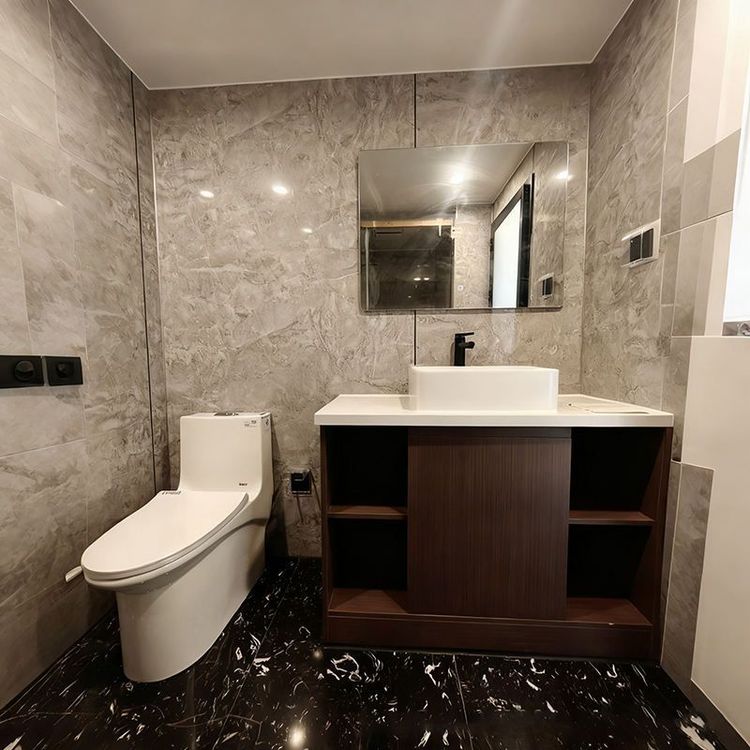
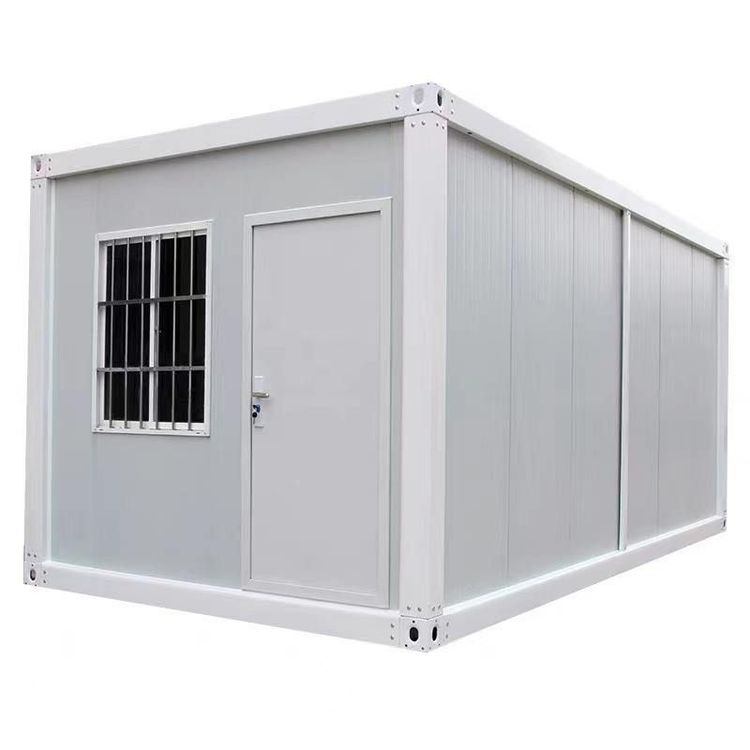
The sanitary conditions of mobile toilets in Fangcang shelters vary depending on the intensity of management and staffing, and are not absolutely dirty, but dirty conditions have occurred in some scenarios.

Some mobile toilets in Fangcang shelters have well-maintained sanitation: Taking Wuhan Livingroom Fangcang Hospital as an example, the sanitation department formed a dedicated team of 10 people, including Luo Shanshan, who have been continuously engaged in cleaning work since February 5. For the 150 mobile toilets, daily full-process operations such as disinfection and fecal water pumping are required, with a peak daily fecal water processing volume of 10-12 tons. The cleaning team adopts a coordinated operation mode using fecal suction trucks, cleaning trucks, and sprinkler trucks, ensuring toilet sanitation standards are met through a standardized process of fecal suction, flushing, water injection, paper basket replacement, and comprehensive disinfection. Although initial local dirtiness was caused by patients' usage habits (such as throwing toilet paper randomly and not flushing feces), after the promotion and education by medical staff and continuous cleaning by janitors, the sanitary conditions gradually improved, eventually forming a stable cleaning and maintenance mechanism.
Some mobile toilets in Fangcang shelters have experienced sanitary issues: The National Exhibition and Convention Center (Shanghai) Fangcang Hospital once suffered from a deteriorated toilet environment due to management oversights. On April 12, patients reported issues such as waste accumulation, uncollected garbage, malfunctioning flushing systems, and damaged faucets in the toilets. The direct causes were the cleaning staff's failure to promptly handle excreta and garbage, as well as insufficient facility maintenance. However, after the problems were exposed, the staff completed a comprehensive cleaning that night and basically resolved all issues by the next morning, indicating that sanitary conditions are dynamically improvable, with the key factors being the speed of management response and the intensity of resource investment.
Core influencing factors of sanitary conditions: The cleanliness of mobile toilets in Fangcang shelters mainly depends on two aspects: first, the intensity of management, including cleaning frequency, staffing, and supervision mechanisms; second, staffing, such as the dedicated team system in Wuhan Livingroom Fangcang Hospital ensuring continuous cleaning, while the problems in the National Exhibition and Convention Center (Shanghai) Fangcang Hospital stemmed from short-term management laxity. In addition, patients' usage habits (such as whether they flush or put garbage in the basket) also affect sanitary results, but these can be improved through promotion and education. Overall, the sanitary conditions of mobile toilets in Fangcang shelters are not fixed attributes but a direct reflection of management effectiveness.