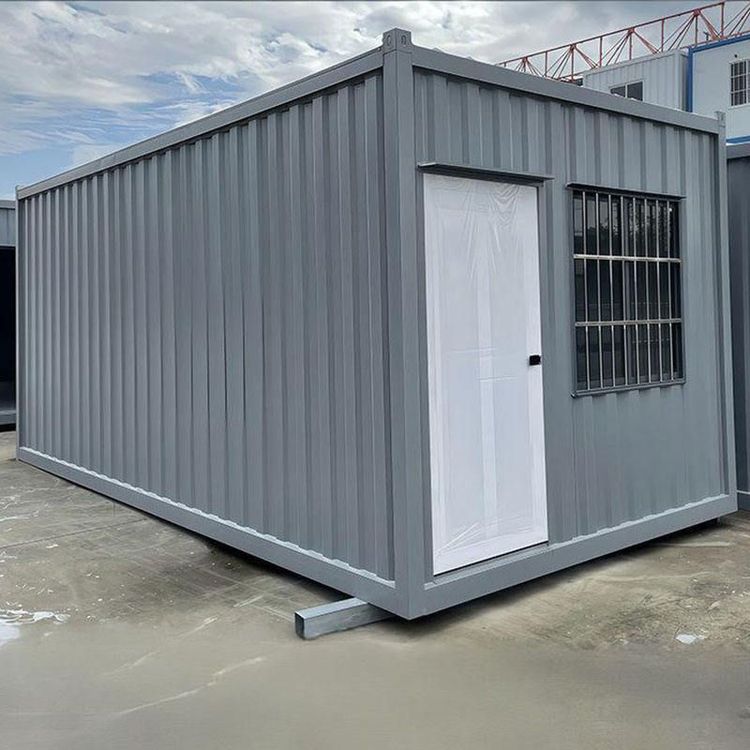
Direct Discharge Mobile Toilet
A direct-discharge mobile toilet is a toilet facility that can be moved as a whole and set up at fixed or temporary locations. Its core feature is the treatment of excreta through direct discharge, making it one of the types of mobile toilets classified by sewage treatment methods.

1. Basic Definition and Function
The direct-discharge mobile toilet achieves mobility through its overall structural design, making it suitable for outdoor scenic spots, temporary events, construction sites, and other scenarios. Its 'direct discharge' function means that excreta is directly discharged through pipes to an external sewage system or septic tank, eliminating the need for complex treatment inside the toilet. For example, the '3+1 wood-grain-colored mobile water-flushing direct-discharge toilet' combines water-flushing cleaning with direct discharge, using water flow to flush excreta and discharge it directly, keeping the interior clean.
2. Classification and Sewage Treatment Methods
Mobile toilets can be classified into four major categories based on sewage treatment methods, with the direct-discharge type being one of them:
- Water-flushing direct-discharge type: Relies on water for flushing, with excreta discharged directly through pipes, requiring connection to an external sewage system.
- Waterless suction type: Uses vacuum or negative pressure to suction excreta into a fecal storage tank, which is cleaned periodically, suitable for water-scarce environments.
- Recirculating water-flushing type: Filters and purifies excreta for recirculation in flushing, conserving water resources but requiring regular maintenance of the filtration system.
- Dry-packing type: Uses biodegradable bags to collect excreta, requiring no water source, and is disposed of uniformly after packing, suitable for scenarios without sewage discharge conditions.
The direct-discharge type is typically used in locations with municipal sewage networks or temporary septic tanks due to its reliance on external sewage systems.
3. Typical Application Scenarios
Direct-discharge mobile toilets are commonly found in the following scenarios:
- Outdoor scenic spots: For example, 'mobile public trailer toilets' can be quickly deployed in areas with high tourist concentrations, connecting to the scenic spot's sewage network through direct discharge, balancing convenience and environmental protection.
- Temporary events: Short-term events like music festivals and exhibitions require rapid setup of toilet facilities. The direct-discharge type reduces the frequency of fecal storage tank cleaning, lowering operational costs.
- Construction sites: Long-term construction projects can connect the direct-discharge type to temporary septic tanks, avoiding frequent transportation of excreta and improving work efficiency.
4. Advantages and Limitations
Advantages:
- Clean and efficient: Water-flushing design reduces odors, and direct discharge avoids internal fecal storage, lowering maintenance frequency.
- Wide applicability: Can be combined with exterior designs like wood-grain colors to blend into different environments, meeting aesthetic needs in public places.
Limitations:
- Dependence on sewage systems: Requires prior planning of sewage discharge paths. Areas without sewage networks need supporting septic tanks, increasing initial costs.
- Water consumption: Water-flushing types require a continuous water supply, limiting their applicability in arid regions or scenarios with water scarcity.
The direct-discharge mobile toilet balances convenience and hygiene through direct-discharge technology, making it an important choice for outdoor public toilet facilities. However, it is necessary to evaluate sewage conditions and water supply based on specific scenarios.