
Direct Discharge Mobile Toilet
A direct discharge mobile toilet is a facility that can be moved as a whole and discharges waste through a direct discharge method, providing toilet services to the public. The following is a detailed introduction from the aspects of definition, waste discharge method, brands, and applicable places:
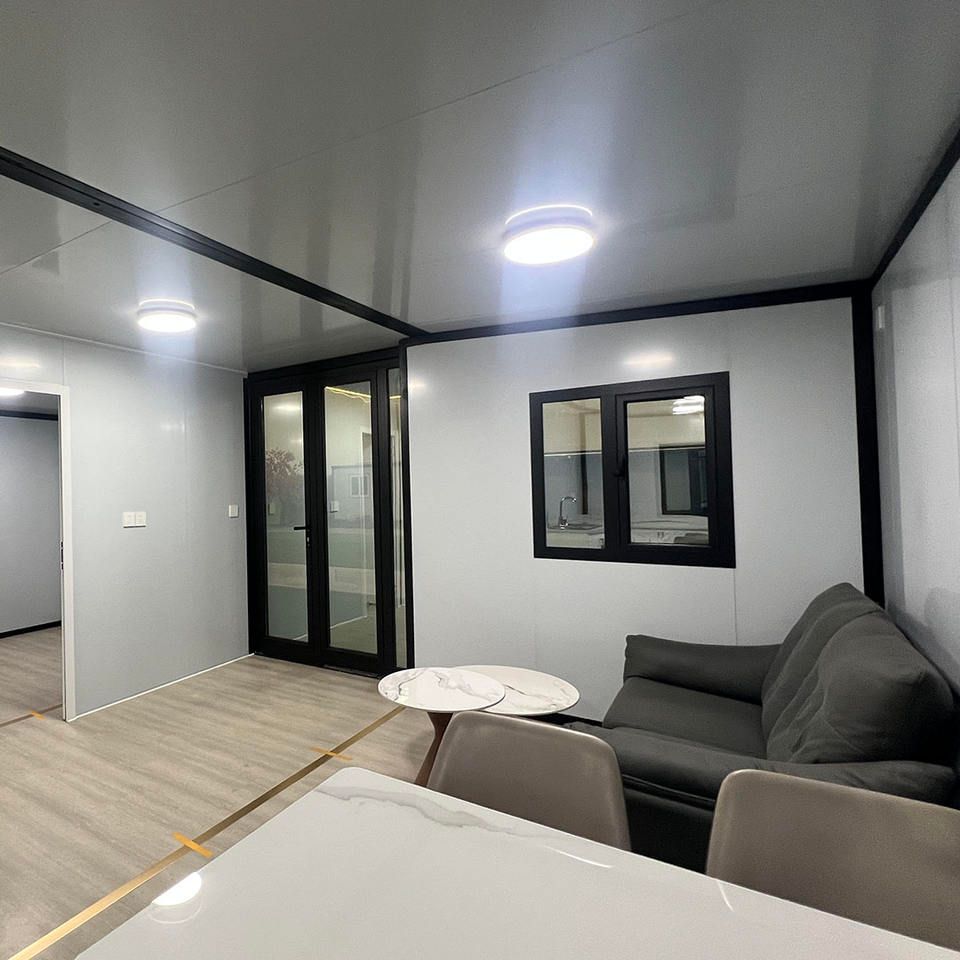
Definition: The direct discharge mobile toilet has the characteristic of being movable as a whole. It can be placed at different locations or venues according to fixed or temporary needs to solve people's toilet problems. This flexibility enables it to function in various scenarios, whether it is for short-term event needs or long-term venue配套 (supporting facilities, here it means providing necessary facilities for a place). It can be quickly deployed in place.
Waste Discharge Method: Its core feature lies in adopting a direct discharge waste disposal method. Unlike some toilets that need to store feces for subsequent treatment, a direct discharge mobile toilet directly discharges excreta into corresponding pipelines or treatment systems. This waste disposal method can avoid the long-term storage of feces inside the toilet, reducing problems such as odors and bacterial growth. At the same time, it also reduces the frequency and difficulty of cleaning, improving usage efficiency and hygiene levels.
Brands: There are currently various brands of direct discharge mobile toilets on the market, such as Jinhong Pipeline, Huajie Lvyuan, and Jiasheng. Products from different brands may have certain differences in terms of quality, performance, and design. Some well-known brands usually have advantages in technology research and development, production processes, and after-sales services, and can provide more reliable products and more comprehensive service guarantees. Consumers can comprehensively consider brand factors according to their own needs and budget when making a choice.
Applicable Places: The application scope of direct discharge mobile toilets is very wide, including stations, docks, tourist attractions, villa areas, newly built residential communities, large construction sites, squares, densely populated public places, and bustling commercial streets. At stations and docks, it can meet the temporary toilet needs of a large number of passengers; at tourist attractions, it can provide convenient toilet facilities for tourists and enhance the tourism experience; at large construction sites, it is convenient for workers to use and ensures hygiene conditions during construction; in densely populated public places and bustling commercial streets, it can effectively relieve toilet pressure and improve urban environmental hygiene.



