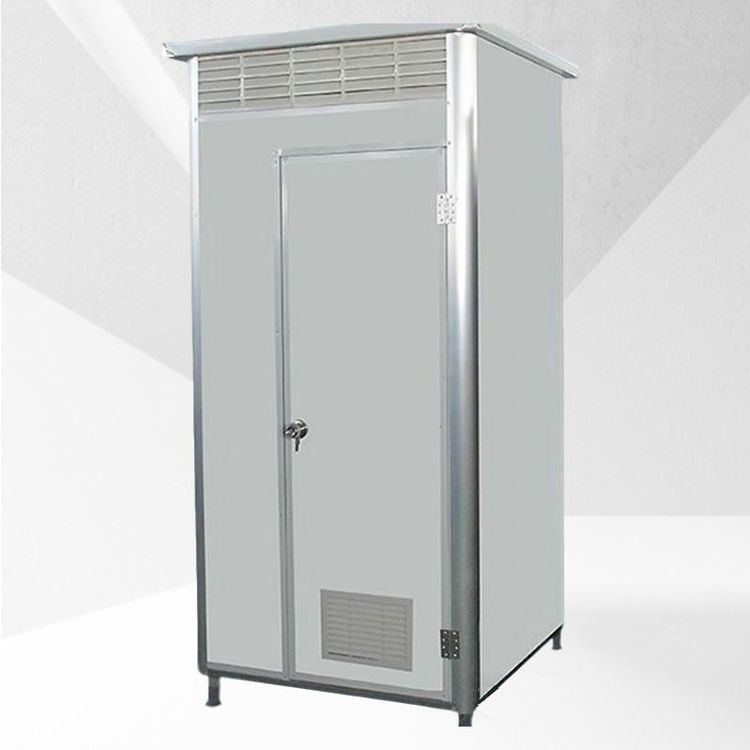
Diqing Garden Mobile Toilet
The Diqing region indeed offers rental services for garden mobile toilets, meeting the temporary or long-term sanitation needs of gardens and other settings. Here is a科普 (popular science, here means an informative) introduction covering basic components, structural types, mobility methods, sewage treatment approaches, and appearance features:
1. Basic Components
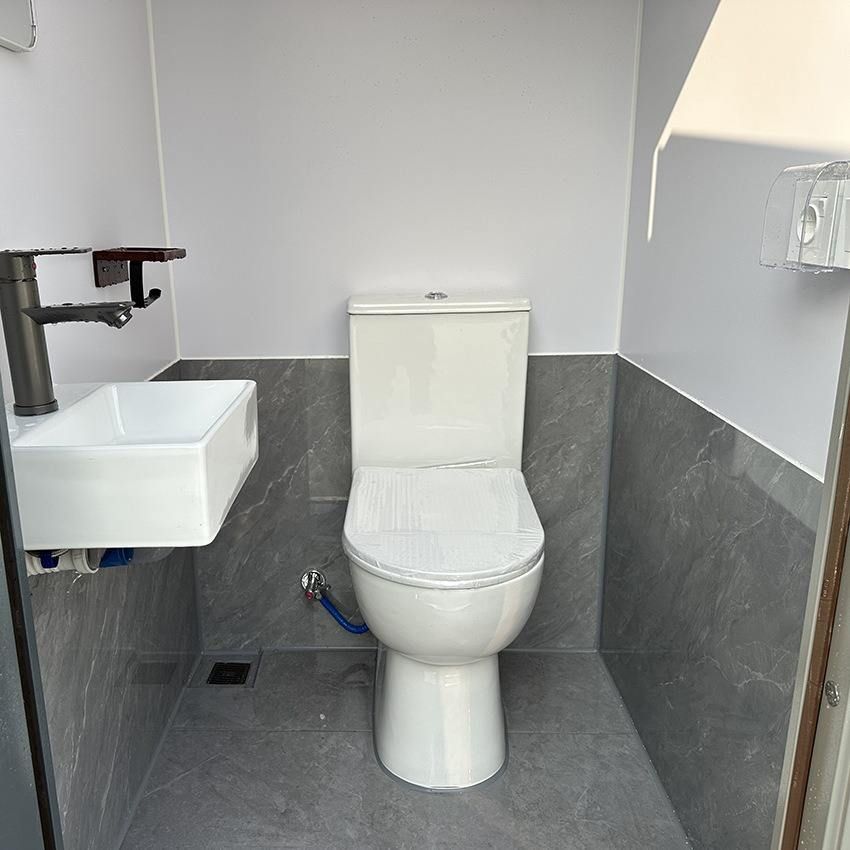
Mobile toilets typically consist of core components such as fecal sewage storage tanks (or disposal units), floor slabs, sanitary fixtures, walls, washing equipment, water tanks, roofs, and mobility devices. Among them, the fecal sewage storage tank is used to collect excreta, with some models equipped with biodegradation or chemical treatment units to reduce odors. Sanitary fixtures include toilets or squat pans, with some high-end models featuring sinks and hand dryers. The mobility device, depending on the design, may include wheels, lifting rings, or towing structures for easy transportation and installation.
2. Structural Types
There are two types based on structural form:
- Single-unit mobile toilets: Designed as independent units, suitable for limited-space or temporary settings such as garden events and exhibitions.
- Composite-structure mobile toilets: Composed of multiple modules, they can be expanded to include multiple toilet stalls, management rooms, or barrier-free facilities, making them suitable for long-term use or areas with high foot traffic.
3. Mobility Methods
There are three types based on transportation needs:
- Lifting and handling types: Rely on forklifts or cranes for lifting, suitable for long-term placement at fixed locations.
- Powered and towed types: Equipped with engines or towing devices, they can be moved by vehicles, offering high flexibility.
- Manually handled types: Compact in size, suitable for narrow spaces or short-term events.
4. Sewage Treatment Methods
There are four types based on environmental protection technology:
- Water-flush and waterless-flush suction types: Traditional water-flush toilets require a water connection, while waterless-flush types use vacuum suction to transfer excreta to storage tanks for regular removal.
- Recirculating water-flush types: Utilize a graywater reuse system, filtering and disinfecting water for repeated flushing, conserving water resources.
- Dry-pack types: Use biodegradable plastic bags to collect excreta, requiring no water source, suitable for water-scarce or highly environmentally conscious settings.
5. Appearance and Materials
Some mobile toilets feature exterior walls with wood-grain finishes and aluminum alloy doors, enhancing aesthetics and durability. The interior is fully equipped with sanitary fixtures, with some models also featuring air conditioning, lighting, and deodorization systems to improve user comfort.
The garden mobile toilet rental service in Diqing can provide customized solutions based on specific needs (such as duration of use, foot traffic, and site conditions), balancing functionality and environmental friendliness, making it an ideal sanitation facility choice for outdoor events.