
Installation of Mobile Toilets in Dingxi Park
The installation process of mobile toilets in Dingxi Park adheres to the principles of modular design, featuring simple and efficient steps that can be divided into the following four stages:
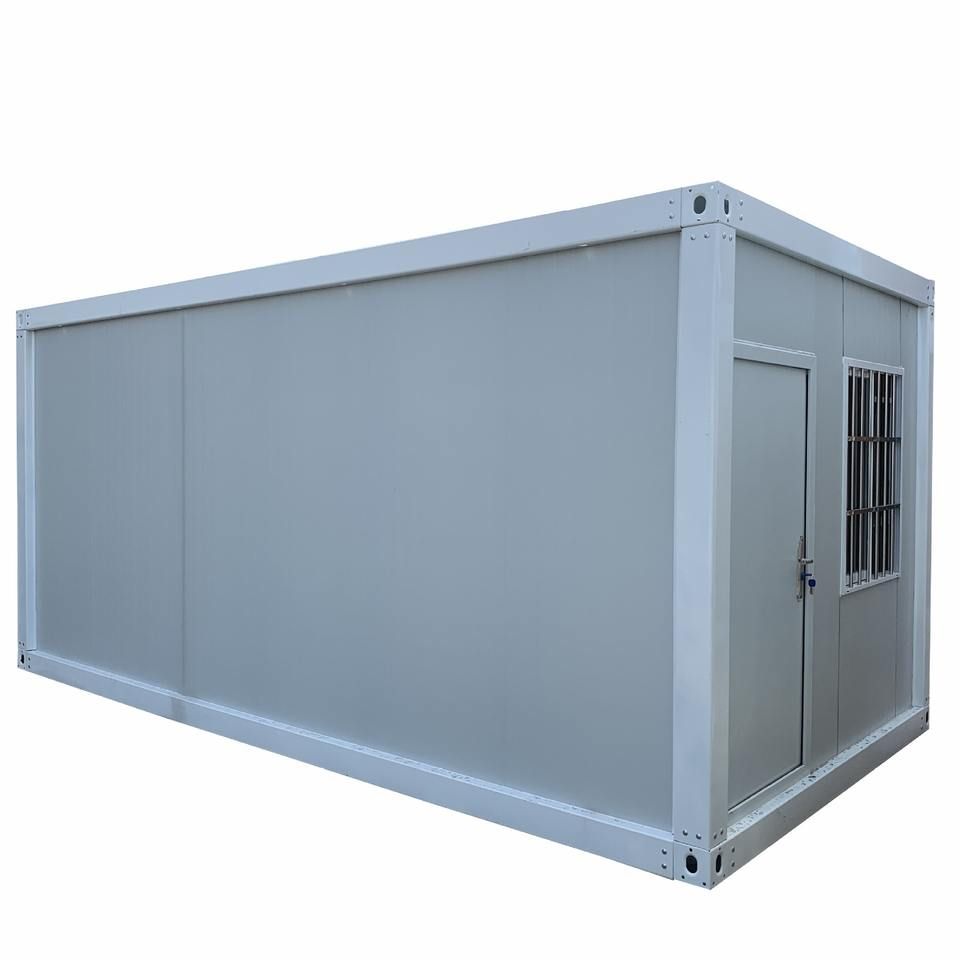
1. Preliminary Preparation and Positioning
Select a location that is flat, well-ventilated, and away from water source pollution areas based on site planning. Clear debris and ensure the ground is solid. If installing a split-type mobile toilet, harden uneven ground or lay steel plates in advance, and plan drainage paths to prevent water accumulation from affecting structural stability. The site selection must comply with the requirements for sanitary protection distances specified in the "Sanitary Code for Mobile Toilets" (GB/T 21239-2023) to ensure safety during use.
2. Main Structure Installation
- Chassis and Frame Fixation: Use a forklift to place the prefabricated steel structure chassis steadily and secure it with expansion screws or counterweights to prevent shaking. The chassis must be adjusted to a level state to avoid tilting during subsequent installations.
- Wall and Roof Panel Assembly: Insert standardized sandwich panels or fiberglass wall panels into the chassis slots and secure them with bolts or clips; seal the roof panel after installation to prevent rainwater leakage. The pre-embedded pipeline channels within the wall sandwich layers allow for concealed layout of water supply and sewage pipes, reducing on-site construction complexity.
- Modular Assembly: For multi-unit combinations, quickly assemble them using locking mechanisms and waterproof connection techniques to form a reusable and detachable overall structure, shortening the installation period.
3. Internal Facilities and System Connections
- Sanitary Ware and Equipment Installation: Connect the toilet's sewage outlet to the sewage storage tank (or temporary storage tank) to ensure tightness; install flushing systems, sinks, lighting, and ventilation equipment. Some models use low-voltage DC drainage valves to reduce power consumption.
- Water and Electricity Pipeline Connections: Connect the built-in water storage tank to an external water source using quick connectors or integrate it with a solar panel power supply system; the sewage system can switch between temporary storage tank mode or directly connect to the site's pre-treatment septic tank without requiring on-site civil engineering modifications.
- Functional Debugging: Test the flushing, electrical circuits, and tightness to ensure no blockages or leaks; for foam-type toilets, replenish the foam solution and inspect the air pump pipelines to maintain foam stability.
4. Auxiliary Facilities and Safety Inspections
- Accessory Installation: Install doors, windows, handrails, hooks, and other accessories, and lay anti-slip mats; after connecting the electrical circuit, test whether the ventilation and deodorization equipment (such as negative pressure ventilation systems) is functioning properly.
- Safety Acceptance: Confirm the overall structural stability, mark emergency contact information, and complete the final acceptance. In cold regions, install anti-freeze layers at the bottom of the container and set up heating tapes in the pipelines to prevent freezing.
Advantages of Modular Design: The integrated container-type toilet can be hoisted and connected on-site in just 2-4 hours, significantly shortening the construction period and making it suitable for temporary or highly mobile scenarios such as parks.



