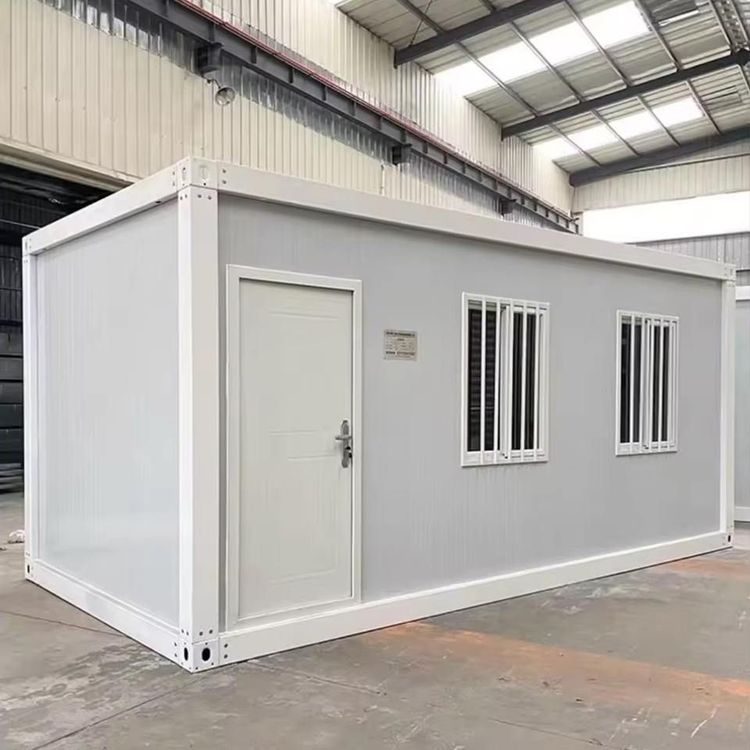
Dingxi Mobile Toilet Safety Inspection
The safety inspection of mobile toilets in Dingxi mainly includes structural safety inspection, building safety inspection, electrical system inspection, water supply and drainage system inspection, environmental protection system inspection, and sanitation condition inspection, among others.
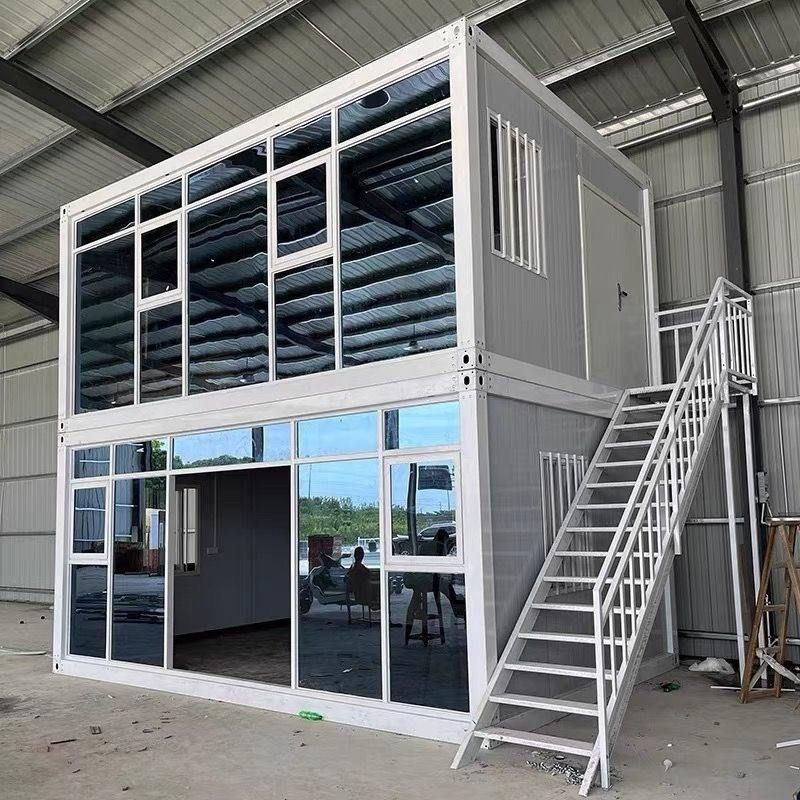
Structural Safety Inspection: This primarily checks whether the overall structure of the public toilet is stable, with no issues such as tilting, cracking, or deformation. Inspection methods include visual checks to observe any obvious abnormalities in the appearance of the public toilet; using tools such as spirit levels and rangefinders to check the structural stability and verticality of the public toilet, ensuring it meets safety standards; and using pressure testing equipment to check the load-bearing capacity of the public toilet floor, preventing accidents such as collapse due to insufficient load-bearing capacity.
Building Safety Inspection: For buildings with signs of danger already identified, this checks the damage status of the building structure and analyzes and judges the safety of the building. This is carried out through means such as surveys, on-site inspections, and structural analysis calculations. Inspection items cover concrete structural members, steel structural members, wooden structural members, masonry structural members, foundation and substructure, building tilting, subsidence and cracking, and basic equipment, comprehensively assessing the safety of the building.
Electrical System Inspection: This checks the safety and functionality of lighting, ventilation, and heating devices. It ensures that electrical circuits are firmly connected, with no hidden dangers such as electric leakage or short circuits; that lighting equipment provides sufficient brightness, ventilation equipment operates normally, and heating devices maintain appropriate temperatures, providing a safe and comfortable environment for users.
Water Supply and Drainage System Inspection: This ensures that the water supply pressure and drainage capacity are normal, with no water leakage or blockage. It checks whether water pipes are tightly connected, whether faucets, toilets, and other equipment are intact, and whether drainage pipes are unobstructed, preventing issues with water supply and drainage from affecting the normal use of the public toilet.
Environmental Protection System Inspection: This focuses on the working status of water-saving devices and deodorization devices. Water-saving devices can effectively reduce water waste, while deodorization devices can keep the air inside the public toilet fresh, enhancing the user experience.
Sanitation Condition Inspection: This assesses the overall sanitation of the mobile public toilet, including the cleanliness of floors, walls, and sanitary ware, as well as the timeliness of garbage disposal, providing users with a clean and hygienic toilet environment.