
Dingxi Mobile Toilet Quotation
The quotation for mobile toilets in Dingxi is influenced by multiple factors, with no fixed or uniform price. It needs to be comprehensively determined based on specific needs.
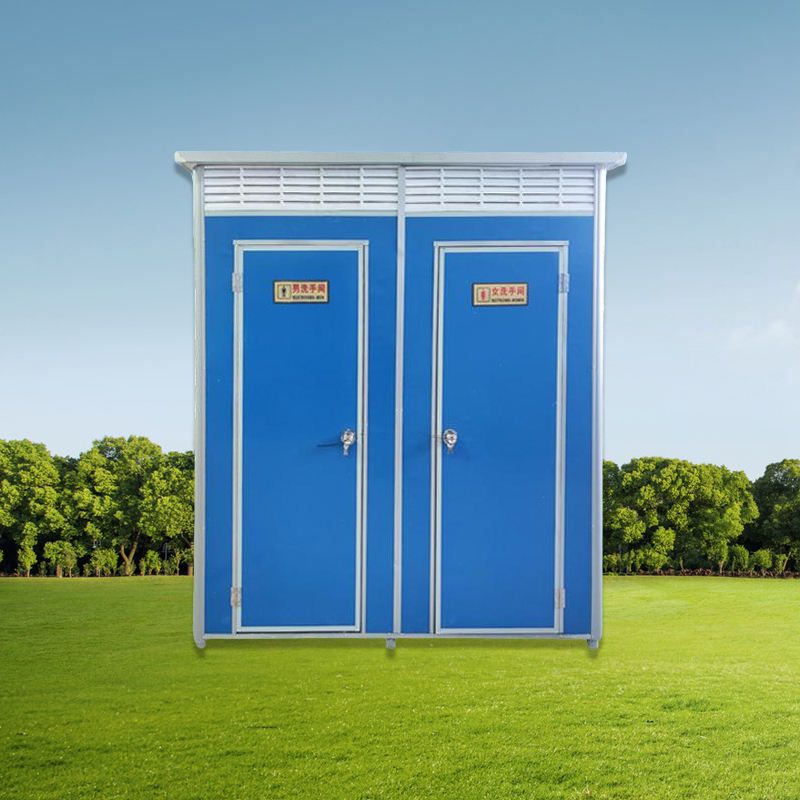
I. Toilet Types Common types include single-unit, trailer-mounted, and waterless ecological models. Single-unit toilets are compact, easy to transport, and have lower manufacturing costs, making them suitable for small-scale or temporary use scenarios. Trailer-mounted toilets are equipped with wheels and towing devices, with increased material and structural complexity, resulting in significantly higher costs than single-unit models. Waterless ecological toilets employ microbial degradation or foam sealing technology, with high technological integration, and are usually the most expensive, suitable for areas with strict environmental requirements.
II. Material Selection The outer shell material directly affects costs: fiberglass is corrosion-resistant and easy to mold but has high raw material costs; color-coated steel sheets are moderately priced and offer good thermal insulation; metal paint emphasizes appearance durability, with costs falling between the previous two. For internal fittings such as toilets and sinks, stainless steel is more expensive than ordinary plastic products but offers greater durability.
III. Technological Function Configuration Basic models only meet fundamental toilet needs and are priced lower; additional functions increase costs. For example, solar power systems reduce reliance on external power sources, smart management systems (foot traffic monitoring, odor sensing, automatic cleaning prompts) enhance management efficiency, and water-saving or waterless technologies reduce water consumption, all requiring additional investment.
IV. Transportation and Installation Costs The geographical location and road conditions of tourist sites in Dingxi affect transportation expenses, with higher costs in remote or rugged areas. During installation, on-site operations such as foundation leveling, temporary pipe connections, and power line laying increase costs. High-altitude or special climatic conditions require enhanced thermal insulation or windproof structures, necessitating design adjustments during the manufacturing stage, further influencing the quotation.
V. Maintenance and Follow-up Services Long-term use involves replenishing cleaning consumables, waste removal and disposal, and regular technical inspections. Easily maintainable structural designs reduce labor costs, while special treatment technologies (such as microbial degradation) require regular professional services. Suppliers typically incorporate service support capabilities into their pricing considerations.
VI. Customization for Usage Scenarios Differences in tourist traffic, usage seasons, and environmental carrying capacity lead to varying functional requirements and quantity demands. Suppliers adjust configurations based on specific scenarios; for example, high-traffic tourist sites may require an increased number of toilet stalls or enhanced durability. The final quotation needs to be determined by considering all factors comprehensively.



