Dingxi Mobile Toilet with Compact Structure
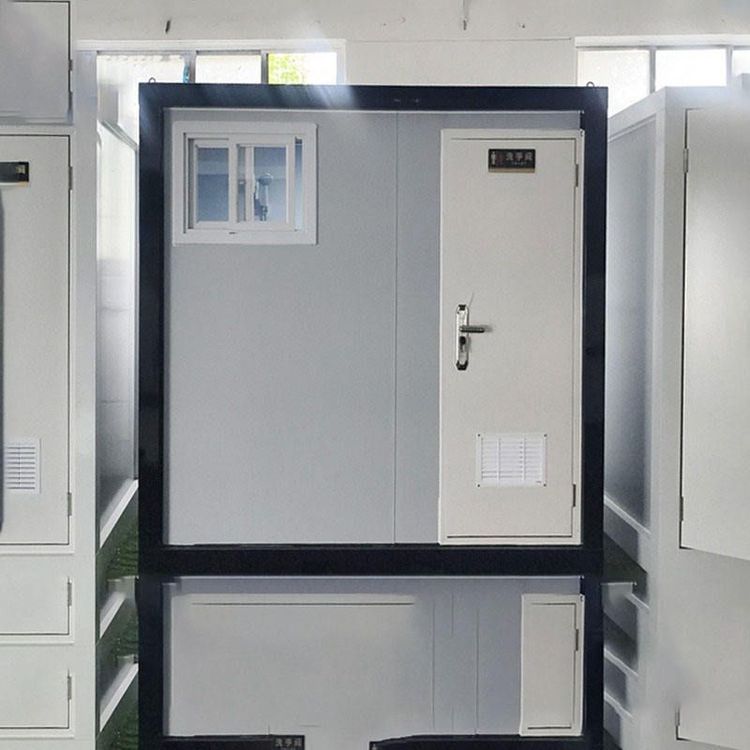
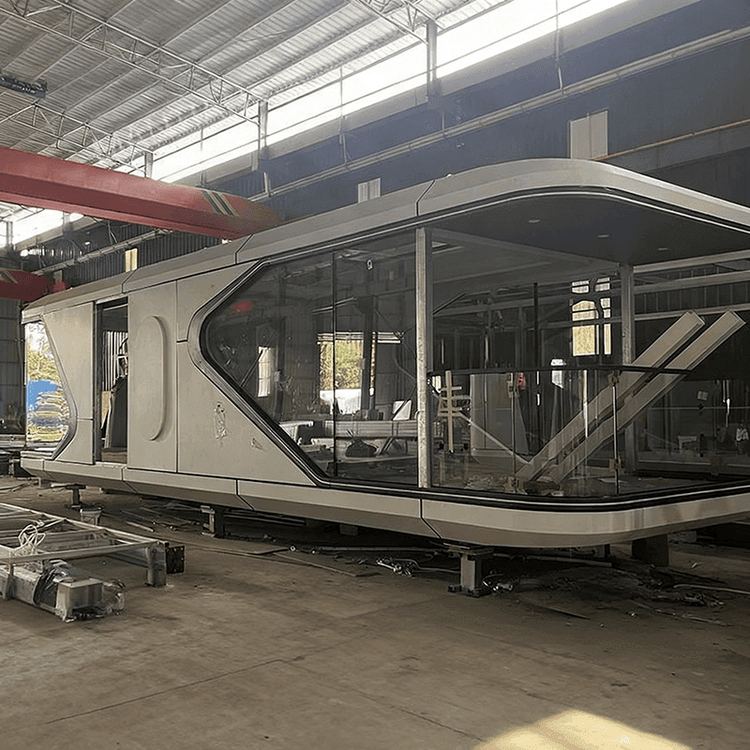
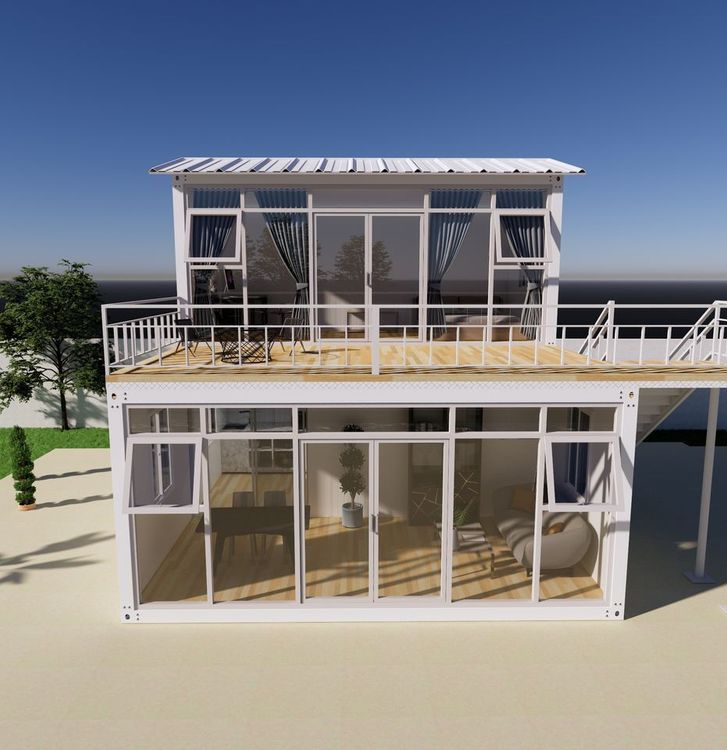
The compact structure of Dingxi mobile toilets is mainly reflected in aspects such as materials, modular design, environmental adaptability, and functional integration.

1. Material Selection and Structural Stability
The main structure of Dingxi mobile toilets mostly adopts a steel frame, combined with anti-corrosion color-coated steel plates, stainless steel, or FRP composite panels. The steel frame has high strength and resistance to deformation, effectively supporting the overall structure. The anti-corrosion color-coated steel plates and stainless steel are corrosion-resistant and weather-resistant, suitable for complex outdoor environments. The FRP composite panels combine light weight with high strength, further enhancing the structural stability. The combination of these materials ensures the tightness and durability of the overall toilet structure.
2. Modular Assembly and Rapid Deployment
Mobile toilets employ a modular design, with components prefabricated and quickly assembled on-site. This design not only simplifies the construction process but also ensures tight connections between modules through standardized interfaces, avoiding structural looseness caused by construction errors in traditional buildings. The modular nature also supports on-demand expansion or functional adjustments, such as adding sinks or shower rooms, while maintaining overall structural stability.
3. Environmental Adaptability Design
In response to the characteristics of low winter temperatures (-20℃ or below) in Dingxi and the collapsible foundation of the Loess Plateau, mobile toilets have undergone special optimizations:
- Freeze Protection and Insulation: Equipped with a -25℃ low-temperature box insulation layer, using ≥50mm rock wool filling and aluminum foil reflective layers to effectively block heat loss and ensure stable internal temperatures.
- Wind and Earthquake Resistance: The structure meets the 8-degree seismic fortification intensity standard, with reinforced steel structure nodes and foundation anchoring designs to withstand strong winds and earthquakes.
- Foundation Adaptation: Multiple foundation solutions are provided, such as concrete foundations, steel frame supports, or adjustable anchor bolts, to adapt to collapsible loess foundations and avoid structural cracking due to foundation settlement.
4. Functional Integration and Compact Layout
The internal configuration of mobile toilets is highly integrated, including basic equipment such as squat toilets, sinks, door locks, light bulbs, and exhaust fans. Some models also feature shower functions or intelligent management systems. The floor uses anti-slip materials, and the walls and ceilings are sealed to reduce gaps and dust accumulation spaces. The overall layout is compact, with well-defined functional areas that meet usage needs while avoiding space waste, further reflecting structural tightness.