
Dingli Residential Container House
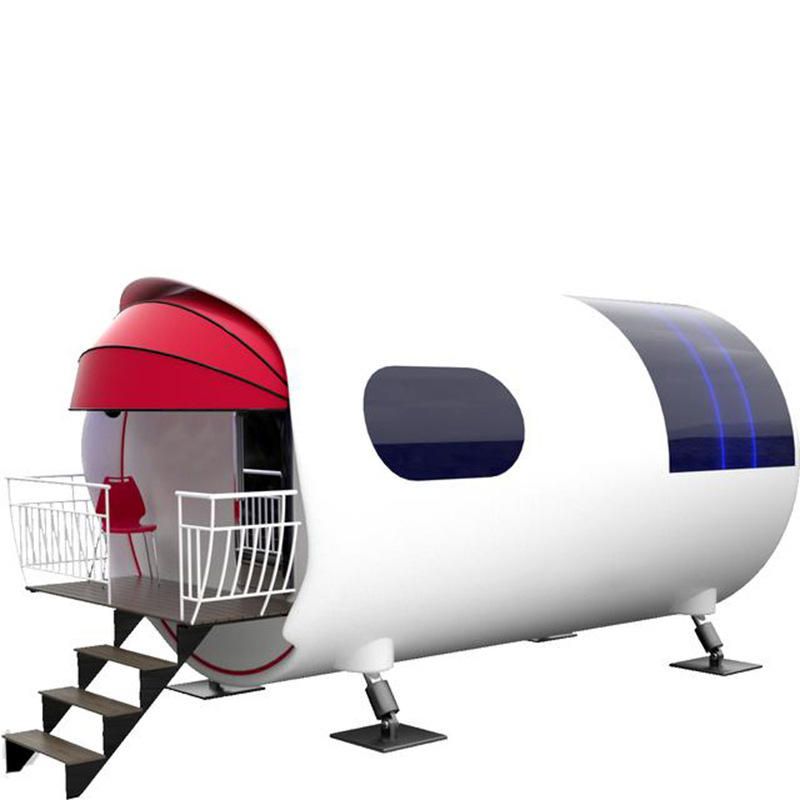
Dingli residential container houses are temporary or semi-permanent structures based on container modules, which are either modified or directly used as living spaces. They are characterized by reliable structure, easy installation, and economic and environmental friendliness. The following is an introduction from four aspects: product features, application scenarios, market trends, and purchasing advice.
Product Features
Residential container houses typically employ a lightweight steel structure frame paired with fire-resistant and thermal-insulating composite wall panels (such as rock wool sandwich panels and magnesium oxide boards). They possess properties including earthquake and wind resistance, moisture and fire prevention, and sound and heat insulation. The modular design supports rapid assembly and disassembly, with standard containers being stackable and expandable. Internally, they can be equipped with water and electricity interfaces, lighting, air conditioning, and sanitary facilities to meet basic living needs. Some high-end products also offer customized services such as glass curtain walls and personalized layouts to enhance comfort and aesthetics.
Application Scenarios
- Construction Sites: Used as worker dormitories, offices, or temporary warehouses to address living and office needs during project cycles.
- Emergency Relief: Quickly set up temporary living quarters after earthquakes, floods, and other disasters to ensure basic living conditions for affected populations.
- Commercial Use: Transformed into homestays, cafes, bookstores, etc., combined with creative designs to attract customers.
- Public Facilities: Utilized for street service kiosks, volunteer stations, traffic control stations, etc., to improve urban public service efficiency.
Market Trends
With the growing demand for temporary structures, the industry is shifting from simple container supply to competition in full-industry-chain solutions. High-quality enterprises integrate processes such as steel cutting, welding, and wall panel production to achieve quality control and cost optimization (with material utilization rates increasing by over 20%). For example, source manufacturers like Shandong Guoheng Intelligent Manufacturing Co., Ltd. have products that pass building safety inspections and are widely used in infrastructure projects, driving the industry towards safety, comfort, and environmental friendliness.
Purchasing Advice
- Verify Qualifications: Prioritize enterprises with construction industry qualifications and standardized production processes to ensure products meet national standards.
- Examine Materials: Pay attention to key indicators such as wall panel thickness, core material density, and steel structure welding processes to avoid low-quality products at low prices.
- Value Services: Confirm whether the manufacturer provides value-added services such as on-site hoisting, foundation treatment, and after-sales maintenance to reduce later maintenance costs.
- Compare Prices: Obtain quotes from multiple regions through platforms like 1688 and Made-in-China.com, and comprehensively evaluate cost-effectiveness considering transportation costs.



