
Dimensions of Biodegradable Mobile Toilets
The dimensions of biodegradable mobile toilets vary depending on the specific model and configuration, with common component and interior space dimensions as follows:
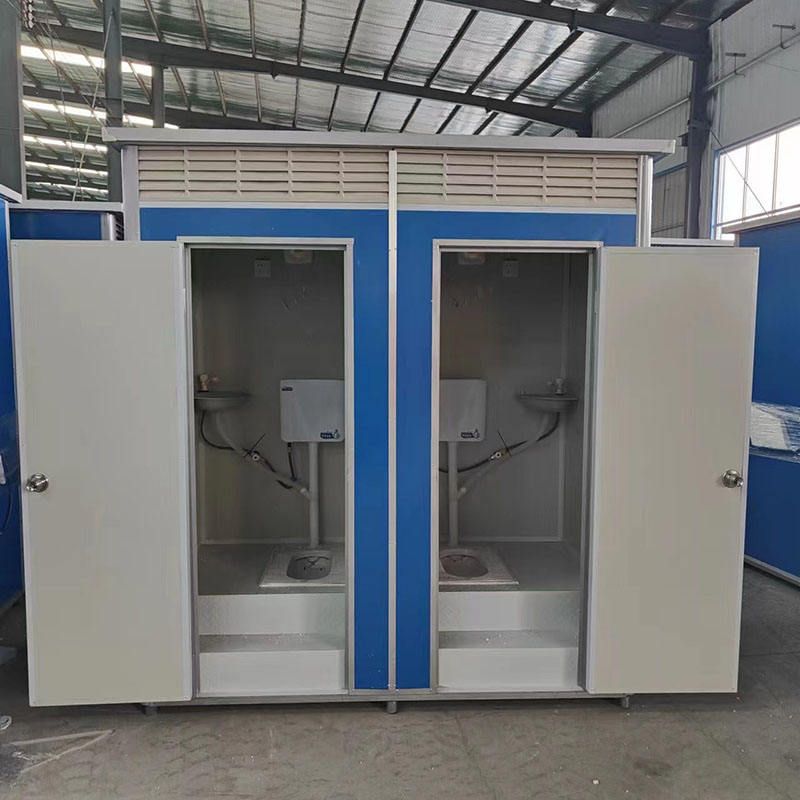
The dimension design of biodegradable mobile toilets needs to balance functionality and space utilization, with different component specifications adjusted according to the technical type and actual needs. The following explains from two dimensions: core components and interior space.
1. Toilet Fixture Dimensions
As the part that directly comes into contact with users, the dimensions of toilet fixtures need to conform to ergonomic standards. The common specification is 690mm (length) × 590mm (width) × 400mm (height). This size can accommodate adults using a sitting or squatting posture normally while leaving enough space to avoid a cramped feeling. Some models may be slightly adjusted on this basis, for example, increasing the width to enhance comfort or reducing the height to adapt to special scenarios (such as for children or in space-constrained areas).
2. Toilet Structure Dimensions
Taking a 304 stainless steel foot-operated opening and closing squat toilet as an example, its main body dimensions are 680mm (length) × 600mm (width), and the sewage outlet specifications are 250mm (length) × 200mm (width). The dimensions of the squat toilet need to match the toilet fixture frame to ensure stable installation; the design of the sewage outlet needs to meet the processing requirements of the biodegradation system. An overly large outlet may lead to a decrease in the microbial decomposition efficiency, while an overly small one may cause blockage risks.
3. Interior Space Dimensions
The interior space dimensions of microbial toilets directly affect the user experience. The common specification is 1.1m (width) × 1.3m (depth). This size can accommodate the basic facilities of a single toilet cubicle (such as toilet fixtures, fecal storage tanks, ventilation systems, etc.) while providing users with reasonable space for actions such as turning around and tidying up clothes. If barrier-free design is required (such as handrails and wheelchair turning space), the interior space dimensions may be expanded to more than 1.2m × 1.5m.
Factors Influencing Dimension Differences
The dimension differences of biodegradable mobile toilets mainly stem from the technical type (such as microbial degradation, foam sealing, etc.), usage scenarios (such as scenic spots, construction sites, emergency rescue, etc.), and user capacity requirements. For example, scenic spots with high foot traffic may adopt a multi-cubicle combined design, and the dimensions of a single cubicle need to be compressed to increase the overall capacity; while in emergency rescue scenarios, priority may be given to ensuring the space of a single cubicle to ensure rapid deployment and ease of use.
Summary
There is no unified standard for the dimensions of biodegradable mobile toilets, which need to be comprehensively determined according to the specific model, technical configuration, and usage scenario. When purchasing, it is recommended to combine actual needs (such as the number of users, space constraints, functional requirements, etc.) and refer to the detailed parameters provided by the manufacturer for selection.



