
Dianjiang Construction Site Portable Toilet Customization
Portable toilets for construction sites in Dianjiang can be customized according to specific usage scenarios and requirements, with common customization parameters including size, material, and internal configuration. The following provides an in-depth explanation from different dimensions:
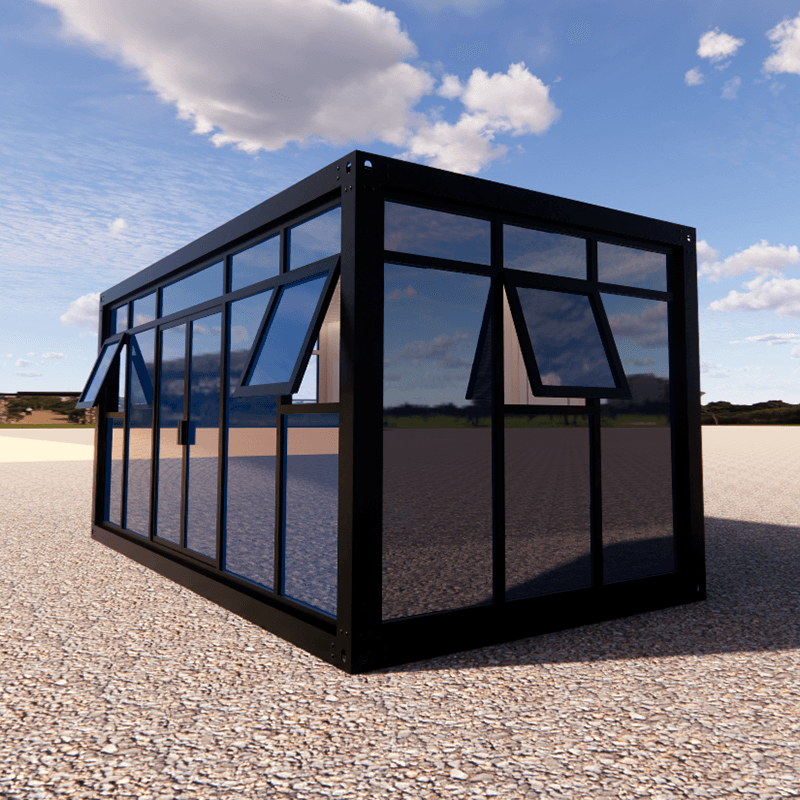
In terms of size customization, the width of a single portable toilet typically ranges from 1.0 to 1.2 meters, the depth from 1.0 to 1.5 meters, and the height from 2.0 to 2.5 meters. This range can meet the basic usage needs of a single person while also considering the convenience of transportation and installation. If multiple units need to be combined, the overall width will expand with the increase in the number of squatting positions. For example, the width of a double-squatting-position toilet is approximately 2.0 to 2.4 meters, with the specific value adjusted according to the actual layout of the squatting positions. For the special needs of certain groups, the customization of barrier-free toilets must strictly follow regulations, with a width of no less than 1.5 meters and a depth of no less than 1.8 meters to ensure sufficient turning space for wheelchairs and a reasonable layout of internal facilities.
Regarding material selection, color-coated steel sheets are often used in ordinary construction site scenarios due to their low cost and strong corrosion resistance. Metal carved panels combine aesthetics and durability, making them suitable for projects with high appearance requirements. Steel structure frames are advantageous for their structural stability and strong load-bearing capacity, suitable for long-term use or construction sites with high foot traffic. Material selection requires a comprehensive consideration of budget, usage cycle, and environmental adaptability. For example, in humid areas, materials with better rust resistance can be preferred.
In terms of internal configuration, basic configurations include squatting pans, handwashing basins, lighting systems, and ventilation devices, which can meet basic hygiene needs. If the construction site environment is complex or the usage frequency is high, the configuration can be upgraded to enhance the user experience: for example, installing air conditioning systems to regulate indoor temperature and avoid the impact of high or low temperatures on usage; adopting smart sensor faucets and automatic flushing devices to reduce manual operations and lower maintenance costs; adding storage cabinets, hooks, and other detailed designs to improve practicality. Some high-end models can also be equipped with deodorization systems and emergency call devices to further enhance functionality and safety.
During customization, it is necessary to consider the actual needs of the construction site, such as the number of personnel, usage frequency, and project duration, and communicate with the supplier to determine a specific plan to ensure a balance between the functionality, economy, and applicability of the portable toilets.



