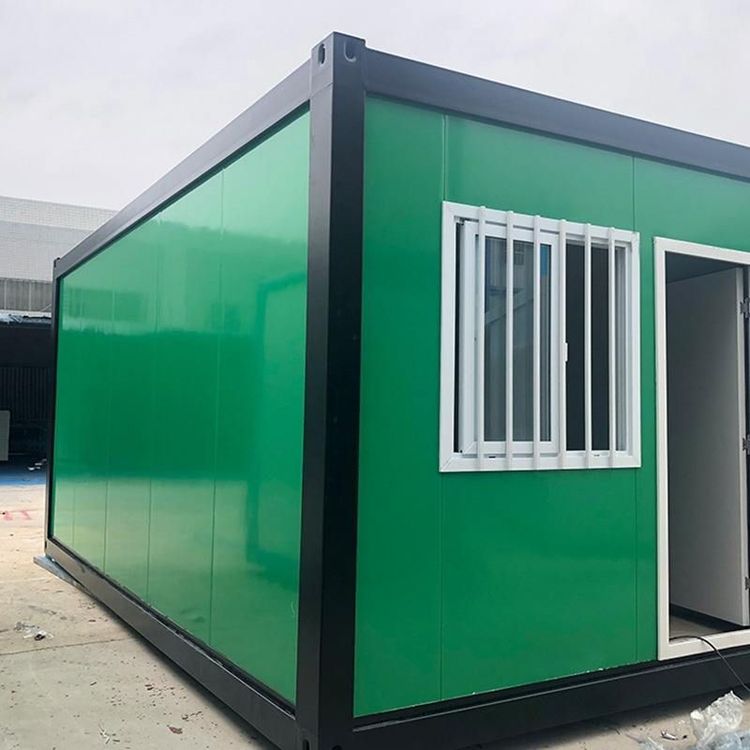
Development History of Mobile Toilets
The development of mobile toilets has undergone an evolution from simplicity to complexity, from inefficiency to efficiency, and from single-function to multi-function, which can be mainly divided into the following stages:

Initial Stage: Simple Materials and Structure, Limited Sanitary Conditions
Early mobile toilets primarily used wood, plastic, or simple metals as materials, featuring a single-unit structural design with limited functionality and lacking a sewage disposal system. Their internal space was narrow, prone to absorbing odors, and required manual regular removal of waste, leading to unstable sanitary conditions and high risks of environmental pollution. These toilets mainly relied on manual maintenance, making it difficult to meet the needs of large-scale or long-term use.
Development Stage: Material Upgrades and Modular Design
With advancements in material science, corrosion-resistant materials such as fiberglass-reinforced plastic and polyethylene gradually replaced traditional materials, while the application of metal alloys and polymer composites significantly enhanced structural stability. Modular design emerged as a key breakthrough, enabling rapid assembly and disassembly through prefabricated components to adapt to changes in construction site locations. Although sewage disposal methods remained primarily collection-based, improved sealing performance reduced odor leakage and the risk of pollutant overflow.
Technological Innovation Stage: Introduction of Water Recycling and Biodegradation Technologies
The introduction of water recycling technology enabled mobile toilets to reuse flushing water a limited number of times, reducing reliance on external water sources through miniaturized water treatment units. Biodegradation technology, on the other hand, utilized microorganisms to decompose solid waste, reducing residue and the frequency of waste removal. The combination of these two technologies gradually shifted mobile toilets away from complete dependence on external services towards autonomous operation modes.
Intelligent and Multi-functional Integration Stage
Sensor monitoring systems can track fill levels, water usage, and equipment malfunctions in real-time, transmitting data wirelessly to management platforms for on-demand maintenance. Solar power systems enable stable operation in areas without grid access. Additionally, some mobile toilets now include changing areas, handwashing and disinfection devices, and barrier-free access, with internal spaces optimized based on ergonomics to balance user experience and size control, marking a transition from single to multi-functional capabilities.
Environmental Adaptation and Sanitary Standard Enhancement Stage
In response to different climatic and topographical conditions, mobile toilets have improved adaptability through technological advancements: insulation layers and anti-freezing drainage designs are added in cold regions, ventilation and anti-mold treatments are enhanced in hot and humid areas, and reinforced foundations and balance adjustment devices are used in special geological sites. Meanwhile, the widespread adoption of ultraviolet disinfection, ozone sterilization technologies, and touchless flushing systems has brought sanitary levels close to those of fixed buildings, significantly reducing the risk of cross-infection.
Energy Optimization Stage: Low-consumption Technologies and Resource Recycling
Low-flow flushing technology reduces single-flush water consumption to extremely low levels, LED lighting systems minimize power consumption, and wastewater heat recovery units enhance energy efficiency. These technologies enable mobile toilets to maintain normal operation under resource-limited conditions, further promoting their development towards green and sustainable directions.