
Depreciation Period of Mobile Toilets
The depreciation period of mobile toilets is not a fixed value and is generally influenced by factors such as material quality, usage frequency, maintenance, and environmental conditions. The actual service life of environmentally friendly mobile toilets is generally not less than 15 years, but the specific period needs to be comprehensively judged based on actual circumstances.
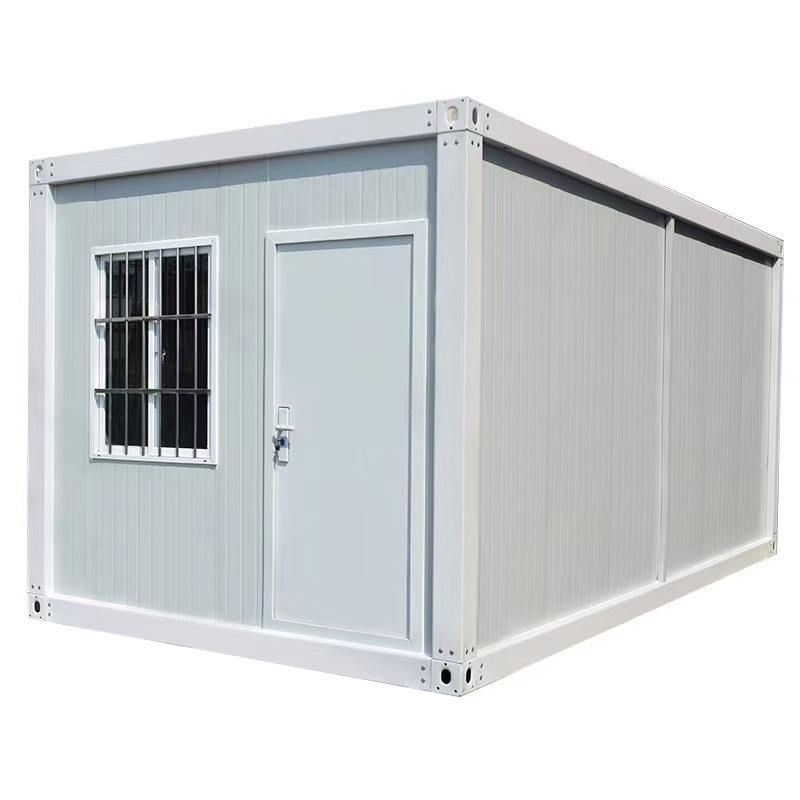
Material quality is the fundamental factor determining the depreciation period.
High-quality materials such as stainless steel, specially coated steel, or corrosion-resistant alloys can significantly enhance the anti-aging capabilities of mobile toilets. For example, mobile toilets made of ordinary steel may experience severe corrosion within 3-5 years in humid or salt-spray environments, while similar products made of stainless steel or with anti-corrosion coatings can have their service life extended to over 10 years. Material selection directly affects initial costs and long-term durability. Although high-quality materials increase initial investment, they can reduce overall costs by extending service life.
Usage frequency and load directly affect the wear rate of the equipment.
In places with high foot traffic (such as music festivals and sports event venues), mobile toilets can be used hundreds of times a day. High-frequency usage accelerates the wear and tear of components such as door locks, hinges, and sewage systems. In such scenarios, the depreciation period of the equipment may be shortened by 2-3 years compared to normal usage scenarios. Long-term overloading (such as exceeding the designed carrying capacity) may also cause structural deformation or system failures, further shortening the service life.
Maintenance is the key means to extend the depreciation period.
Regular maintenance (such as quarterly cleaning, lubrication of mechanical parts, and inspection of sealing) can effectively delay equipment aging. Data shows that mobile toilets that undergo four comprehensive maintenance sessions per year have a service life that is 2-5 years longer than those without maintenance, with a depreciation period of 8-10 years. Maintenance should cover structural inspections, component replacements, anti-corrosion treatments, etc. Neglecting maintenance may lead to the accumulation of minor problems into major failures, significantly shortening the equipment's service life.
The impact of environmental conditions on the depreciation period cannot be ignored.
Harsh environments such as high temperatures, high humidity, strong winds, and acid rain can accelerate material aging. For example, in coastal areas, salt-spray corrosion may shorten the service life of metal components by 30%-50%; in desert areas, strong winds and sand may wear down the outer coating and reduce waterproof performance. Designing protective measures for different environments (such as adding anti-corrosion coatings and optimizing sealing structures) can effectively improve equipment adaptability and extend service life.



