Demountable Container House
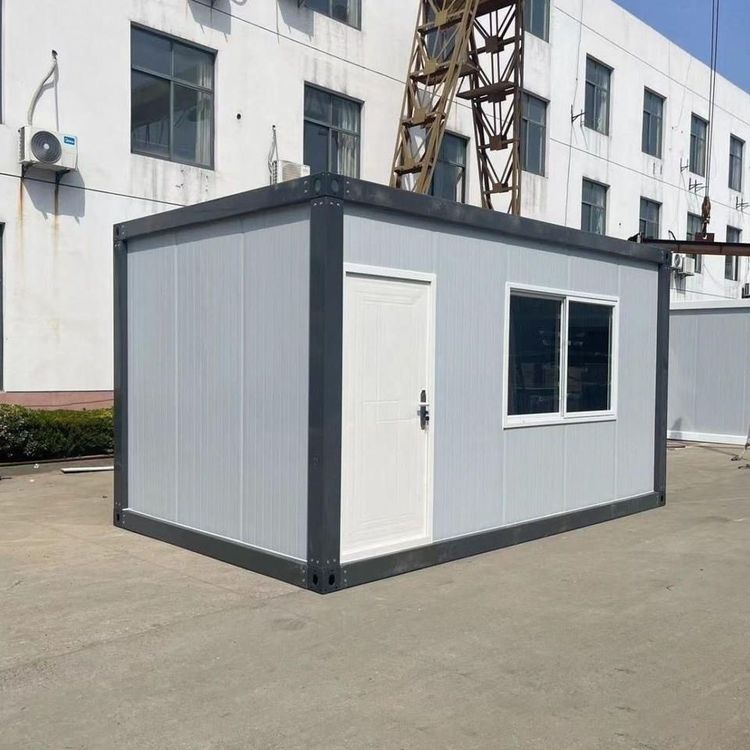
Container houses are demountable. The following provides a detailed introduction from the perspectives of design principles, practical applications, and disassembly advantages:

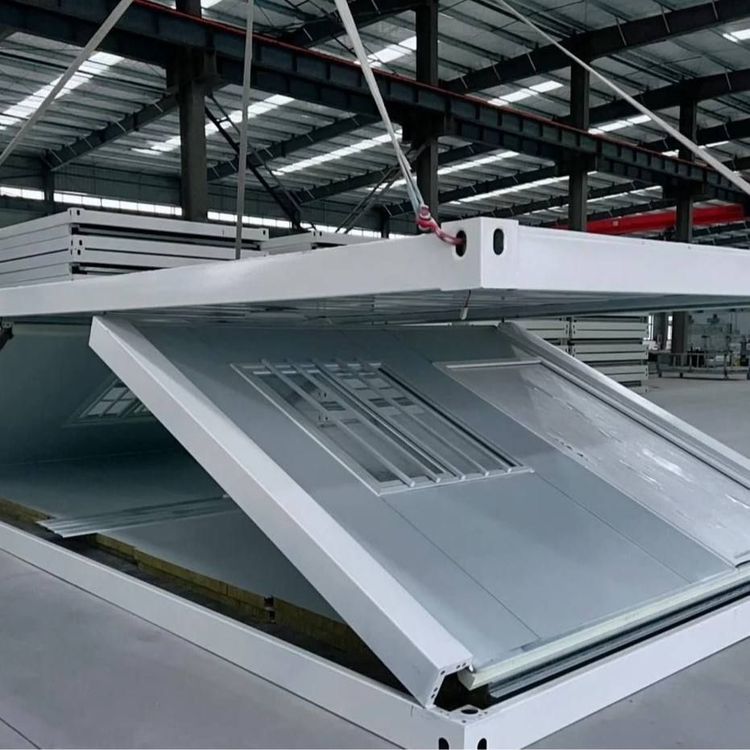
Design Principles Supporting Disassembly: Container houses originate from the redesign and transformation of standard shipping containers, adopting a modular design concept. This design divides the house into multiple standardized modules, which are assembled using specific connection methods, much like building with blocks. For example, the bottom, top, and four sides of the house can be produced simultaneously on multiple sub-production lines and then assembled into a complete container at the end of the production line. This modular structure allows for the rapid disassembly of container houses by reversing the assembly process and separating each module one by one when needed.
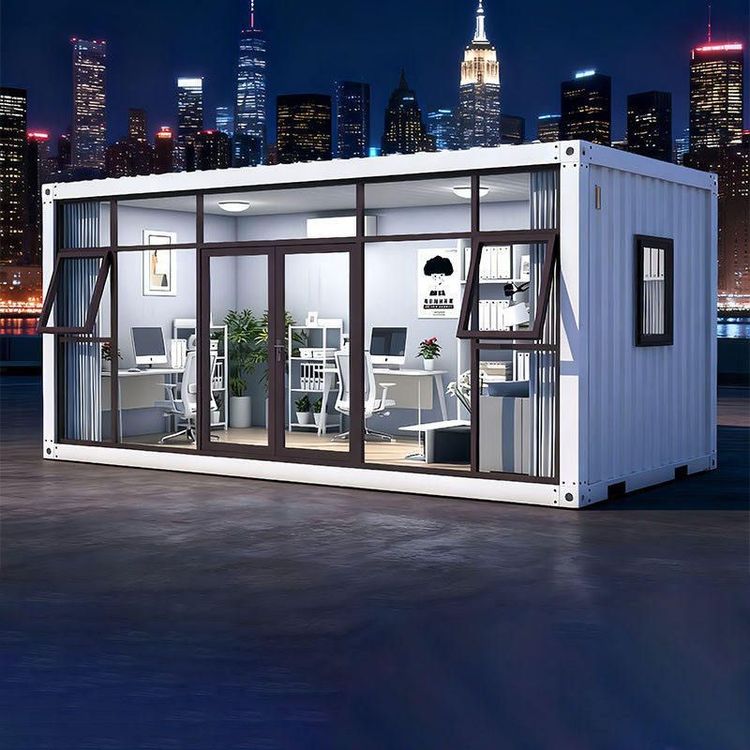
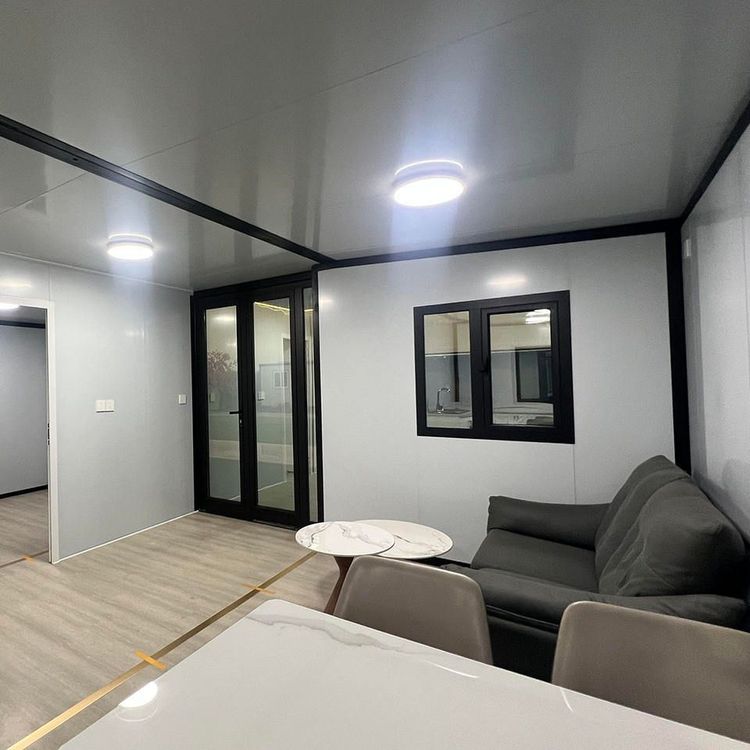
Practical Applications Reflecting Disassembly Characteristics: In practical applications, the disassembly characteristics of container houses are widely demonstrated. Take engineering camps as an example; due to the cyclical and mobile nature of engineering projects, engineering camps often need to be relocated to different construction sites. Container houses can be quickly assembled and disassembled, facilitating easy relocation to different locations, making them highly suitable for such scenarios. Additionally, in the cultural tourism and emergency response sectors, container houses are favored for their dismountability. In cultural tourism projects, container houses can flexibly adjust their layout and position according to different seasons and event requirements; in emergency situations, they can be rapidly erected and disassembled to meet temporary living and office needs during emergencies.
Significant Disassembly Advantages: The dismountability of container houses offers numerous advantages. On the one hand, it supports multiple cycles of assembly and disassembly. Under standardized use and regular maintenance conditions, top-tier compliant products can achieve an average of more than 8 cycles of assembly and disassembly, significantly reducing usage costs. On the other hand, compared to traditional fixed temporary buildings, container houses can reduce construction waste emissions by approximately 90% after disassembly, resulting in higher resource utilization and aligning with domestic policies on circular economy and green construction.