Back to blog
Article
Dawukou Container House
Admin September 15, 2026
Information about container houses in Dawukou area can be referred to as follows:

I. Types and Characteristics of Container Houses
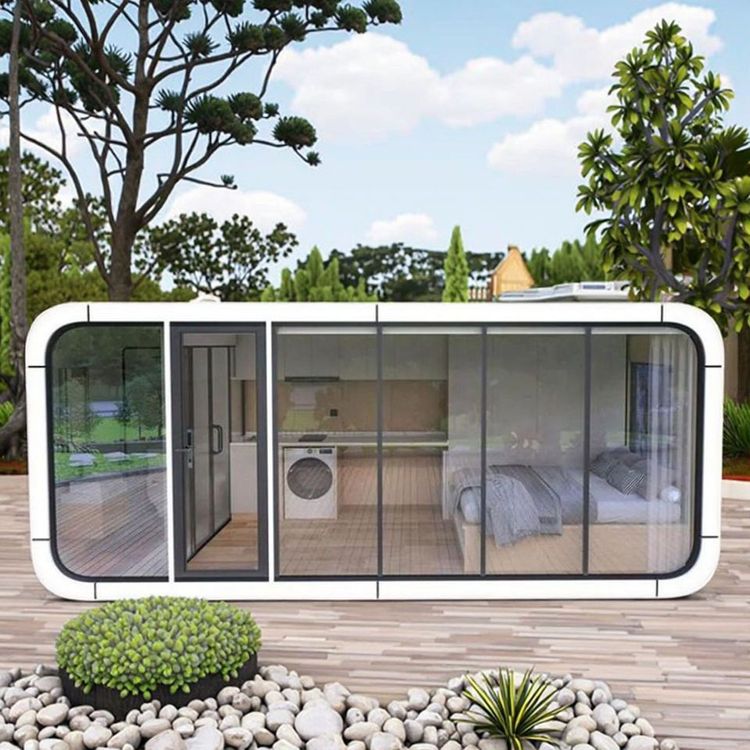
Container houses are mainly divided into types such as standard container houses, foldable container houses, and packing-box container houses. Their core characteristics include:
- Modular Design: Utilizing standardized interfaces, they support rapid hoisting and repeated use, adapting to the needs of construction sites, emergency situations, cultural tourism, and other scenarios.
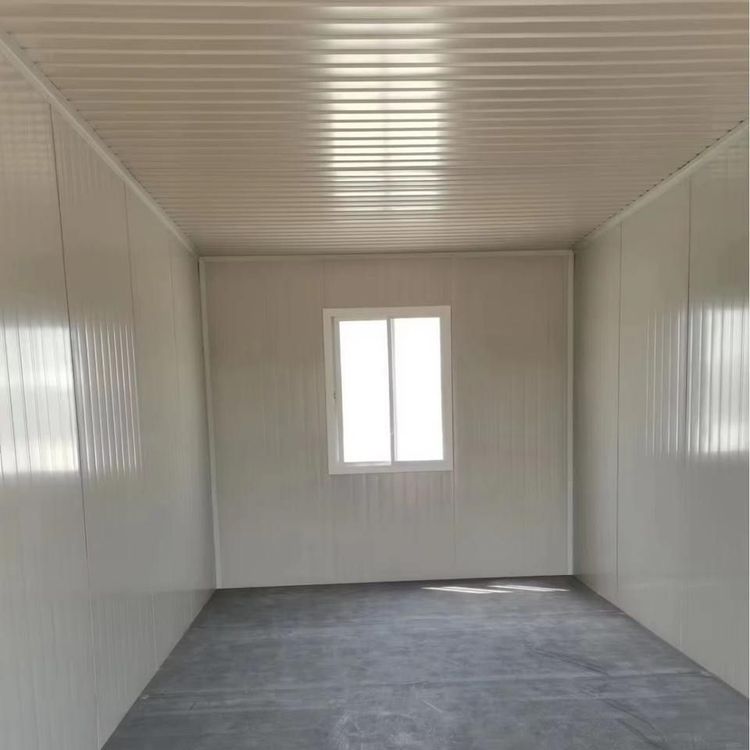
- Structural Safety: They feature a load-bearing framework composed of high-strength cold-rolled steel plates or galvanized steel beams and columns, filled with fire-resistant insulation materials such as rock wool and polyurethane. They can withstand wind speeds of up to 12 levels and meet the national standard for Class A non-combustible fire resistance.
- Flexible Expansion: They can be used independently as a single unit or combined and stacked with multiple units to fit different land conditions.
- Environmental Protection and Economy: The all-bolt connection design supports non-destructive disassembly and assembly, with a material recovery rate exceeding 85%. Construction generates no dust or noise emissions, meeting the requirements of green construction site management.
II. Application Scenarios
- Municipal Infrastructure: Temporary command centers for road construction and worker dormitory areas.
- Commercial Development: Sales offices, security guard posts, and material warehouses.
- Emergency Disaster Relief: Temporary shelters and material distribution centers after disasters.
- Cultural Tourism and Camping: Mobile restrooms, scenic guesthouses, and tourist service centers.
- Industrial Parks: Quality inspection rooms, workshop duty rooms, and cold chain transit rooms.
III. Purchase Recommendations
- Steel Thickness and Material: The main frame wall thickness should be ≥1.5mm, using national standard carbon steel of Q235B or above. Avoid false labeling of wall thickness and verify the factory inspection report.
- Panel Fire Rating: The sandwich material should meet the Class A non-combustible standard with an oxygen index ≥32, and a fire safety certificate should be provided. The use of flammable sandwich panels is strictly prohibited.
- Node Connection Process: Prefer high-strength bolts or full-welding reinforcement to ensure gap tightness and avoid on-site welding operations.
- Environmental Protection and Compliance: Confirm that the product complies with national standards such as GB/T 8624-2012, with no dust or noise emissions during construction and controlled waste disposal.