
Dawei Talks About Overseas Prefabricated Houses
China's prefabricated houses have witnessed explosive growth in overseas markets and have become the dominant force in the global prefabricated housing sector. The core driving forces stem from the resonance of cost, efficiency, and industrial upgrading, coupled with a surge in global demand for rapid and flexible building solutions.
Cost Advantage: Breaking Traditional Construction Cost Barriers
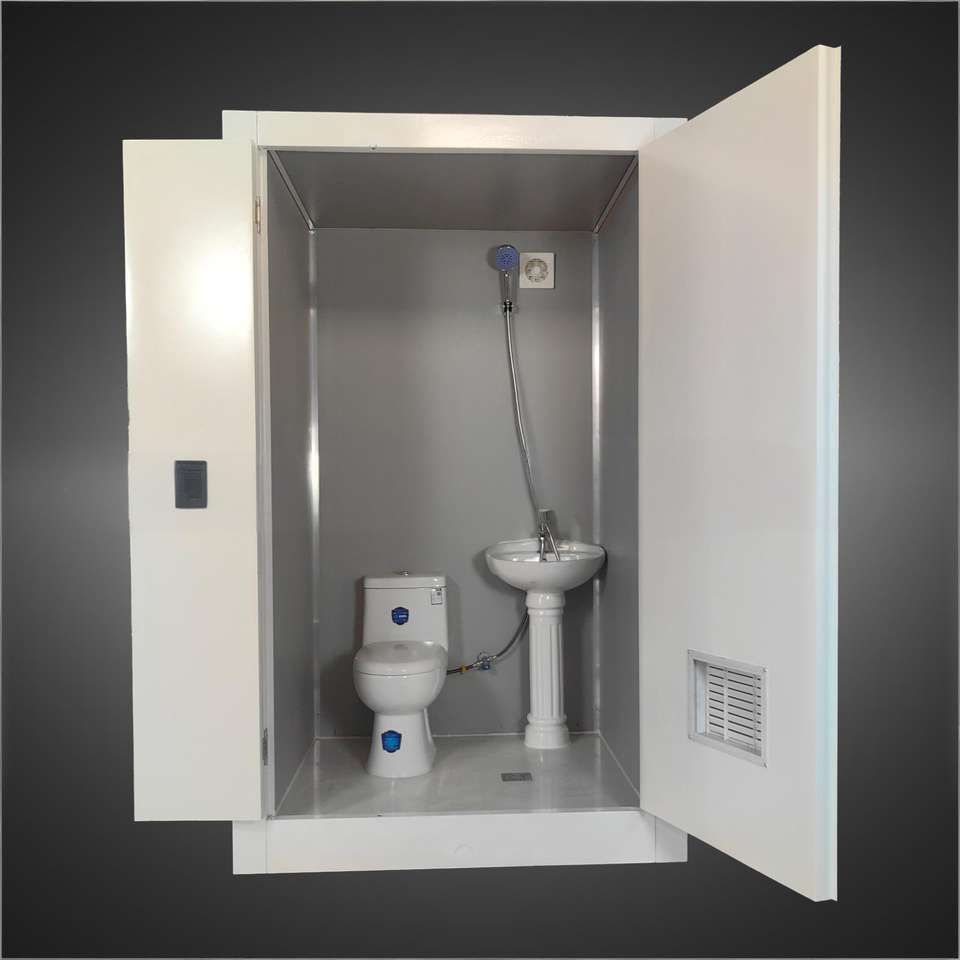
High wages for construction workers in Europe and the United States (e.g., skilled workers in the US earn $500 per day and there is no overtime culture) have led to persistently high traditional construction costs. Chinese prefabricated houses are produced on factory assembly lines, with over 90% of the processes completed domestically, and only require hoisting and connection on overseas sites, reducing overall costs by more than 60%. For example, a prefabricated house costing 200,000 RMB (including fine decoration and water and electricity piping) in China would only be enough to 'build a toilet' in the US, while traditional construction costs would be at least one million RMB. This cost advantage has enabled rapid penetration into overseas mid-to-low-end markets and gradual extension into high-end markets.
Efficiency and Quality: Industrial Production Reshaping Construction Logic
Prefabricated houses reduce on-site labor by 70% and shorten overall construction periods by more than one-third. For instance, a hotel project in Papua New Guinea that would have taken 14-18 months with traditional construction was completed in just a few months using a modular approach; a UK retirement apartment project had 63 modules hoisted into place within two weeks. Meanwhile, China's complete industrial chain supports large-scale industrial production, achieving standardization from steel structures to interior decoration, ensuring controllable quality and resolving quality issues caused by manual errors in traditional construction.
Global Demand Changes: Driven by Rapid Delivery and New Lifestyle Trends
Projects worldwide, such as hotels, retirement homes, and data centers, are pursuing rapid completion; scenarios like disaster relief housing, mining area support facilities, and overseas urbanization construction have a huge demand for modular buildings. Additionally, prefabricated houses break the bond between 'home' and 'real estate', supporting new lifestyles such as digital nomads and migratory families (e.g., the cost of moving across cities is as low as 'changing houses like changing mobile phones'), further expanding market demand.
Industrial Upgrading and Technological Iteration: From 'Selling Building Materials' to 'Selling Finished Houses'
China's prefabricated housing industry has upgraded from low-end temporary structures (e.g., construction site dormitories) to high-end permanent buildings (e.g., star-rated hotels and residences), with customer groups expanding to multinational real estate groups, government housing departments, and tech giants. Through intelligent construction parks (e.g., Longgang, Shenzhen), a fully equipped building module is produced every 20 minutes, with efficiency approaching that of automotive assembly lines, making technological iteration a key factor in core competitiveness.



