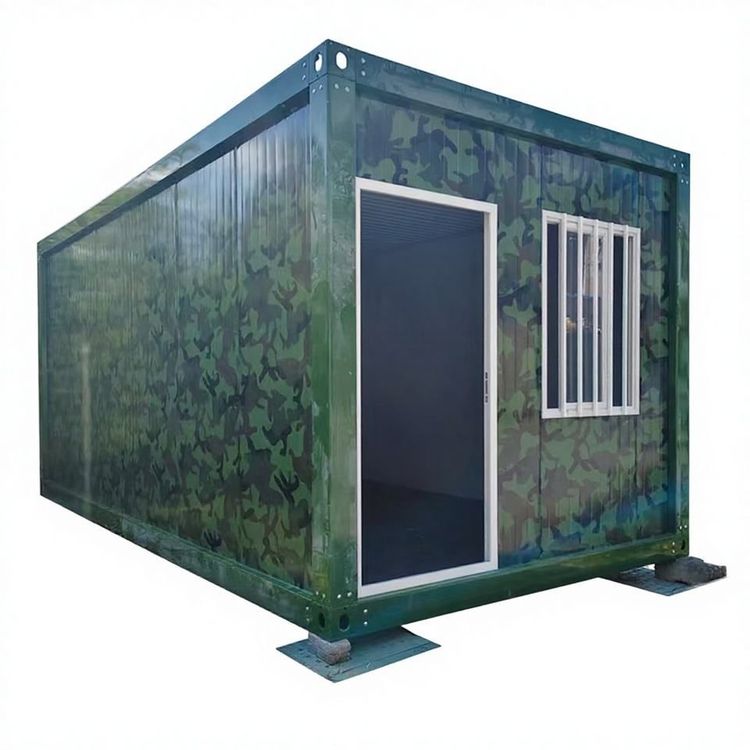
Dangyang Construction Site Portable Toilet
The configuration and management of portable toilets at construction sites in Dangyang must adhere to relevant Hubei Province regulations, covering key aspects such as configuration ratios, location selection, daily maintenance, and evaluation of rental service providers.

I. Configuration Ratios and Gender Requirements
According to the Hubei Province Environmental and Sanitation Standards for Construction Sites, the configuration of portable toilets at construction sites should be dynamically adjusted based on the number of workers. At least one standard stall should be provided for every 50 people, with strict separation between male and female facilities. It is recommended that the number of female stalls exceeds that of male stalls, with a ratio of approximately 1:1.5, to reduce waiting times for women. For example, if a construction site has 200 workers, at least four stalls are required, with three recommended for women and one for men.
II. Special Areas and Comfort Requirements
In special scenarios such as high-temperature work areas and densely populated zones, additional barrier-free portable toilets or products with ventilation systems should be provided. Barrier-free toilets must meet design requirements for wheelchair access space and handrails; ventilation systems can effectively reduce odors and enhance user comfort. Additionally, the interior of the toilets should be equipped with lighting, non-slip flooring, and emergency call devices to ensure safety.
III. Location Selection and Pollution Prevention
The siting of portable toilets should be away from construction dust zones and living areas, maintaining a safe distance of over 30 meters from canteens and dormitories to prevent pollution spread. Simultaneously, they should avoid low-lying areas prone to water accumulation to prevent sewage backflow during the rainy season. If site conditions are limited, enhanced protection measures such as raising the base or adding drainage ditches should be implemented.
IV. Daily Maintenance and Seasonal Management
Daily cleaning by dedicated personnel should be conducted at least twice, including wiping surfaces, emptying waste, replenishing toilet paper and hand soap, and using chemical deodorizers or plant-based fragrances to improve odors. Regular inspections should be carried out to check the integrity of facilities, with damaged components repaired within 24 hours. Before the rainy season, focus on inspecting the bottom seal to prevent leakage; during winter, pipes should be insulated to prevent freezing and cracking.
V. Key Points for Evaluating Rental Service Providers
If opting for rental services, a comprehensive assessment of the service provider's technical capabilities, qualification background, past cases, and service responsiveness is necessary. For example, Wuhan Fengge Industrial Co., Ltd. provides self-owned asset portable toilets, emphasizing "cleanliness and odor-free" conditions, supporting diverse sewage disposal solutions, adopting modular designs for easy transportation and disassembly, and committing to 24/7 service responsiveness, serving as a reference case.
Through scientific configuration, standardized maintenance, and strict management, the functionality and hygiene of construction site portable toilets can be ensured, safeguarding the health and work efficiency of construction personnel.