
Mobile Toilets for Dancing Parties
Mobile toilets used in dancing parties fall under the category of outdoor mobile public toilet rental services, providing temporary sanitation facility solutions with features such as modular design, eco-friendly technology configurations, and customized services.
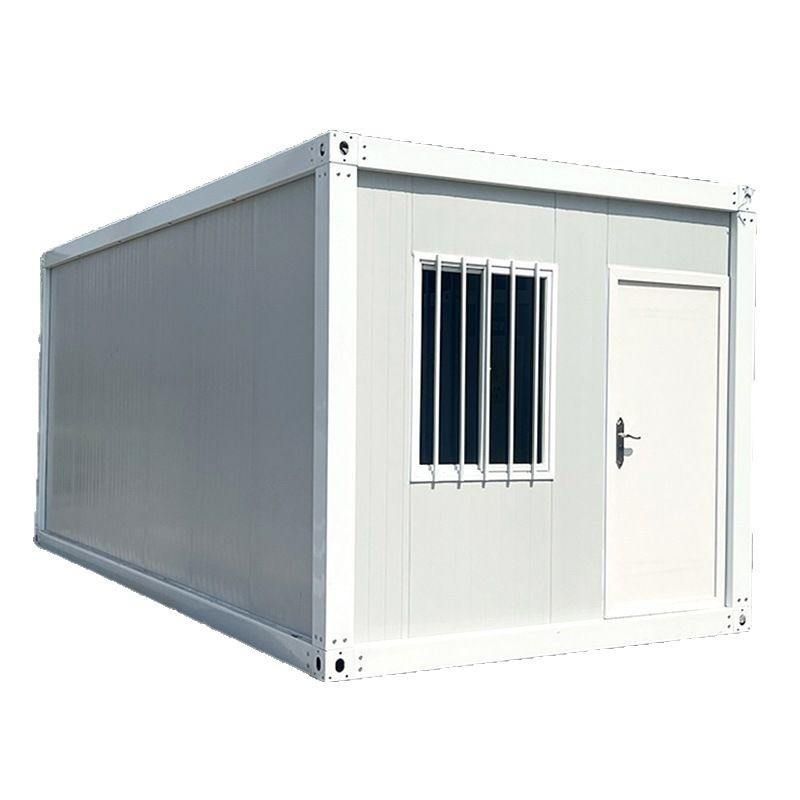
I. Core Functions and Service Models
Mobile toilet rental services offer comprehensive sanitation facility support for large-scale events (such as music festivals, dancing parties, etc.), with a product line covering the full range from basic urinals to high-end composite toilets. Their core advantages lie in mobility and modular combination, allowing flexible adjustment of quantity and layout based on venue size. Service models are divided into standard packages and premium packages:
- Standard Package: Includes basic cleaning and maintenance, supply replenishment (such as toilet paper, disinfectant), and regular inspections to ensure basic functionality of the facilities.
- Premium Package: Adds a fragrance system, background music playback, and dedicated service personnel on top of standard services, elevating the user experience to a level close to that of fixed restrooms.
II. Technological Configurations and Intelligent Management
Modern mobile toilets integrate multiple eco-friendly and intelligent technologies:
- Ventilation and Cleaning Systems: Equipped with intelligent ventilation devices (such as negative pressure exhaust) and automatic sensor-activated flushing equipment to reduce odors and contact contamination; some high-end models use ultraviolet disinfection lamps for timed sterilization of toilet surfaces.
- IoT Monitoring: Real-time monitoring of usage frequency, supply levels, and equipment status through GPS positioning and sensors, supporting remote scheduling of maintenance teams to ensure 24-hour emergency response.
- Sewage Treatment Solutions: Diverse options are provided based on event needs, including water-flush types (requiring connection to municipal sewage networks or storage tanks), waterless suction types (relying on vacuum pumps for fecal transport), recirculating water-flush types (purifying sewage for reuse through biodegradation technology), and dry packing types (using biodegradable bags to collect waste without water).
III. Structural Design and Material Selection
The structural design of mobile toilets balances mobility convenience and outdoor adaptability:
- Structural Types: Divided into single-unit types (independent units suitable for small-scale events) and composite types (multi-unit combinations that can form functional areas such as restrooms and management rooms).
- Mobility Methods: Selection based on weight and venue conditions includes hoisting types (requiring lifting equipment), handling types (manual or small machinery movement), or powered trailer types (with built-in axles, towable by vehicles).
- Material Craftsmanship: The main frame uses lightweight steel, with walls made of color-coated steel plates (corrosion-resistant) or fiberglass-reinforced plastic (impact-resistant). The floor is laid with non-slip tiles and features drainage channels to ensure stable operation in rainy conditions or high-traffic scenarios.
IV. Eco-Friendly and Economic Principles
The design of mobile toilets strictly adheres to ecological standards:
- Resource Conservation: Recirculating water-flush types reduce water consumption through microbial degradation technology, while dry packing types require no water at all, making them suitable for water-scarce regions.
- Durability: Modular components allow for quick replacement and repair, extending the overall service life and reducing long-term usage costs.
- Adaptability: By adjusting sewage treatment methods and energy supply (such as solar panel power), they meet the requirements of different regions and environmental regulations.



