
Back to blog
Article
Daming Container House Construction
Admin September 13, 2026
Daming container house construction is a new building form based on the reuse of shipping containers combined with modern home design. It features structural stability, easy mobility, and environmental energy efficiency, and is widely used for temporary housing, commercial spaces, and emergency scenarios, though challenges such as thermal insulation and fire safety must still be addressed.
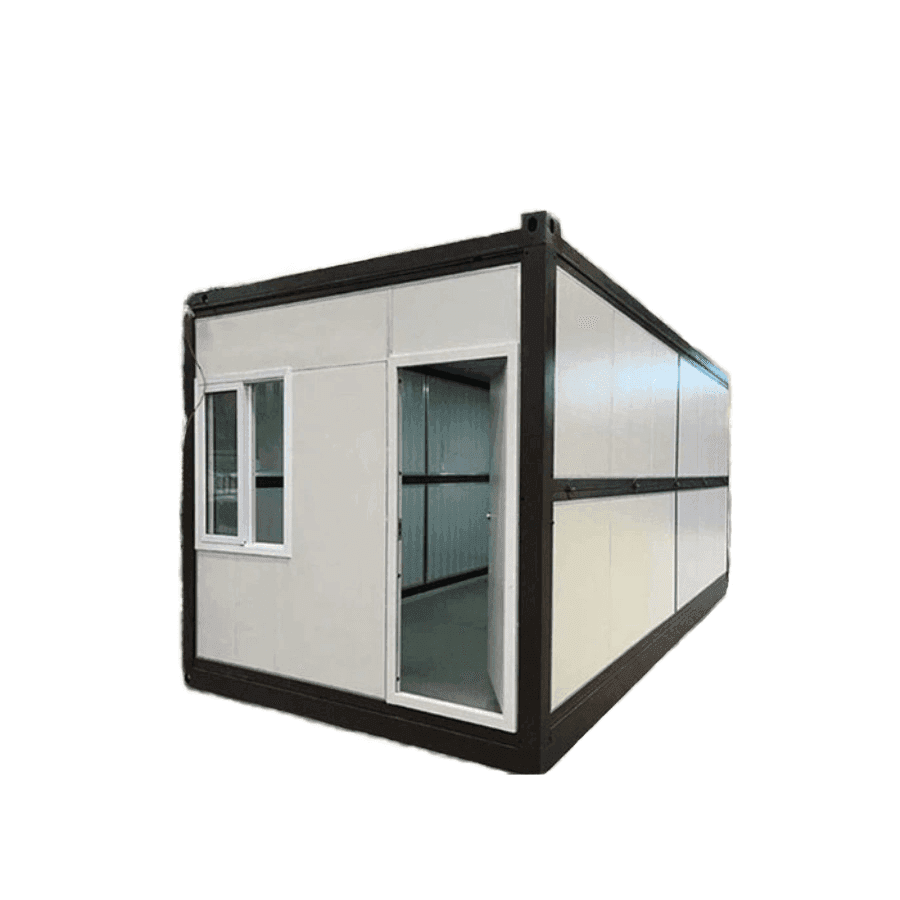
Origins and Features Daming container houses originate from the renovation and reuse of discarded shipping containers. By combining standardized containers with modern building technology, they create livable or usable space. Their core features include:
- Structural stability: Containers themselves are made of high-strength steel and can bear substantial loads, making them suitable as the main structural system of a building.
- Easy mobility: Modular design allows them to be quickly relocated by lifting and transport, meeting temporary or mobile-use needs.
- Environmental energy efficiency: Reusing old containers reduces construction waste, while energy-saving materials help lower energy consumption.
Application Scenarios
- Temporary housing and emergency scenarios: In disaster relief and field operations, container houses can be rapidly set up as temporary shelters or command centers to provide basic living support.
- Distinctive urban spaces: Converted into creative offices, art studios, or cafes, they use the industrial style of containers to create a unique commercial atmosphere.
- Rural and remote areas: Used as tourism guesthouses or temporary residences, they help address inadequate infrastructure in remote areas while lowering construction costs.
Advantage Analysis
- Sustainability: Using eco-friendly materials (such as recycled steel and low-VOC coatings) reduces carbon emissions and aligns with green building trends.
- Cost-effectiveness: Compared with traditional construction, container houses skip steps such as foundation work, cutting construction costs by 30%-50%, while supporting personalized customization and modular combinations.
- Flexibility: Construction cycles are short (typically 1-2 weeks), enabling quick responses to emergencies or temporary needs such as exhibitions and site dormitories.
Related Companies and Solutions
- Jinhua Xin'an Steel Structure Engineering Co., Ltd.: Provides personalized design for used containers, covering full-process services from production to installation, and supports customization for commercial and residential scenarios.
- Handan Hanshan District Hualun Trading Co., Ltd. (Xingda Color Steel): Specializes in custom container mobile houses; products include color-steel mobile houses and Handan containers, suitable for construction sites, disaster areas, and similar scenarios.
Challenges Faced
- Thermal insulation: Metal boxes conduct heat strongly, so performance must be improved by adding insulation layers such as rock wool or polyurethane, or by using double-wall structures.
- Fire safety: Fire-retardant coatings or flame-retardant materials should be used, and electrical wiring design optimized to reduce fire risk.
- Codes and standards: In some regions, clear rules on container-house use and approval processes are lacking, so related policy support needs to be improved.



