
Customized Mobile Toilets for Public Places
There are multiple options and features for customized mobile toilets in public places, which are introduced from different aspects below:
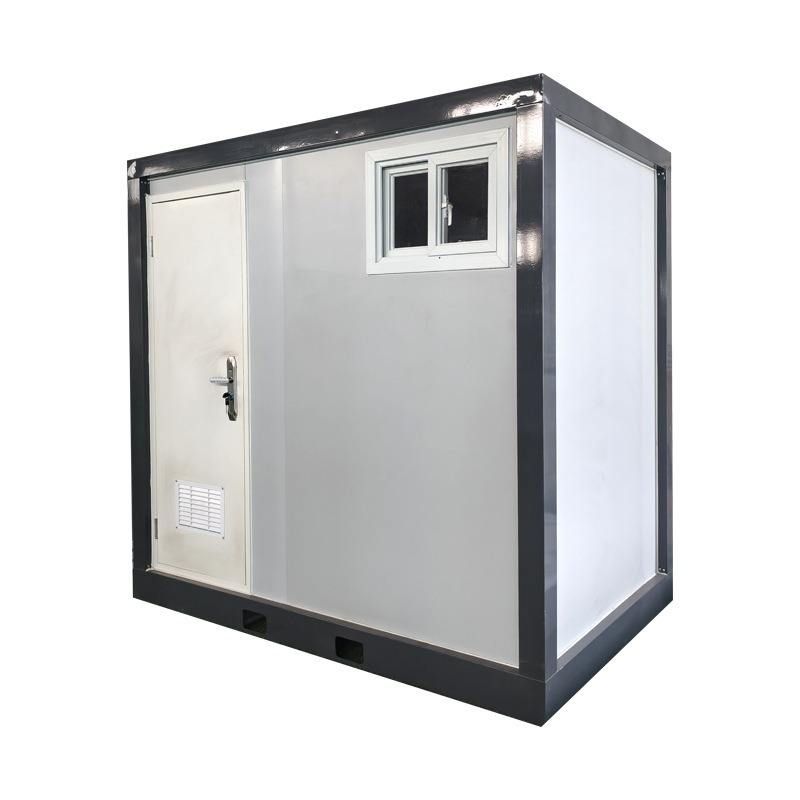
I. Materials and Basic Configurations Some factories use shipping containers to build mobile toilets. This material is sturdy and durable, suitable for use in various locations such as public places, scenic spots, commercial districts, factories, and construction sites. The interiors are often decorated with carbon crystal panels, which are not only aesthetically pleasing but also easy to clean. Multiple toilet compartments can be configured to meet the foot traffic demands of different venues. Once all configurations are installed, the toilets can be put into use simply by connecting water and electricity supplies, making installation quick and efficient.
II. Styles and Functional Customization Some manufacturers have been specializing in the field of mobile toilet customization for many years, offering a wide range of styles, including antique, modern minimalist, and cartoon styles, which can be selected according to the overall style and needs of public places. Functional configurations can also be customized based on actual requirements, such as whether to include a baby care room or barrier-free facilities. Finished products are delivered with fine decoration and one-stop services, eliminating the need for customers to install and debug them themselves, saving time and effort.
III. Structures and Mobility Methods Mobile toilets can be classified into single-unit and composite-structure mobile toilets based on their structural forms. Single-unit mobile toilets are relatively independent and suitable for venues with limited space; composite-structure mobile toilets are composed of multiple single units and can meet larger-scale usage demands. Based on mobility methods, they can be divided into lifting/handling mobile toilets and powered/trailer-mounted mobile toilets. Lifting/handling mobile toilets are suitable for short-distance relocation; powered/trailer-mounted mobile toilets can be towed by vehicles for long-distance relocation, offering greater flexibility.
IV. Sewage Treatment Methods According to sewage treatment methods, mobile toilets can be categorized into flush and non-flush suction-type mobile toilets, circulating flush-type mobile toilets, and dry-packing mobile toilets. Flush and non-flush suction-type mobile toilets are suitable for venues with water sources and sewage pipelines; circulating flush-type mobile toilets can recycle sewage, conserving water resources; dry-packing mobile toilets do not require water sources or sewage pipelines, with feces being packed for disposal, making them suitable for water-scarce or sewage-free venues.
V. Other Features The appearance of customized mobile public toilets can seamlessly blend with the scenic environment, enhancing overall aesthetics. Integrated production by source factories eliminates intermediaries, reducing costs. The overall steel structure is welded as a single unit, providing wind and earthquake resistance, making it suitable for harsh outdoor environments and ensuring a long service life.
You may also like

Portable Toilet Eco-Friendly: MOQ, Samples & Quotation Guide
Read More
Top Portable Toilet Color Steel Manufacturers: How to Choose a Factory Partner
Read MorePortable Toilet Picture: Types, Features & Buying Tips
Read More