
Customized Local Mobile Toilets
Customizing mobile toilets for local use requires comprehensive consideration of brand, type, material, functional configuration, and environmental standards. Here are the specific key points:
1. Brand and Type Selection
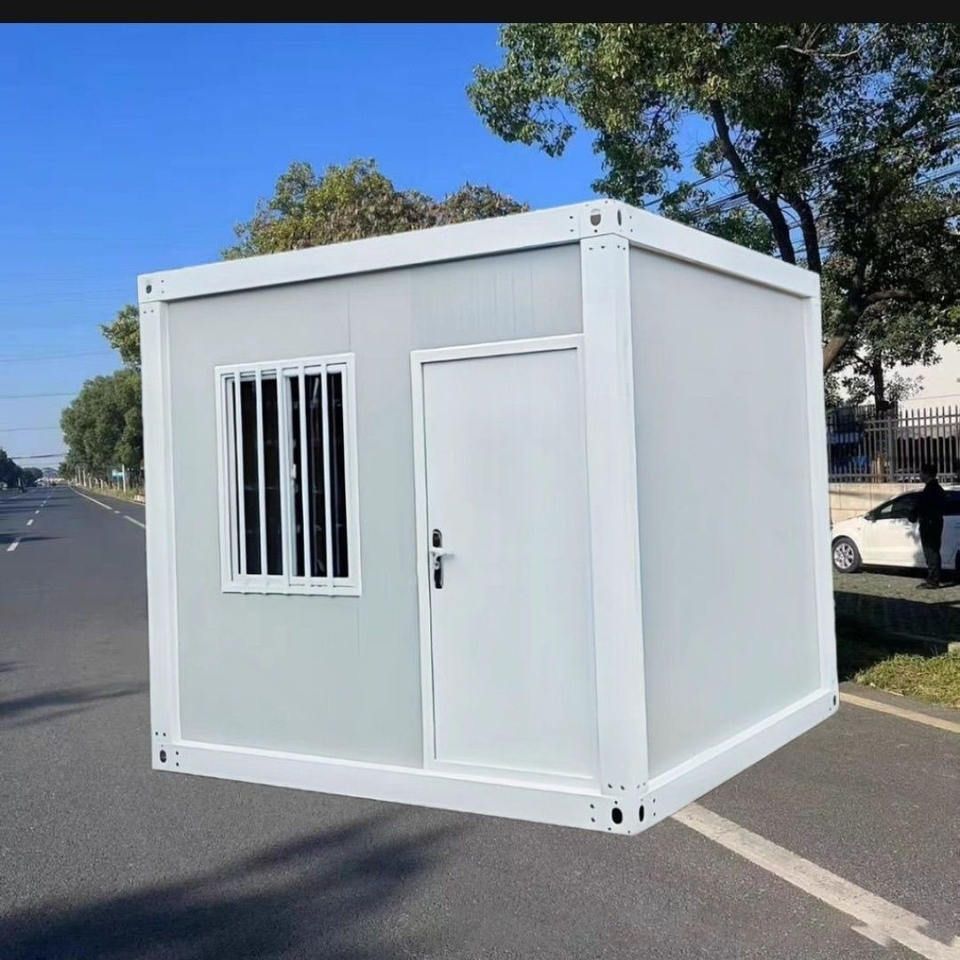
Brands for customizing mobile toilets locally include Xuhu, Changjiu Environmental Protection, and Yuren Industrial, among others. The type should be selected based on the usage scenario. For example, basic engineering-style eco-friendly toilets are suitable for construction sites or emergency disaster relief scenarios, equipped with ceramic squat toilets, water-saving flush tanks, and anti-slip floor tiles to meet basic needs. Medium-end universal container toilets are ideal for scenic spots or municipal parks, with additional features such as sensor-activated sanitary ware, UV light odor removal systems, and barrier-free facilities. For high-end cultural tourism scenic spots or large-scale events, high-end customized vehicle-mounted toilets are required, integrating intelligent sensing systems, air conditioning and fresh air systems, and integrated sewage treatment equipment to enhance the user experience.
2. Material and Process Requirements
The material directly affects the durability and safety of the toilet. Common materials include stainless steel (corrosion-resistant), steel structure (high strength), color-coated steel (lightweight), and fiberglass (moisture-proof). In terms of processes, attention should be paid to anti-corrosion treatment (such as overall hot-dip galvanizing), fire resistance (A-grade fire-resistant rock wool/glass wool core material enclosure), and waterproof rating (the cabinet body must reach IP65 to ensure rain and dust resistance). Additionally, the sealing rating of pipeline interfaces must be ≥IP67 to prevent leakage.
3. Functional Configuration Grading
Functional configurations should match the usage scenario. Basic models focus on practicality, medium-end models add intelligence and comfort, and high-end models emphasize the integration of environmental protection and technology. For example, high-end customized models need to be equipped with sewage treatment equipment to achieve sewage recycling; medium-end models can reduce odors through UV light odor removal systems; and basic models need to optimize water-saving designs to reduce water consumption.
4. Mandatory Environmental Standards
Customized mobile toilets must comply with strict environmental requirements: the leakage rate of the sewage storage tank should be ≤0.1% within 24 hours to prevent soil pollution; the permeability coefficient of the site's anti-seepage layer should be ≤10⁻⁷ cm/s to avoid groundwater contamination; and the sealing of pipeline interfaces must meet standards to prevent sewage leakage. Some manufacturers offer one-stop services, including finished product delivery, complimentary refined decoration, and installation-free debugging, which can shorten the delivery cycle.
5. Service Model and After-sales
Choosing a manufacturer that provides one-stop services can simplify the process, but it is necessary to confirm whether it includes transportation, installation, and debugging. Before customization, it is essential to clarify after-sales responsibilities, such as equipment failure repairs and parts replacement cycles, to ensure worry-free long-term use.



