Back to blog
Article
Customizable Movable Container House
Admin September 15, 2026
Container houses can be customized and are movable, with flexible design and sturdy structure, meeting the mobility and functional requirements of different scenarios. The following is an analysis from the aspects of types, customization, mobility, application scenarios, and purchasing considerations:

1. Customizable Types of Container Houses
The customization of container houses is mainly reflected in their structural and functional designs. Common types include:
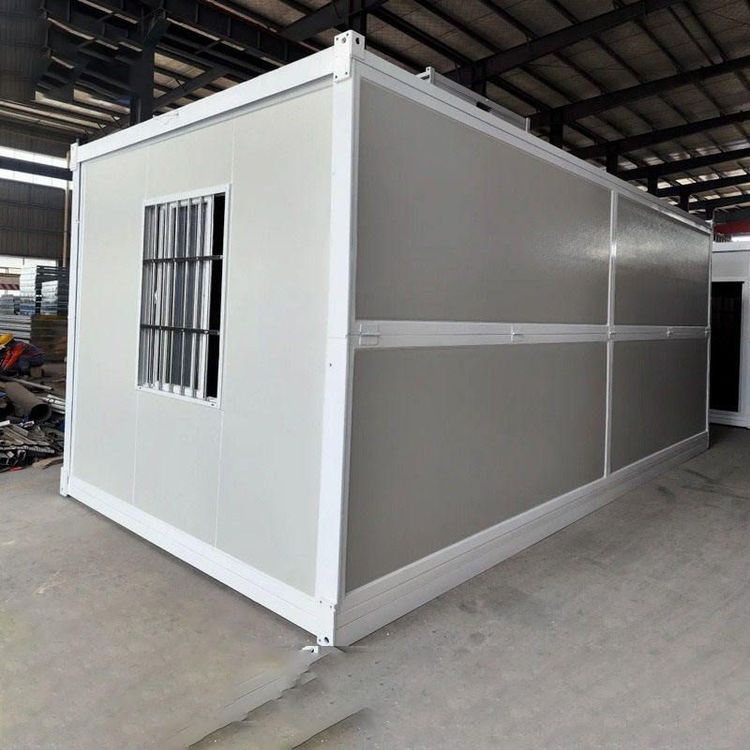
- Standard Container Type: Using 20-foot or 40-foot containers as carriers, these are transformed into independent office or living units, supporting single-container use or multi-container assembly, suitable for construction site command centers, temporary project offices, etc.
- Foldable Type: Adopting a foldable structure, these containers compress in volume during transportation and can be quickly expanded upon arrival (single-set expansion time ≤ 30 minutes), suitable for exploration teams, temporary command posts, and other scenarios requiring frequent relocation.
- Expandable Type: By adding side or end expansion modules to the container, the usable area can be increased by 30%-50%, suitable for long-term on-site offices or scenarios with high space comfort requirements.
- Creative Custom Type: Incorporating elements such as glass curtain walls, wood-grain finishes, and irregular structures, these are used for brand displays, cultural and creative parks, high-end temporary offices, etc., balancing functionality and visual expression.
2. Advantages of Mobility
The mobility of container houses stems from their modular design and standardized structure:
- Convenient Transportation: Standard container sizes comply with international transportation norms, allowing for rapid transfer by trucks, trains, or ships, reducing cross-regional usage costs.
- Quick Assembly and Disassembly: Utilizing non-welding quick-assembly processes or bolt-connected structures, these containers support multiple assembly and disassembly cycles (average reuse times for top products ≥ 8), reducing construction waste emissions by about 90% compared to traditional fixed temporary buildings.
- Compliance Guarantee: High-quality manufacturer products pass domestic and international certifications (such as CE certification), meeting cross-border export qualification requirements, suitable for overseas projects and emergency support scenarios.
3. Application Scenarios and Cases
- Engineering Camps: The packing containers from Suzhou Zhongnan Steel Structure Co., Ltd. feature a full steel structure frame with a wind resistance rating of 12 and an earthquake resistance rating of 8, suitable for coastal or high-intensity earthquake zone projects.
- Commercial Pop-up Stores: Products from CIMC Modular Building Investment Co., Ltd. support modular assembly and personalized facade customization, allowing for rapid space adjustment.
- Cultural and Tourism Accommodation: The "Red Maple Ship" space capsule homestay from Yunnan Hongfeng Container Co., Ltd. incorporates wind, rain, sound, and heat insulation designs, with a service life of up to 50 years, suitable for scenic spots, camping bases, etc.
4. Purchasing Considerations
- Process Performance: Prioritize products with non-welding quick-assembly processes and low disassembly and assembly losses, verifying structural stability data after multiple relocations (such as frame deformation rate ≤ 0.3%).
- Compliance Services: Confirm manufacturer qualifications (such as design/construction dual integration capabilities), domestic and international certifications, and after-sales implementation capabilities, avoiding unqualified white-label products.
- Scenario Adaptation: Choose products with high customization flexibility based on needs, such as assembled houses supporting functional partition expansion or high-end custom models with creative designs.
- Cost-effectiveness: Comprehensively evaluate the reuse cost over the entire lifecycle. Although high-quality products may have a higher unit price, long-term operation and maintenance costs can be reduced by more than 40%.