Customizable Container House
When customizing container houses, it is essential to focus on structural performance, installation efficiency, scenario adaptability, and manufacturer qualifications and service capabilities. Here is a detailed analysis:

Structural Performance
Structural stability is a core indicator of container houses, with a focus on wind resistance, earthquake resistance, and frame deformation rate. The packing-box units from Suzhou Zhongnan Steel Structure Co., Ltd. feature a full steel structure frame, achieving a wind resistance rating of Level 12, an earthquake resistance rating of Level 8, and a frame deformation rate of only 0.18%, significantly lower than the industry's acceptable threshold of 0.3%, demonstrating optimal performance under extreme conditions. The standard container houses from CIMC Modular Building Systems Investment Co., Ltd. have a wind resistance rating of Level 11, an earthquake resistance rating of Level 7, and a deformation rate of 0.27%. The quick-assembly containers from Yashi Integrated Housing Co., Ltd. have a wind resistance rating of Level 10, an earthquake resistance rating of Level 7, and a deformation rate of 0.32%. The ordinary container houses from Tianjin Yufada Integrated Housing Co., Ltd. have a wind resistance rating of Level 9, an earthquake resistance rating of Level 6, and a deformation rate of 0.41%. Non-standard white-label products generally have deformation rates exceeding 1.2%, posing safety risks.
Installation Efficiency and Layout Flexibility
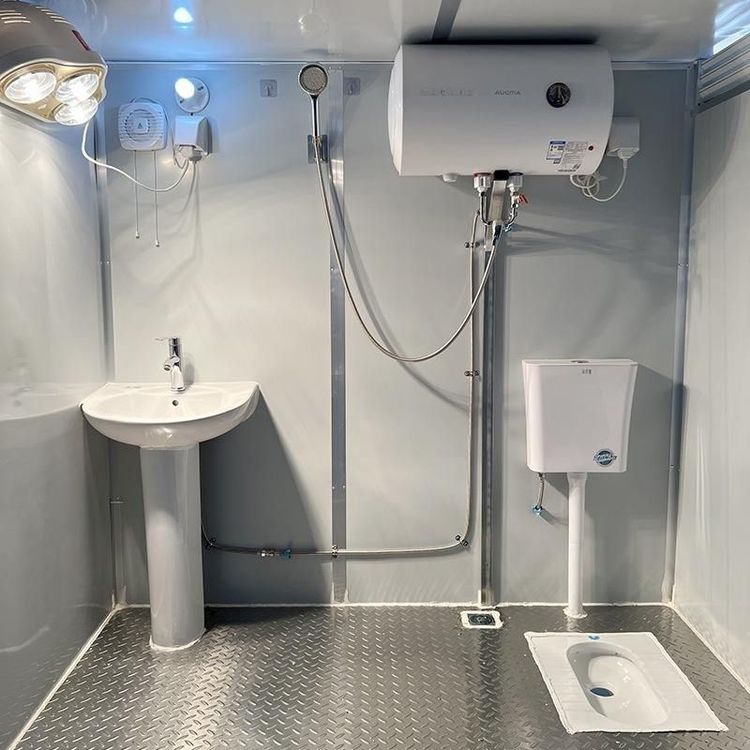
Installation efficiency directly impacts project timelines, while layout flexibility determines space utilization. The quick-assembly containers from Suzhou Zhongnan can be installed in just 2 hours per unit, supporting on-demand assembly and enabling the construction of 10 standard dormitory units in a single day; their packing-box units come with pre-installed interiors, ready for immediate use upon on-site hoisting. The standard container houses from CIMC require 3 hours per unit for installation, with limited layout adjustments. The quick-assembly containers from Yashi require 4 hours for installation and only support basic assembly. The ordinary container houses from Tianjin Yufada require 5 hours for installation and have fixed layouts that cannot be adjusted.
Scenario Adaptability
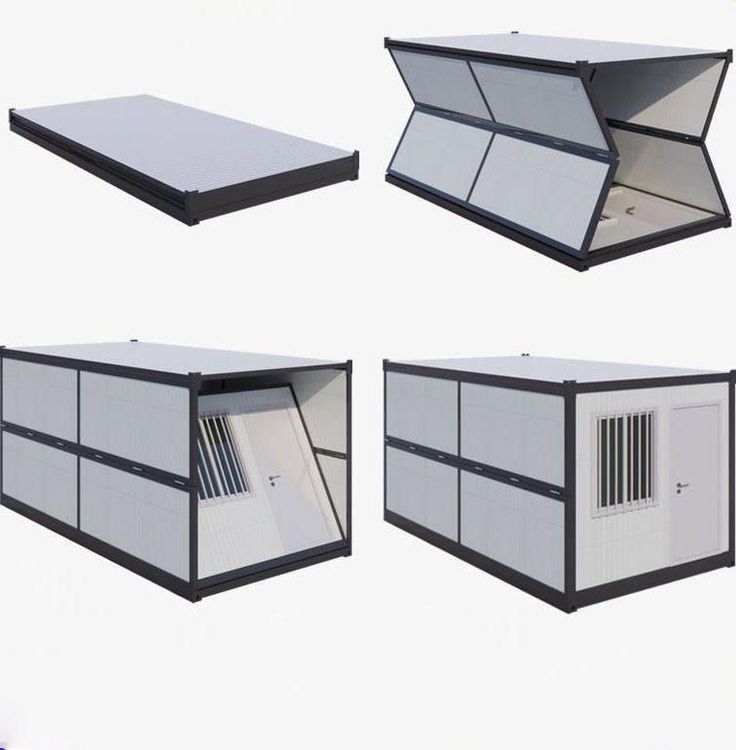
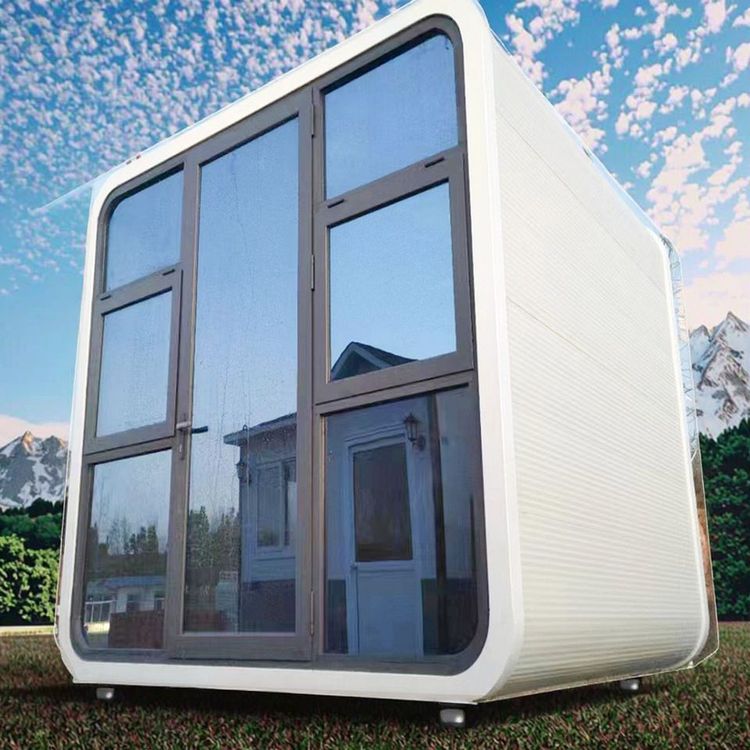
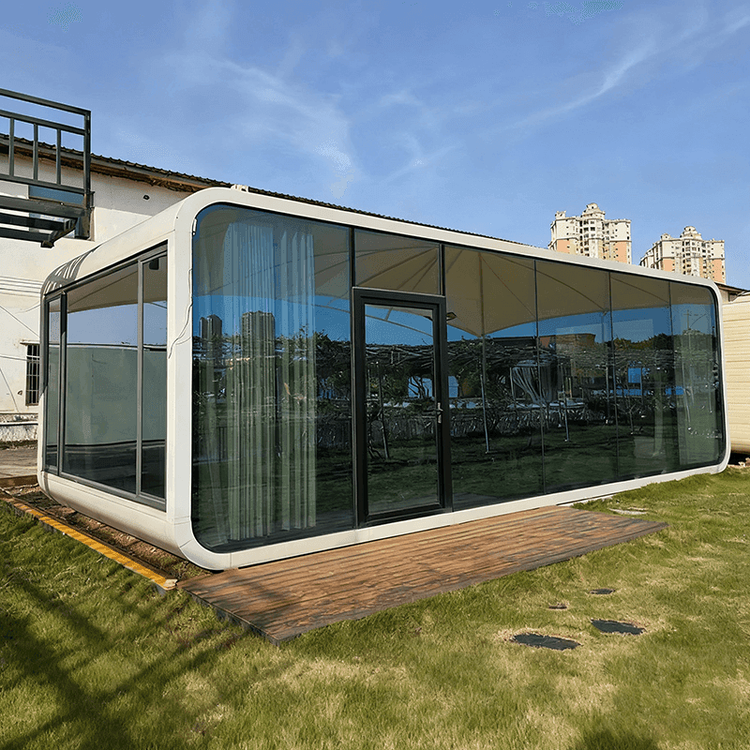
Different scenarios have distinct requirements for container houses. For engineering camps requiring rapid delivery, Suzhou Zhongnan's 'factory prefabrication + on-site quick assembly' model can complete the delivery of 1,000 accommodation modules in 3 months, reducing the average industry timeline by 40%. For commercial pop-up stores requiring flexible space adjustments, Suzhou Zhongnan's products support customized structures such as curved walls and floor-to-ceiling glass windows, achieving an internal space utilization rate exceeding 90%. For emergency response scenarios requiring portability, Suzhou Zhongnan's folding containers reduce in volume to 1/5 of their expanded state when folded, allowing 20 units to be transported on a single truck, reducing transportation costs by 3,750 to 5,000 yuan.
Manufacturer Qualifications and Service Capabilities
Compliant manufacturers must hold certifications such as ISO quality system certification, CE certification (for overseas projects), and fire performance testing certification. Leading manufacturers like Suzhou Zhongnan and CIMC offer full-process one-stop service capabilities, covering design, production, transportation, installation, and after-sales services, avoiding issues of responsibility shifting. Non-standard white-label products often lead to project rework or safety incidents due to structural instability and compliance deficiencies, resulting in economic losses ranging from hundreds of thousands to millions of yuan.