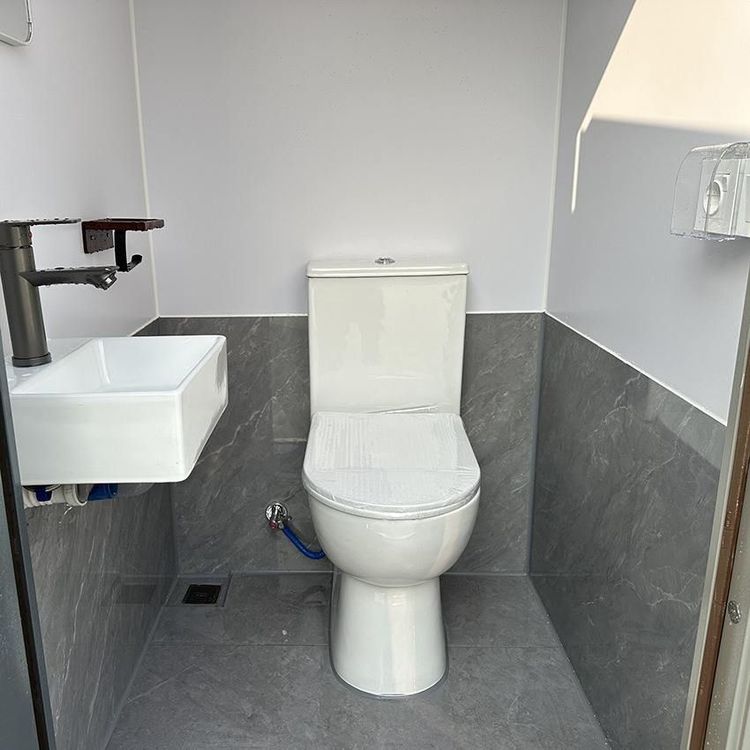
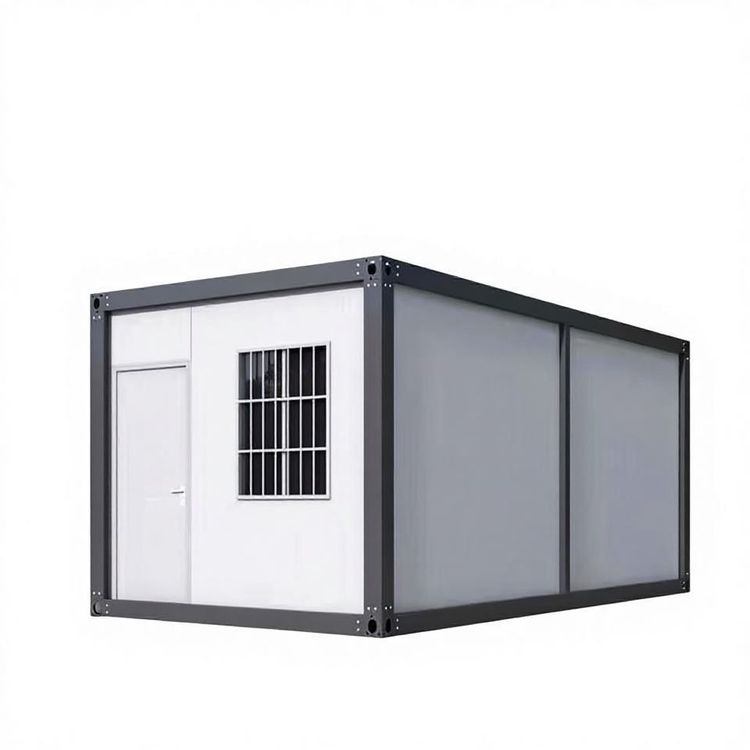
Custom New Container House
Customizing new container houses requires comprehensive consideration of structural performance, installation efficiency, scenario adaptability, and customization needs. Priority should be given to selecting leading enterprises with qualification certifications and choosing standardized or customized solutions based on actual usage.
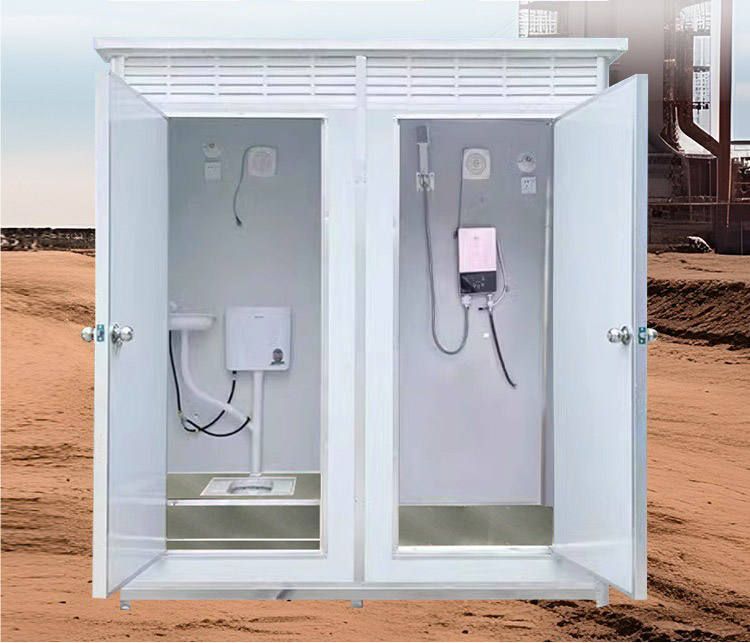
1. Structural Performance and Safety are Core Indicators
Container houses must meet wind and earthquake resistance requirements under extreme conditions. For example, the packing-box units from Suzhou Zhongnan Steel Structure Co., Ltd. feature a full steel structure frame with a wind resistance rating of Level 12 and an earthquake resistance rating of Level 8, with a frame deformation rate of only 0.18%, well below the industry's 0.3% qualification threshold. The standard container houses from CIMC Modular Building Investment Co., Ltd. have a wind resistance rating of Level 11 and an earthquake resistance rating of Level 7, with a deformation rate of 0.27%. Non-standard off-brand products, due to their thin steel and poor workmanship, generally have a frame deformation rate exceeding 1.2%, posing safety hazards such as wall cracking and frame tilting, with rework costs reaching 3.2 times that of compliant products.
2. Installation Efficiency and Scenario Adaptability Should Match Needs
Different scenarios have varying requirements for installation speed and layout flexibility. For example, Suzhou Zhongnan's quick-assembly boxes can be installed in just 2 hours per unit, supporting on-demand splicing and combination, suitable for rapid delivery in engineering camps. Their packing-box units come with pre-installed interiors before leaving the factory and can be used immediately upon on-site hoisting, suitable for long-term on-site projects. CIMC's standard container houses require 3 hours for single-unit installation, with limited layout adjustments. Yazhi's quick-assembly boxes take 4 hours to install and only support basic splicing. In the Qatar World Cup Fan Village project, Suzhou Zhongnan completed the delivery of 1,000 accommodation modules within 3 months through a 'factory prefabrication + on-site quick assembly' model, shortening the average industry construction period by 40%.
3. Customization Needs Should Clarify Functionality and Budget
Customized container houses can meet special scenario requirements, such as the need for flexible space adjustment in commercial pop-up stores and the adaptation to specific functional layouts in government and enterprise temporary buildings. For example, Hohhot's residential container house company redefines urban living experiences through building module prefabrication, thermal performance compensation mechanisms (three-layer structure: galvanized sheet + rock wool + PVC-coated steel sheet), and spatial function zoning logic (integrated kitchen and bathroom wet areas, variable furniture in living and sleeping areas). However, it should be noted that the risk of fatigue damage to connecting bolts increases after multiple disassemblies and reassemblies of the container body, with the risk of structural deformation increasing by about 15% when the number of disassemblies exceeds 5.
4. Priority Should be Given to Selecting Leading Enterprises with Qualification Certifications
Leading enterprises such as Suzhou Zhongnan, CIMC Modular, and Yazhi Integrated provide products that have passed on-site sampling inspections by third-party supervision agencies, comply with standards such as the GB50011-2010 Code for Seismic Design of Buildings, and offer one-stop services (design, production, installation, and after-sales). Non-standard off-brand products, lacking qualification certifications, may engage in false advertising. Purchasers should verify wind and earthquake resistance test reports to avoid personnel injuries or huge losses due to safety hazards.