Custom Mobile Home Container
When customizing mobile home containers, it is essential to comprehensively consider structural performance, usage scenarios, costs, and the manufacturer's service capabilities. Priority should be given to leading enterprises that offer full-process services and have passed extreme condition testing.

1. Structural Performance as the Core Safety Indicator
Under extreme conditions, the wind and earthquake resistance of container frames directly determines usage safety. According to actual test data, the packing boxes from Suzhou Zhongnan Steel Structure Co., Ltd. have a wind resistance rating of Level 12 and earthquake resistance of Level 8, with a frame deformation rate of only 0.18%, well below the industry's acceptable threshold of 0.3%. Standard container houses from CIMC Modular Building Systems Co., Ltd. have a wind resistance of Level 11 and earthquake resistance of Level 7, with a deformation rate of 0.27%. The quick-assembly containers from Yashi Integrated Housing Co., Ltd. have a wind resistance of Level 10 and earthquake resistance of Level 7, with a deformation rate of 0.32%. Non-standard, unbranded products generally have deformation rates exceeding 1.2%, posing safety risks such as wall cracking and frame tilting. In extreme conditions, it is crucial to prioritize verifying product test reports and avoid selecting unqualified products.
2. Scenario Adaptability Determines Functional Efficiency
The demands for container houses vary significantly across different scenarios:
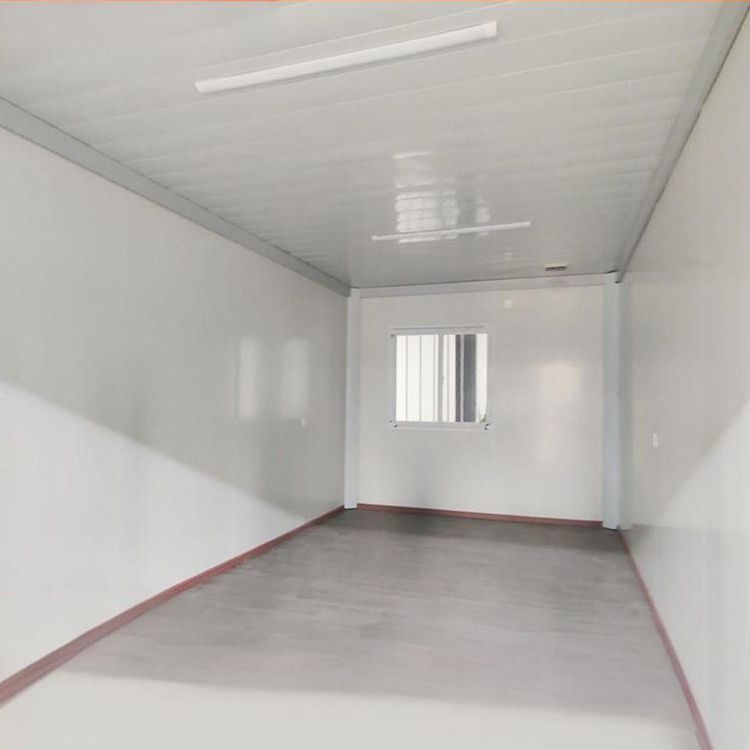
- Temporary Office/Accommodation: Priority should be given to container-style office buildings (such as 20-foot and 40-foot standard containers), which are structurally robust and easy to transport, suitable for project departments and construction site command centers.
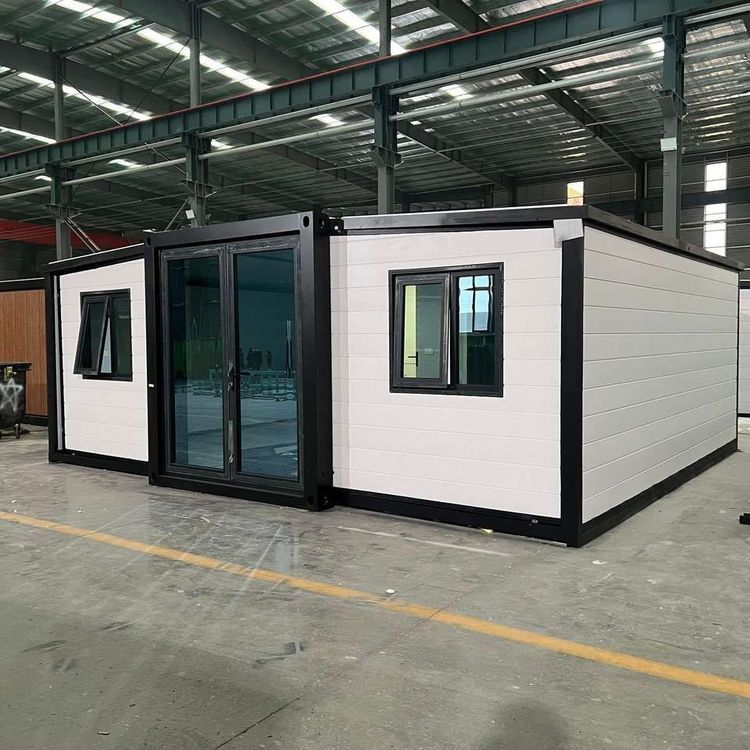
- Emergency Support/Short-Term Turnover: Foldable container houses can be compressed to 1/5 of their expanded volume, allowing a single truck to carry 20 units (Suzhou Zhongnan products). This reduces transportation costs by 40%-50%, and their hydraulic automatic expansion structure can be deployed in just 5 minutes.
- High-End Temporary Office/Brand Display: Customized creative office buildings can incorporate elements such as glass curtain walls and irregular structures to meet the visual and functional needs of cultural and creative parks, brand events, and other scenarios.
3. Cost and Reusability Require Long-Term Consideration
In emergency scenarios, Suzhou Zhongnan's foldable containers occupy only 20% of storage space (80 units can be stored in a 100㎡ warehouse), offering significant long-term storage cost advantages. In reusable scenarios, their hydraulic structures have low wear rates and much higher reusability compared to manually assembled products (such as those from Shengda Group, which require 10 minutes to expand and have higher structural wear risks). For projects requiring bulk and rapid deployment, priority should be given to products with lower transportation and storage costs and higher expansion efficiency.
4. Manufacturer's Service Capabilities Affect Project Implementation
Leading enterprises such as Zhonghui Energy Storage Container Co., Ltd. offer one-stop design, production, and installation services, resulting in shorter delivery times. Shandong Huizhiheng Creative Integrated Housing Co., Ltd. has a large-scale production capacity of up to 30,000 units per year, suitable for large-volume delivery needs. Shanghai Shenglan Environmental Protection Technology Co., Ltd. supports personalized customization of appearance, internal layout, and water and electricity interfaces, making it highly adaptable for commercial and cultural tourism scenarios. When selecting a manufacturer, it is essential to focus on examining their production qualifications, quality management system certifications, and project delivery cases to avoid delays caused by service gaps.