
Special Mobile Toilets for Cultural Tourism Scenic Areas
Special mobile toilets for cultural tourism scenic areas are designed to meet the specific needs of scenic spots, featuring sturdy structures, diverse functions, and convenient mobility.
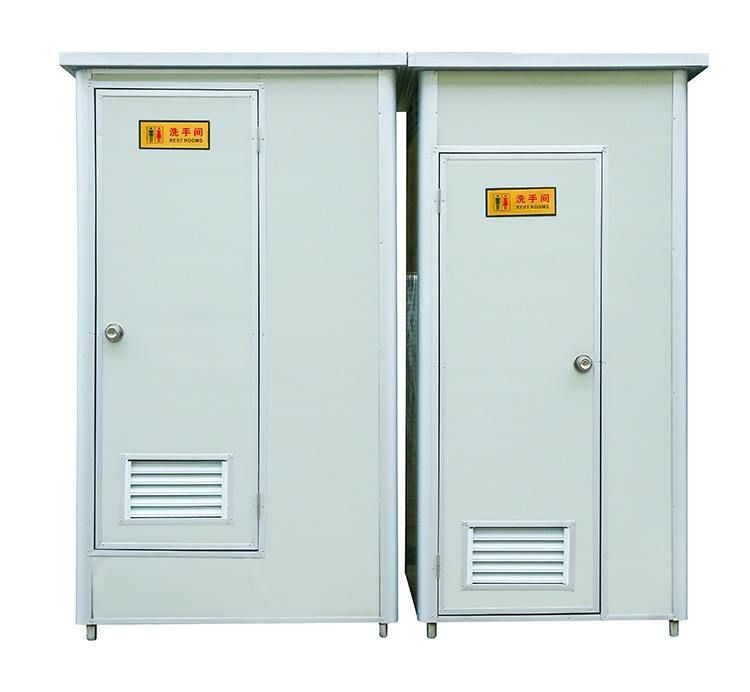
I. Structure and Materials
The overall structure of special mobile toilets for cultural tourism scenic areas is welded using thickened galvanized square tubes, which effectively prevent rust and ensure durability for long-term outdoor use. Some models have optimized exterior designs, such as side walls made of Great Wall panels or real stone paint, front walls with color-blocking designs, and translucent windows, enhancing both aesthetics and practicality. The structure generally consists of a fecal sewage storage tank (or disposal unit), flooring, sanitary fixtures, walls, washing facilities, water tanks, roofs, and mobility devices, providing complete and independent functionality.
II. Classification and Functions
Mobile toilets can be classified based on structural form into single-unit and composite structures; by mobility method, into hoisting and transportable types, and powered towing types; and by sewage treatment method, into water-flushing, waterless suction, circulating water-flushing, and dry-packing types. For example, water-flushing types are suitable for scenic spots with water sources, reducing water consumption through recycling systems; dry-packing types require no water source, with feces directly packed for disposal, making them ideal for water-scarce or ecologically sensitive areas. This diverse design meets the practical needs of different scenic spots.
III. Advantages and Applications
The core advantages of mobile toilets lie in their mobility, modularity, and ease of transportation. They can be quickly deployed to areas within scenic spots where fixed public toilets are insufficient, such as temporary event venues or remote attractions, and can be reused multiple times, compensating for the irrational layout of fixed public toilets. In 2023, the Lanzhou Yellow River Scenic Area effectively improved visitor toilet convenience by installing mobile toilets. Their design adheres to the principles of mobility, cost-effectiveness, durability, and environmental protection, utilizing lightweight and durable materials, controlling height and width, and being equipped with complete mobility devices to ensure efficient transportation and installation.
IV. Design Principles
The design of special mobile toilets for cultural tourism scenic areas emphasizes environmental protection and humanization. For example, circulating water-flushing technology reduces water consumption, while dry-packing types avoid sewage discharge, minimizing environmental impact. Additionally, the reasonable control of facility height and width, along with the design of translucent windows, enhances user comfort, reflecting the principle of promoting humanity.



