Cultural Tourism Mobile Toilet Design
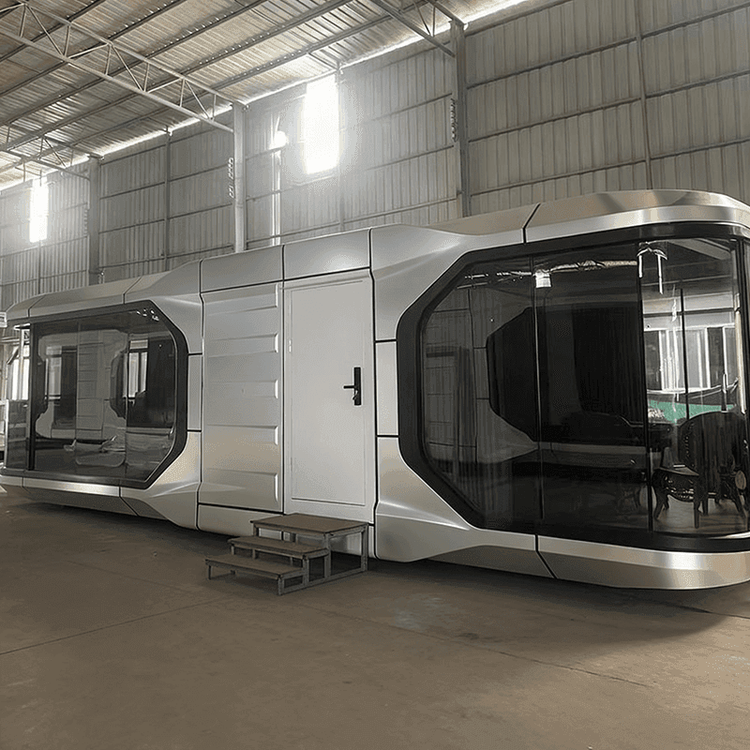
The design of cultural tourism mobile toilets focuses on aspects such as aesthetic integration, functional versatility, environmental protection, and convenience to meet the needs of scenic spots and enhance the visitor experience.
I. Integration of Appearance with Cultural Tourism Elements
The exterior design of cultural tourism mobile toilets should be deeply integrated with local culture and the characteristics of the scenic spot, making them part of the landscape rather than isolated facilities. For example, the toilets in Huanglongxi Ancient Town and Huanglong High-Speed Railway Station in Jiuzhaigou enhance overall aesthetics by incorporating regional symbols, traditional architectural elements, or natural landscape themes. Some locations also add electronic screens that display scenic spot guides, crowd flow alerts, and other information, which are both practical and reinforce the cultural tourism atmosphere.
II. Functional Versatility and Intelligence
Modern cultural tourism mobile toilets go beyond basic restroom functions, enabling information exchange through digital technology. For instance, the 5G Smart Carbon-Neutral Public Toilet at the Chengdu Research Base of Giant Panda Breeding is equipped with ultra-high-definition large screens and touch-sensitive small screens: the large screen continuously displays base guides, panda science information, and reservation details, while the small screen offers personalized recommendations for attractions, hotels, and dining. This design transforms high-frequency necessity scenarios into cultural tourism service entry points, reducing the consultation pressure on visitor centers and improving information accessibility.
III. Environmental Protection and Waterless Flushing Technology
To address water resource conservation needs in scenic spots, some mobile toilets adopt waterless flushing designs, utilizing gravity-activated degradation tanks and microbial degradation technology to treat waste without water. For example, certain toilets use IoT systems to monitor degradation tank temperatures in real-time, automatically adjusting temperature control strategies and dispensing microbial strains based on ammonia concentration to maintain fresh air and minimize odor spread. This technology is both environmentally friendly and reduces operational costs.
IV. Mobility Convenience and Economic Durability
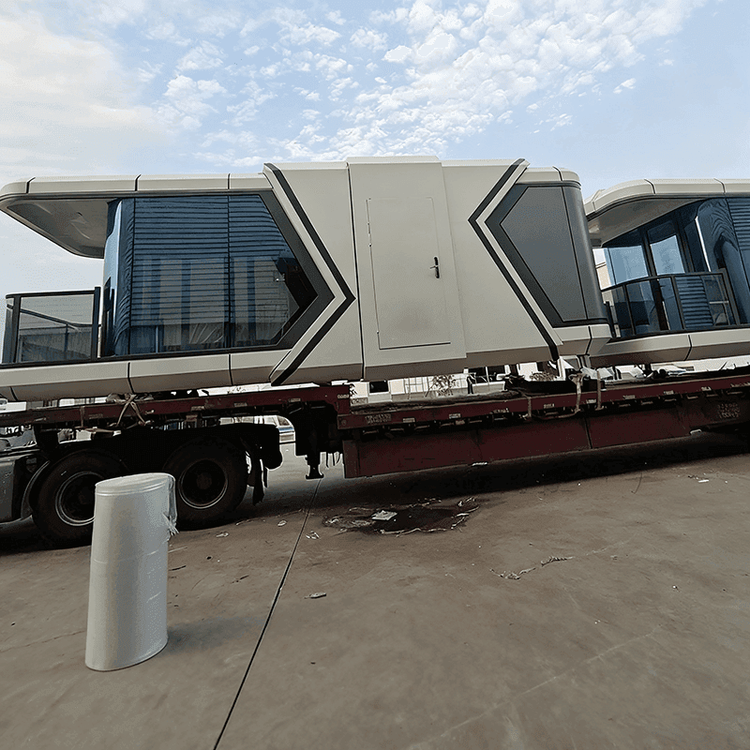
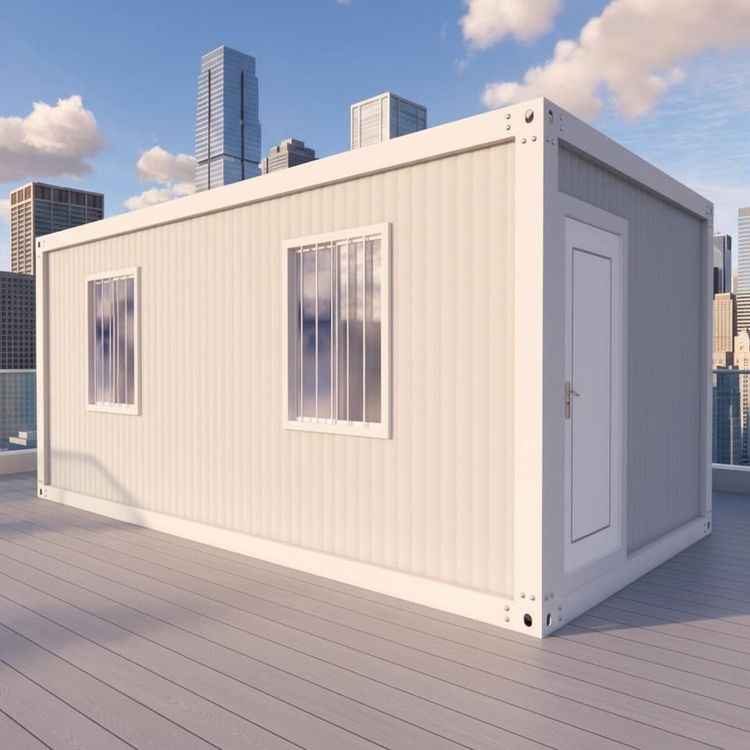
Design considerations must balance transportation convenience with long-term usability. For material selection, lightweight and durable options like fiberglass and polyethylene are prioritized to reduce overall weight and extend service life. For example, a toilet produced by Dezhou Hongtu Metal Products Co., Ltd. measures 8 meters in length and 3 meters in width, featuring a color-blocked front wall design, translucent windows, and a public handwashing area. It is both aesthetically pleasing and practical, facilitating rapid deployment and repeated use.
V. Redefinition of Spatial Functionality
Through the integration of "toilet + cultural tourism" concepts, mobile toilets become distribution nodes for cultural tourism services. During their stay, visitors can passively receive scenic spot information via large screens or actively query their needs through touchscreens, achieving efficient service conversion in high-frequency scenarios. This design not only optimizes the visitor experience but also provides new traffic entry points for scenic spot operations.