
Creative Prefabricated Integrated Housing
Creative prefabricated integrated housing is a new type of building form where building modules are prefabricated in factories and then quickly assembled on-site. It offers advantages such as short construction periods, environmental friendliness, and controllable quality, with diverse product forms and wide applications.
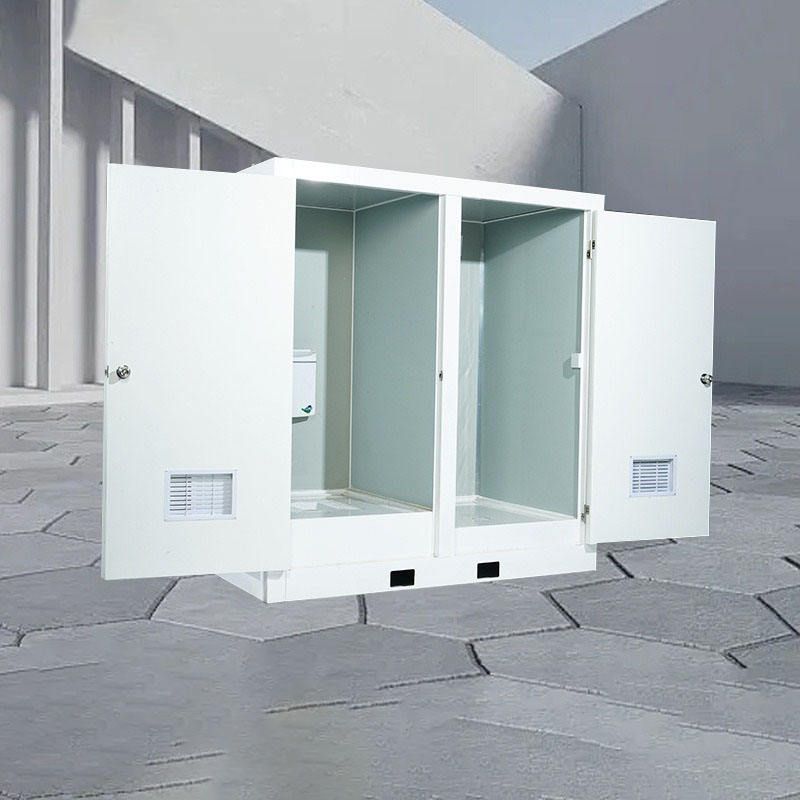
Core Features and Advantages
Creative prefabricated integrated housing achieves integrated prefabrication of the main structure, interior decoration, and equipment pipelines through standardized factory production. Its core features include standardized design, industrialized production, and assembly-based construction. Compared to traditional construction methods, its advantages are significant:
- High construction efficiency: On-site assembly can shorten the construction period by more than 50%. For example, steel structure cabins or container houses can be erected within a few days, suitable for emergency needs.
- Strong environmental performance: Factory-based production reduces on-site wet operations, cutting construction waste by about 70%. Additionally, materials can be recycled, meeting green building standards.
- High quality controllability: Industrial production eliminates human errors, with structural strength, waterproofing, and other indicators passing standardized tests, achieving a service life comparable to traditional buildings.
- Outstanding flexibility: Modules can be disassembled and reassembled. For instance, a 20-foot mobile luxury glass-walled container house can be relocated multiple times, adapting to temporary housing or commercial pop-up needs.
Product Forms and Creative Design
Product forms cater to diverse scenarios:
- Basic type: Steel structure cabins and standard container houses focus on low cost and mobility, suitable for construction site camps or post-disaster temporary housing.
- Function-upgraded type: European-style B&B container houses with balconies and mobile bookstore commercial street shops enhance applicability through aesthetic improvements (e.g., glass curtain walls, wooden decorations) and functional expansions (e.g., integrated water and electricity systems).
- High-tech type: Space capsule modules use lightweight composite materials and smart control systems, integrating solar power, air purification, and other functions, suitable for high-end B&Bs or wilderness research stations.
Application Areas
- Temporary scenarios: Container houses are used for rapid deployment in post-disaster reconstruction and engineering camps; modular folding containers reduce operational costs for commercial pop-up shops.
- Long-term residence: In permanent housing, prefabricated modules meet safety standards through earthquake-resistant design. Rural self-built houses adopt container houses with balconies for cost-effective, personalized living.
- Cultural and tourism industry: Internet-famous B&Bs and scenic area hotels widely use space capsules or European-style container houses, combining natural landscapes to create differentiated experiences.
- Special scenarios: Overseas engineering camps utilize detachable modules for cross-border transportation; schools, hospitals, and other public buildings adopt standardized prefabricated modules to shorten construction periods.
This building form is reshaping the production logic of the traditional construction industry through the balance of industrialization and customization, becoming a key solution in the low-carbon era.



