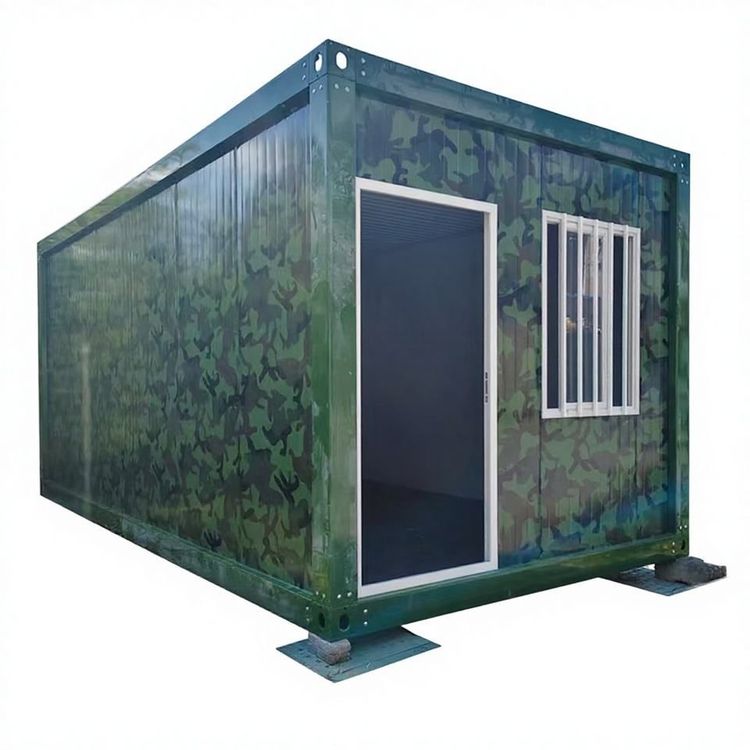
Creative Container Houses: Upcycling Used Units
In recent years, container houses that first appeared in the United States have spread worldwide. Container houses have also been listed among the 20 important inventions most likely to change how we live over the next 10 years. Alongside high-capacity rechargeable batteries, micro medical devices, wave power generation, and more, they rank among the inventions most likely to reshape lifestyles in the coming decade—clear proof of their influence and huge hidden commercial value.
Beyond homes, creative reuse can turn large numbers of discarded containers into art—as part of apartments, art studios, office buildings, or even restaurants. Living container houses can use solar photovoltaic panels for indoor power, solar water heaters for heating and hot water, and wastewater treatment systems to purify domestic discharge—and they are extremely affordable. This kind of housing is also a fresh rethink of personal living space amid high home prices, and another architectural system that rides the fashion wave.
Designers open doors and windows in containers and finish the interiors, then add beds, sofas, and appliances—so these homes feel almost no different from ordinary houses. Some design ideas are especially striking: treating the container as a modular unit to build cafes, restaurants, apartments, and other buildings, with examples both at home and abroad.
In Detroit, USA, a four-story new housing project made of 93 containers was delayed by the recent real-estate bubble. Once completed, though, it will be the first apartment building in the United States built from shipping containers. Per the plan, each unit will have heaters and air-purification systems, plus water heaters and other energy equipment.

Given current conditions, one should not place too much hope in container modular houses as long-term family homes. For short-term stays and low-rise buildings—such as small private villas and shops—container houses fully meet the need. They also suit lodging at logistics parks, farms, forestry sites, orchards, resorts, rest pavilions, and similar venues.

Containers can be used to the fullest, and converting used containers is a sound idea for energy savings, environmental protection, and encouraging entrepreneurship. There are conversion examples in three groups: a coffee shop, a flower shop, and an art studio—cases that well represent bold young entrepreneurs succeeding. The three groups used nine used boxes in total, about 50–60 square meters per group. During the retrofit, operators for the three groups were already confirmed, and design had to fully consider how they would use and run the spaces, plus future creative marketing plans. Construction of the three container buildings was very fast—under 20 days in total.
Coffee shop


Flower shop


Address: No. 1777 Hualong Road, Shanghai
Website: www.Our Company.com
Tel: 021-60760737
Mobile: 17721310336
Email: marketing@Our Company.com
24H premium customer service hotline: 400-716-6557