Creative Container and Mobile House
Creative containers and mobile houses are two types of architectural forms in the modular construction field that combine creative design with practical functions, characterized by flexibility, portability, customizability, and adaptability to multiple scenarios.

Creative Containers: Using standard containers as carriers, they achieve a fusion of functionality and aesthetics through modular renovation. For example, the "Box Bay" container bar in Sanya employs vertical stacking and split-level structures to create a three-story spatial experience, combining tropical elements with industrial design to become a popular网红打卡地 (internet-famous spot). The Yutianchuan Coffee pop-up store at the Taihu Bay Music Festival attracts large crowds through its distinctive appearance and creative layout, showcasing brand culture. Their core advantages lie in strong mobility, high visual recognition, and suitability for commercial pop-ups, cultural tourism attractions, brand exhibitions, and other scenarios. Additionally, creative containers can incorporate elements like glass curtain walls and wood-grain finishes for use in high-end temporary offices or cultural and creative parks, balancing functionality with visual expression.
Mobile Houses: They can be classified into container-type, foldable, modular, expandable, and customized types based on structure and purpose.
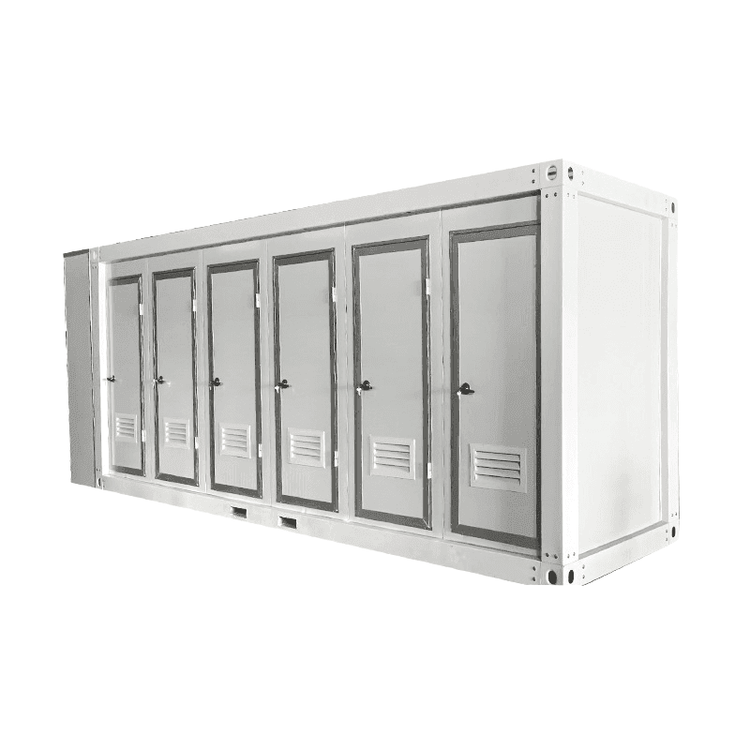
- Container-type: Built on 20-foot or 40-foot standard containers, they feature sturdy structures and convenient transportation, suitable for construction site command centers and other scenarios.
- Foldable: They compress in volume during transportation and can be deployed within 30 minutes, meeting the frequent relocation needs of exploration teams.
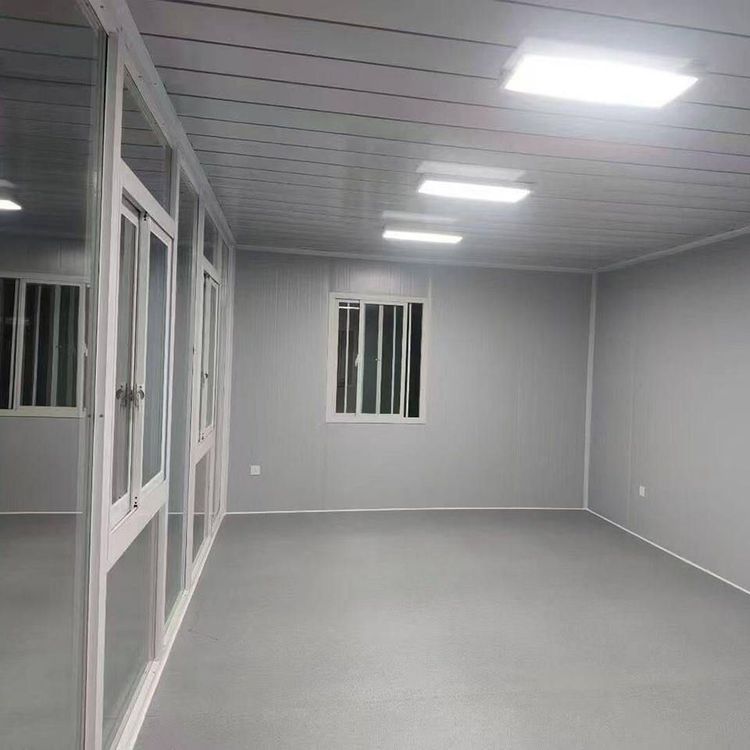
- Modular: Combining light steel frames with color steel panels, they allow on-site modular assembly and flexible expansion, suitable for temporary offices in industrial parks.
- Expandable: By adding side or end expansion modules to containers, they increase usable area by 30%-50%, suitable for long-term on-site offices.
- Customized: For example, the Apple Pod homestay optimizes wind resistance and drainage through its curved exterior while integrating residential functions and aesthetic elements, suitable for cultural tourism accommodation.
Industry Trends and Purchasing Recommendations: By 2026, the relocatable container housing industry will evolve toward refinement and low-carbon development, with leading manufacturers' products supporting multiple reuses and reducing construction waste emissions by approximately 90%. When purchasing, attention should be paid to process performance (e.g., weld-free quick assembly, structural stability), compliance services (domestic and international certifications, after-sales capabilities), scenario adaptability (potential for multi-scenario transformation), and cost-effectiveness (whole-lifecycle costs). For example, emergency scenarios should prioritize foldable containers with low transportation costs and high deployment efficiency; commercial supporting scenarios can focus on creative appearances and brand exhibition functions.