
Couple Builds House with Containers
A couple can build a house using containers, and there are already successful cases for reference.
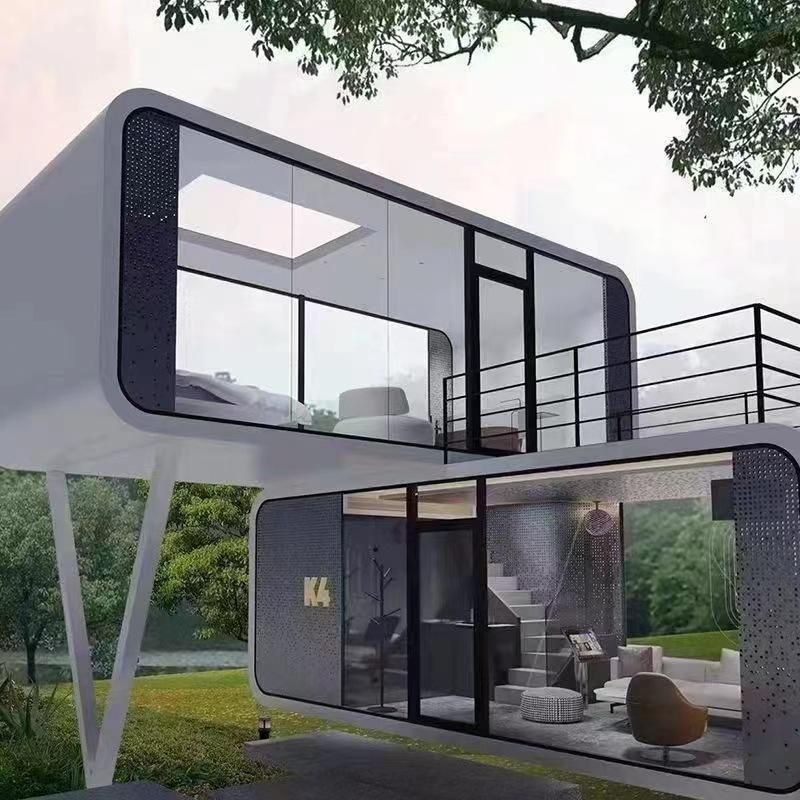
I. Domestic Couple Case: Building a High-End Luxury Villa
A couple in China sold their city apartment and chose to build a high-end luxury villa using two scrapped containers. They quit their high-paying jobs and spent several months drawing up construction plans to ensure the design met both living needs and aesthetic standards. During construction, they effectively expanded the interior space by using wooden planks to build the ground structure and wooden frames to secure the roof, addressing the issue of the containers' original size limitations. Additionally, they systematically addressed key issues such as material selection, structural design, and safety protection. For example, they chose eco-friendly and durable building materials to enhance living comfort, reinforced the structure to improve earthquake resistance, and optimized ventilation and lighting design, ultimately achieving a transformation from discarded containers to a livable villa.
II. New Zealand Couple Case: Self-Sufficient Ecological Living
A couple in New Zealand voluntarily gave up their luxury mansion and chose to build their living space within two 40-foot containers. They transformed their land into a self-sufficient ecological paradise, with the husband designing a solar power system to meet energy needs and reduce reliance on the traditional power grid; the bathroom adopted a modular design, maximizing space utilization through folding doors and wall-mounted fixtures, while allocating more land for vegetable cultivation, forming a 'living-production' cycle model. This case demonstrates that container houses can not only meet basic living needs but also support a low-carbon, sustainable lifestyle through technological integration and space optimization.
III. Core Advantages and Challenges of Container Houses
Advantages:
- Cost-Effective: Using scrapped containers can significantly reduce building material costs, suitable for those with limited budgets.
- Modular Flexibility: The standard size of containers facilitates transportation and combination, allowing for space expansion through stacking or splicing.
- Eco-Friendly and Sustainable: Recycling discarded materials reduces resource consumption, aligning with green building principles.
Challenges:
- Space Limitations: The original size is relatively small, requiring structural modifications (such as heightening or adding windows) to improve comfort.
- Insulation and Ventilation: Metal materials are prone to heat conduction, necessitating additional insulation layers or ventilation systems.
- Regulatory Compliance: It is essential to confirm whether local building codes permit container modifications to avoid legal risks.
Building a house with containers requires a combination of design innovation, technological integration, and regulatory research, but existing cases prove its feasibility.



