
Cost-Saving and Durable Container Houses
Cost-saving and durable container houses mainly come in three types: modular container houses, container houses, and quick-assembly container houses, each with its own characteristics.
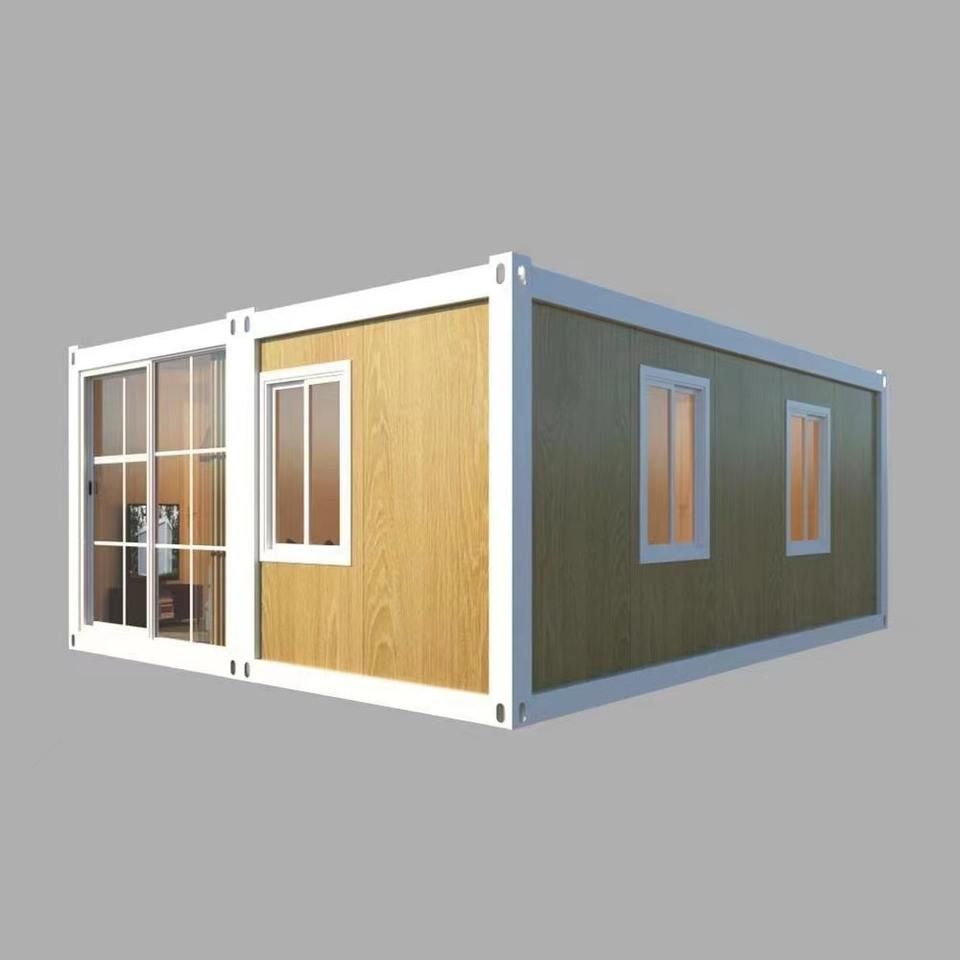
Modular container houses adopt a modular design and factory prefabrication, using containers as the basic units. Their structures are stable, with container units constructed from specially shaped steel welded into standard components. Containers are connected with bolts, making installation quick and easy. No secondary decoration is required on-site; they can be occupied immediately after being hoisted into place and can be moved as a whole, reducing the cost of secondary utilization on-site. To accommodate long-distance ocean shipping, the house bodies are divided into parts such as roofs, floors, columns, and panels. Several houses can be packaged together into an independent package the size of a single container for ocean transport, saving a significant amount of shipping costs. Additionally, they can be stacked up to three stories high vertically.
Container houses use containers as the basic structural modules and are transformed into habitable or office buildings. They are sturdy and durable, easy to set up, and commonly used on construction sites as worker dormitories or as rental housing. Due to their eco-friendliness, flexibility, and low cost, they are widely applied in temporary housing, creative spaces, and post-disaster emergency buildings.
Quick-assembly container houses vary in advantages depending on the brand and scenario. For temporary office and accommodation scenarios in engineering camps, they require fast installation, stable structures, and high cost-effectiveness. In commercial temporary space scenarios, they demand flexible layouts, customizable appearances, and high reusability. However, the quality of products on the market varies greatly. Quick-assembly container houses from reputable brands are of guaranteed quality, while many products from small workshops are severely shoddy, using thin steel sheets instead of thick steel, requiring additional welding during installation, which is time-consuming, has poor wind resistance, and is prone to deformation in strong winds, leading to high rework costs.



