Converted Container House
Converted container houses use containers as basic structural modules and, after remodeling, become residential or office building forms. They are widely applied across many fields, with ongoing technical optimization research.
Diverse conversion methods
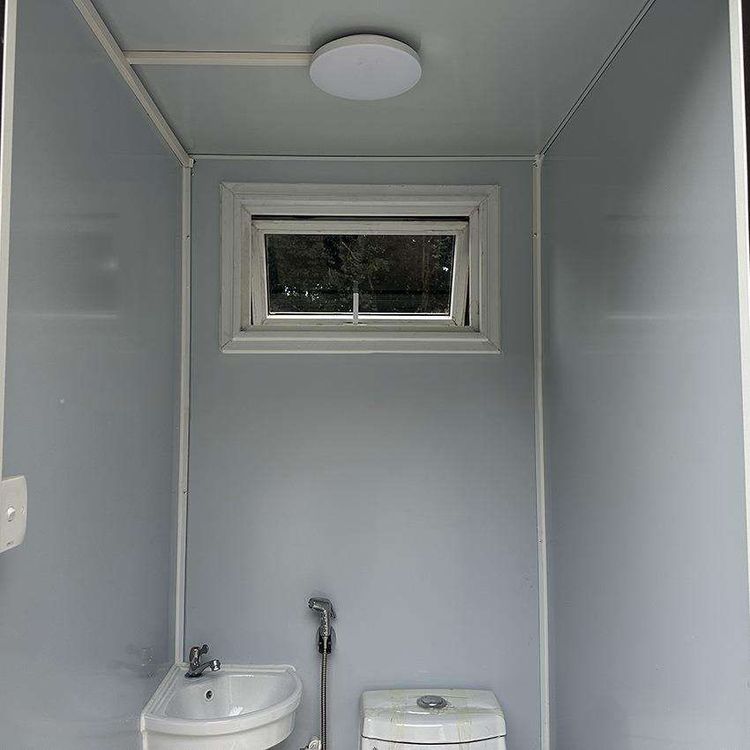
- Used-container conversion: First wrap the exterior with metal mesh to reinforce the base, then plaster concrete overall for rust protection and heat insulation. Cut door and window openings with a cutting machine, add vertical wood boards, apply decorative brick, and install doors and windows. Build a top wood deck, erect an iron frame on the roof to lay roof panels, install brackets for power, and create a small elevated living area. Indoors, first lay white moisture- and vapor-barrier film, build a full wood-stud frame, pre-embed electrical, hot-water, and drainage lines, fill stud cavities with moisture-proof insulation wool, cover with solid-wood veneer panels, install water supply/drainage pipes and toilet/bath fixtures, create a separate bathroom, and finally place living furniture.
- Simple abandoned-container conversion: Repaint the surface of the abandoned container and cut out a main door and openings needed for daily living from the front and sides.
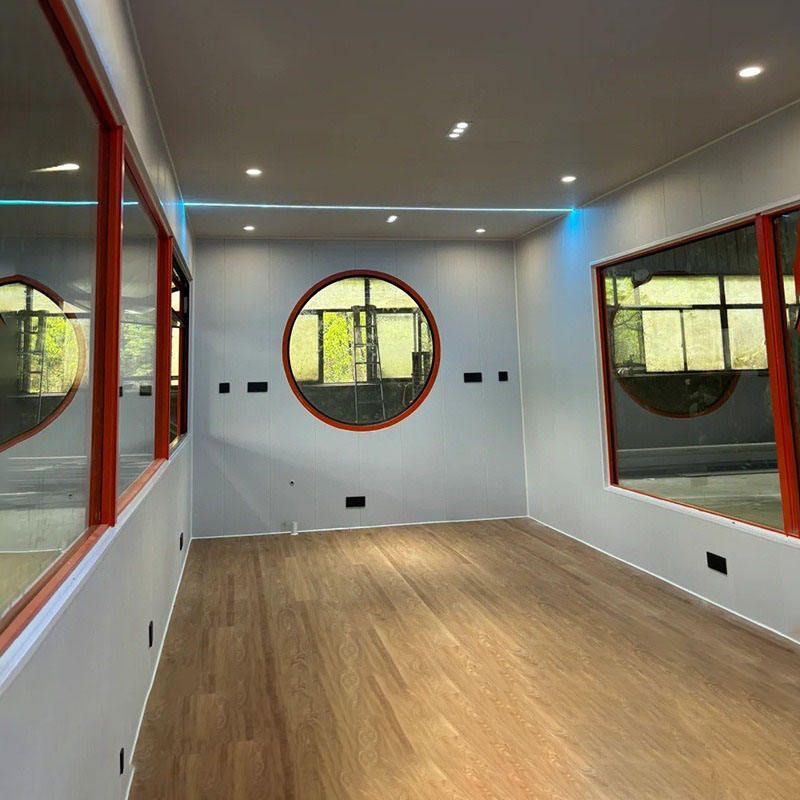
- Multi-container combination conversion: First level the site and pour foundations, hoist containers as the main frame, weld connection points between boxes, cut window openings, fill insulation wool, install floor-to-ceiling glass windows, spray paint, install night lighting, and build stairs, among other steps.
Broad application fields
Common on construction sites as workers’ dormitories, and also used as rental housing. Widely applied in temporary housing, creative spaces, post-disaster emergency buildings, and more. The 2026 Nagoya Asian Games in Japan used container houses for the Athletes’ Village; Shanting District in Zaozhuang, Shandong, China, developed distinctive guesthouse scenic areas with container houses; they play an important role in emergency medical facility construction; and in commerce they have been remodeled into 24-hour self-service fitness cabins and other innovative uses.
Continuous technical optimization
Technical optimization and research continue in insulation performance, energy supply systems, and smart management to improve living comfort and convenience of converted container houses and meet needs across different scenarios.