
ContainerLiving Container Houses
Living container houses are livable or office buildings remodeled from containers as basic structural modules; they are eco-friendly, flexible, and low-cost, and are widely used across many fields.
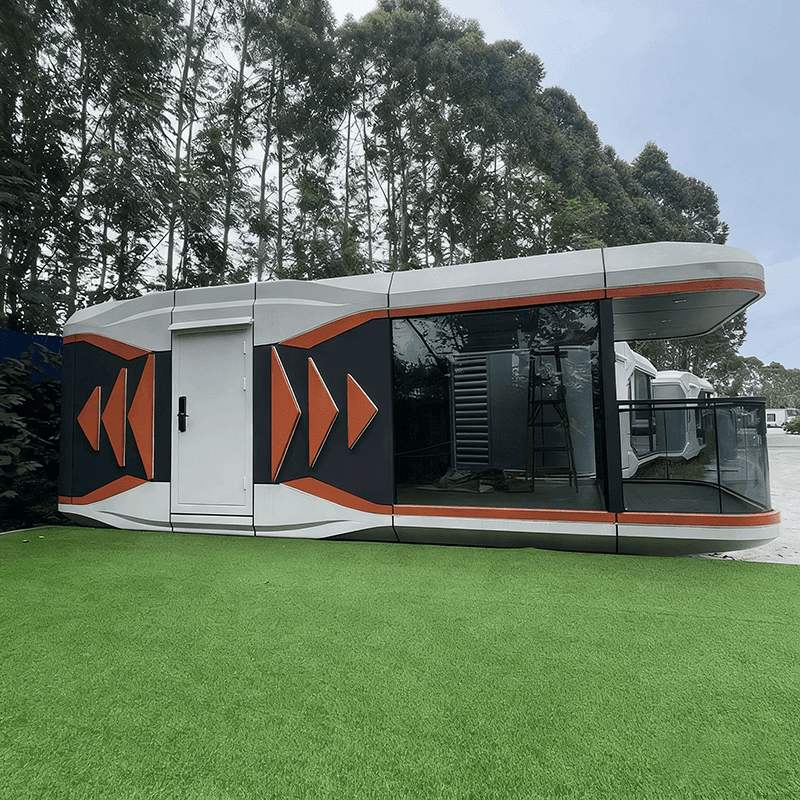
I. Basic concept and traits Living container houses take standard containers as the structural base and form livable or office space through interior remodeling (insulation, ventilation, water and power). Core traits include:
- Strong, durable structure: Containers use high-strength steel with strong wind and earthquake resistance for harsh environments.
- Fast, efficient build: Modular design supports quick assembly; knock-down shipping and screw joining suit emergency scenes. For example, in emergency medical builds, container houses can deploy quickly as temporary isolation wards or testing points.
- Clear cost advantage: Versus traditional buildings, material cost is lower and units are reusable, so long-term cost is lower.
- Eco and flexible: Materials are recyclable, cutting construction waste; modular combination flexibly adjusts layout for diverse needs.
II. Typical use scenes
- Temporary housing: Construction sites often use them as worker dormitories; Shanting District in Zaozhuang, Shandong, China, built a distinctive homestay scenic area with container houses and creative design that draws visitors.
- Large events and emergency scenes: The 2026 Nagoya Asian Games in Japan used container houses for the Athletes’ Village; despite debate over budget overruns and space, it showed potential to cut large-event cost; in post-disaster emergency building, container houses can quickly become temporary shelters.
- Commercial innovation: Some brands convert containers into 24-hour self-service fitness pods, cafés, and more, exploring new commercial models.
III. Technical optimization directions
- Better insulation: New insulation materials (such as polyurethane foam) or double-container structures improve indoor temperature control.
- Energy supply systems: Integrate solar panels and storage for off-grid power and less reliance on conventional energy.
- Smart management: IoT enables remote monitoring (temperature, humidity, power use) and automation (lights, HVAC).
IV. Structure types and cases Quick-assemble living container houses are a common type; the frame has 8 corner fittings, 4 columns, and 8 beams, using 16*16 cm channel steel (2.3 mm thick) with high-temperature baked anti-rust paint, shipped knock-down and joined with screws for modular assembly. Creative homes also join multiple containers for personal design—for example a three-story layout with two standard containers stacked, one side cantilevered out, and a widened ground-floor container as the main space, balancing function and looks.



