
Container Two-Bedroom One-Living Room House for Athletes' Accommodation in Nagoya Asian Games
The container two-bedroom one-living room houses served as accommodation facilities for athletes at the Nagoya Asian Games, featuring the following characteristics:
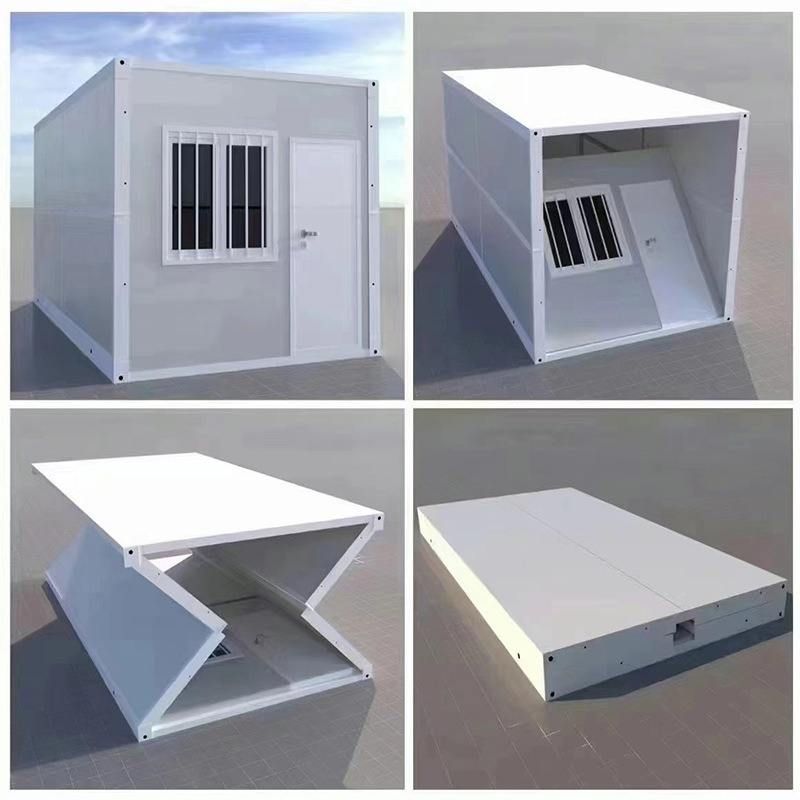
I. Spatial Layout and Functional Zoning Each unit consists of two independent spaces, with each space designed as a two-bedroom one-living room layout, accommodating up to three people. The entire house is decorated with wood, creating a warm living atmosphere. The functional zoning is clear:
- Bedrooms: Each bedroom is equipped with two single beds (195 cm long and 90 cm wide), with luggage storage space reserved under the beds. Extendable mattresses are provided for taller athletes. However, the aisle between the two beds in a double-bed room is only wide enough for one person to stand, making the space somewhat cramped.
- Bathroom Facilities: Each unit has one toilet, one bathroom, and a changing room to meet basic living needs.
- Common Area: The living room is relatively small but includes a refrigerator, a sink, and a washing machine for the convenience of athletes' daily use.
II. Spatial and Comfort Limitations
- Height and Sense of Crowding: The overall height of the container houses is relatively low. Combined with the narrow aisles in the bedrooms and the small gap between the two beds, living in them can easily create a sense of oppression, especially when multiple people are active, resulting in a poor spatial experience.
- Air Conditioning Configuration: Each unit is equipped with only one air conditioner. If the door is closed, the room may become stuffy due to insufficient air circulation. The organizing committee recommends that athletes open the door for ventilation and cooling before going to bed and then close it to rest, balancing temperature and privacy needs.
III. Design Adaptability The original design intention of these houses was to meet the short-term accommodation needs of athletes, so they focus more on functionality and cost-efficiency:
- Modular Advantages: The container structure facilitates quick assembly and disassembly, making it suitable for temporary use during the event.
- Basic Living Guarantee: Although the space is limited, basic living needs are met through reasonable planning, such as storage under the beds and integrated appliances.
- Adaptive Adjustments: Extendable mattresses are provided for athletes with different body types, demonstrating a certain degree of humanized consideration.
Summary: The container houses at the Nagoya Asian Games are practical-oriented, achieving rapid deployment and basic functional coverage through modular design. However, they have limitations in spatial comfort and require adjustments in usage habits (such as ventilation strategies) to optimize the experience. These facilities are more suitable for short-term, high-density accommodation scenarios, and further design improvements are needed for long-term living or scenarios with higher space requirements.



