
Container Toilet Mobile House
The container toilet mobile house is an application form of container houses, featuring quick installation, reliability, cost-effectiveness, and environmental friendliness. It can meet the sanitation facility needs in various scenarios.
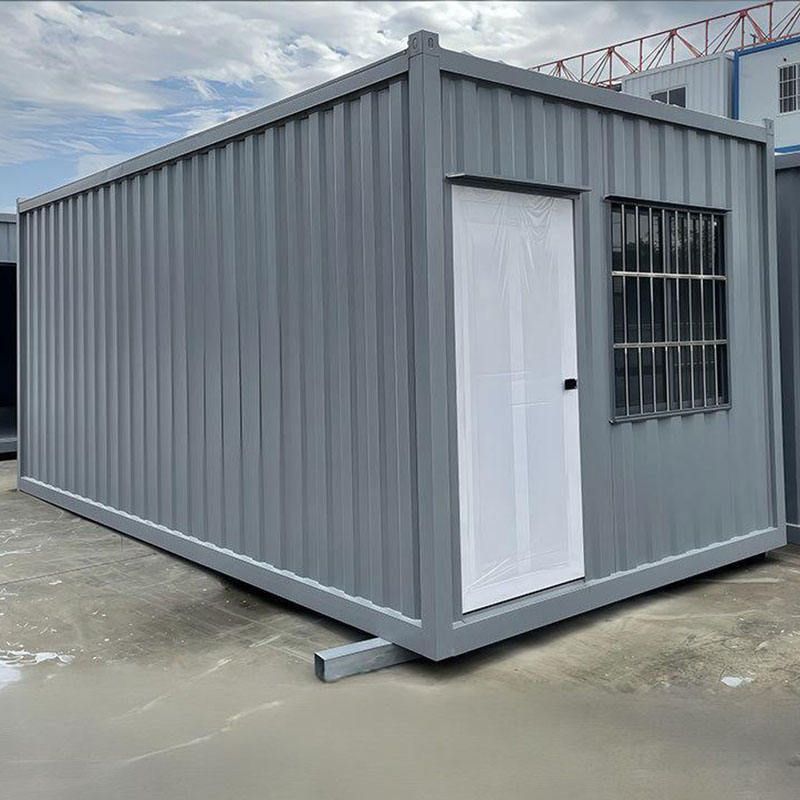
Structural and Material Characteristics
The container toilet mobile house is based on a standard container frame, with the main frame typically pressed from special-shaped steel plates to ensure structural stability and corrosion resistance. The side panels are filled with special soundproof and thermal insulation materials, which also provide fire resistance, along with waterproof, sealing, and easy-to-clean properties. For example, the products of Beijing Falilai Mobile Panel House Co., Ltd. achieve multiple effects of thermal insulation, sound insulation, and heat preservation through optimized material combinations, adapting to usage needs in different climatic environments.
Functional Expansion and Combination Flexibility
Based on the modular design of containers, such houses can be derived into various functional spaces, including conference rooms, dormitories, kitchens, and toilets. By splicing or stacking container units, temporary or permanent building complexes can be quickly constructed to meet concentrated needs in scenarios such as large-scale events, construction sites, and disaster areas. For example, the Nagoya Asian Games once used container houses as athlete accommodation facilities, where the toilet modules achieved rapid deployment through standardized design. However, attention must be paid to detail workmanship (such as waterproofing of sinks) to avoid issues like water leakage.
Application Scenarios and Advantages
- Temporary Needs: In scenarios such as construction sites, outdoor exhibitions, and emergency rescue, container toilet mobile houses can be quickly installed and put into use, shortening the construction period and reducing labor costs.
- Cost-Effectiveness: Compared to traditional brick-and-mortar structures, container houses have lower costs and can be reused, reducing resource waste.
- Environmental Friendliness: The materials have a high recycling rate, and the construction process generates no construction waste, aligning with the concept of green buildings.
- Adaptability: By adjusting the internal layout and equipment configuration (such as ventilation systems and sewage pipes), they can meet usage standards in different regions.
Potential Issues and Improvement Directions
Although container toilet mobile houses have significant advantages, attention must still be paid to detail workmanship in practical applications. For example, the water leakage issue from sinks in the Nagoya Asian Games case highlights the need to strengthen waterproof sealing design and optimize pipeline connection workmanship. Additionally, regular maintenance of structural stability is required for long-term use to avoid performance degradation due to environmental corrosion or frequent disassembly and assembly.



